홈MCP워크벤치Skills
홈워크벤치알림마이페이지
llms.txt · MCP 가이드개인정보처리방침 · 이용약관 · 지원v1.8.0
  1. 홈
  2. /화합물

다이-n-뷰틸아민

Dibutylamine

HCID 8148
새 노트새 반응견적 요청하기
인쇄 미리보기

데이터를 보충하는 중입니다. 잠시 후 페이지를 새로 고치면 최신 내용을 볼 수 있습니다

기본 정보개요이름 및 식별자물성안전 및 규제화학 및 산업관련 반응화합물 노트
부분 구조 검색유사 구조 찾기

기본 정보

CAS
111-92-2
표준 SMILES
CCCCNCCCC
InChIKey
JQVDAXLFBXTEQA-UHFFFAOYSA-N
분자식
C8H19N
평균 분자량
129.24 g/mol
단동위원소 질량
129.15174961

개요

Di-n-butylamine appears as a yellow-colored liquid with a amine-like odor. Denser than water. Very corrosive, may burn skin, eyes, and mucous membranes. Flash point 125 °F. Combustible. Produce toxic oxides of nitrogen when burned. Used to make other chemicals.

이름 및 식별자

우선 이름
Dibutylamine
IUPAC
N-butylbutan-1-amine
현지명
다이-n-뷰틸아민
영어명
Dibutylamine
분자식
C8H19N
분자량
129.24

이름 및 동의어

DIBUTYLAMINE111-92-2Di-n-butylamineN-Butyl-1-butanamine1-Butanamine, N-butyl-Dibutilaminan-DibutylamineAI3-15329AI3-52649DTXSID70249522194M2LA21DTXCID504952
이름 더 보기
다이-n-뷰틸아민다이-n-뷰틸아민(디-n-뷰틸아민)디-n-부틸아민디부틸아민다이뷰틸아민디부틸아민N-부틸-1-부탄아민디-N-부틸아민N,N-디부틸아민N-디부틸아민N-부틸부탄-1-아민다이-n-부틸아민다이부틸아민DNBAn,n-dibutylamineDibutylaminDibuthylamine(n-C4H9)2NH
RefChem:586542203-921-8N-butylbutan-1-amineDi-(n-butyl)amineDIBUTYL-AMINEdi-Normal-butylamineMFCD00009429UN2248

데이터베이스 식별자

CAS
111-92-2
PubChem CID
8148
DTXSID
DTXSID7024952
ChEMBL
CHEMBL3184528
UNII
2194M2LA21
EC Number
203-921-8
Nikkaji
J2.886J

물성

구조 계산 물성보충 중

XLogP
2.8
극성 표면적
12 Ų
수소 결합 공여자 수
1
수소 결합 수용자 수
1
회전 가능 결합 수
6
무거운 원자 수
9
형식 전하
0
복잡도
37.8

실험 및 물리화학적 성질

Chemical Classes · 2건

Nitrogen Compounds -> Amines, Aliphatic

Corrosives

SpringerMaterials Properties15N nuclear magnetic resonance spectrum
PesticidesEnvironmental transformation -> Pesticide transformation products (metabolite, successor)
LogP · 3건

log Kow= 2.83

2.83

2.68

OdorAMMONIA-LIKE ODOR
Density · 5건

0.759 at 68 °F (USCG, 1999) - Less dense than water; will float

0.7601 @ 20 °C/4 °C

Density (at 20 °C): 0.76 g/cm³

Relative density of the vapour/air-mixture at 20 °C (air = 1): 1.01

0.7613 @ 20°C

Color/Form · 2건

Liquid

Colorless

Solubility · 5건

Soluble (NTP, 1992)

Sol in alcohol

Very sol in ether and ethanol; sol in acetone

3500 mg/l in water @ 25 °C

Solubility in water, g/100ml: 0.35 (slightly soluble)

Flash Point

안전 및 규제

안전 정보는 참고용이며, 공급업체의 물질안전보건자료(SDS), 관련 법규 및 전문가 평가를 대체하지 않습니다.

GHS 분류

GHS Classification · 6건

Danger

H226: Flammable liquid and vapor [Warning Flammable liquids]

P210, P233, P240, P241, P242, P243, P260, P262, P264, P264+P265, P270, P271, P280, P284, P301+P316, P301+P330+P331, P302+P352, P302+P361+P354, P303+P361+P353, P304+P340, P305+P354+P338, P316, P317, P320, P321, P330, P361+P364, P363, P370+P378, P403+P233, P403+P235, P405, and P501 (click each P-code to see the statement)

Danger

H226 (100%): Flammable liquid and vapor [Warning Flammable liquids]

P210, P233, P240, P241, P242, P243, P260, P261, P262, P264, P264+P265, P270, P271, P280, P284, P301+P316, P301+P317, P301+P330+P331, P302+P352, P302+P361+P354, P303+P361+P353, P304+P340, P305+P354+P338, P316, P317, P320, P321, P330, P361+P364, P362+P364, P363, P370+P378, P403+P233, P403+P235, P405, and P501 (click each P-code to see the statement)

유해성 정보

Regulatory Information · 5건

Chemical: 1-Butanamine, N-butyl-

1-Butanamine, N-butyl- is listed on the EPA's Chemical Data Reporting (CDR) system. Manufacturers and importers of 1-Butanamine, N-butyl- are required to report information about their production and use of this chemical to the EPA under the Toxic Substances Control Act (TSCA). (40 eCFR Part 711)

Status: Active Update: 01-07-2021 https://echa.europa.eu/registration-dossier/-/registered-dossier/13527

1-Butanamine, N-butyl-: Does not have an individual approval but may be used under an appropriate group standard

The New Jersey Worker and Community Right to Know Act requires public and private employers to provide information about hazardous substances at their workplaces. (N.J.S.A. 34:5A-1 et. seq.)

DOT LabelCorrosive Flammable Liquid
Fire Hazards · 3건

Special Hazards of Combustion Products: Toxic oxides of nitrogen may form in fires. (USCG, 1999)

· Flammable/combustible material.

Flammable. Gives off irritating or toxic fumes (or gases) in a fire. Above 47 °C explosive vapour/air mixtures may be formed. Risk of fire and explosion on contact with strong acids or strong oxidizing agents.

화학 및 산업

약리 정보

Absorption, Distribution and ExcretionAMINES ARE WELL ABSORBED FROM GUT & RESPIRATORY TRACT. /ALIPHATIC AMINES/

용도 및 제조

Uses · 2건

Used as a corrosion inhibitor and chemical intermediate; [HSDB]

Corrosion inhibitor; intermediate for emulsifiers, rubber accelerators, dyes, insecticides, flotation agent, inhibitor for butadiene

U.S. Exports(1972) 1.87X10+9 GRAMS (INCL OTHER ALKYLAMINES)
U.S. Imports(1972) 3.7X10+8 GRAMS (INCL OTHER ALKYLAMINES)
U.S. Production · 5건

2023: 10,000,000 - <50,000,000 lb

(1972) 1.7X10+9 GRAMS

(1975) PROBABLY GREATER THAN 9.08X10+5 GRAMS

(1981) 6,279X10+3 lb

(1985) 4,141X10+3 lb

Consumer UsesAnti-adhesive/cohesive
Industry UsesChemical reaction regulator
Methods of Manufacturing · 2건

By reaction of butanol or butyl chloride with ammonia

From butyl bromide & ammonia with separation of the mono-, di-, & tributylamines formed.

Formulations/PreparationsGrade: technical
Household ProductsInformation on 1 consumer products that contain Dibutylamine in the following categories is provided:
Use ClassificationEnvironmental transformation -> Pesticide transformation products (metabolite, successor)

관련 반응

347건
반응 기록 만들기
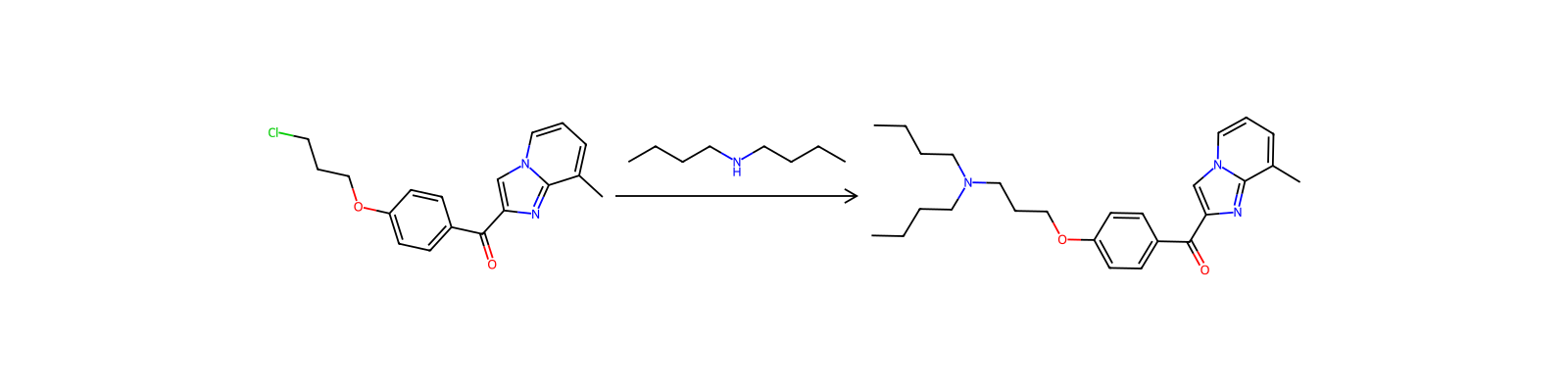
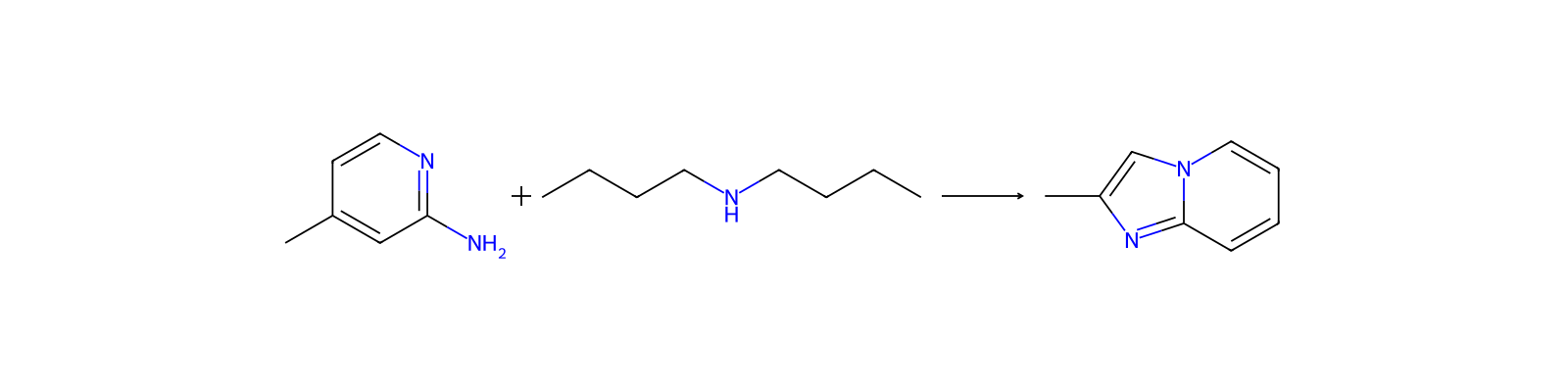
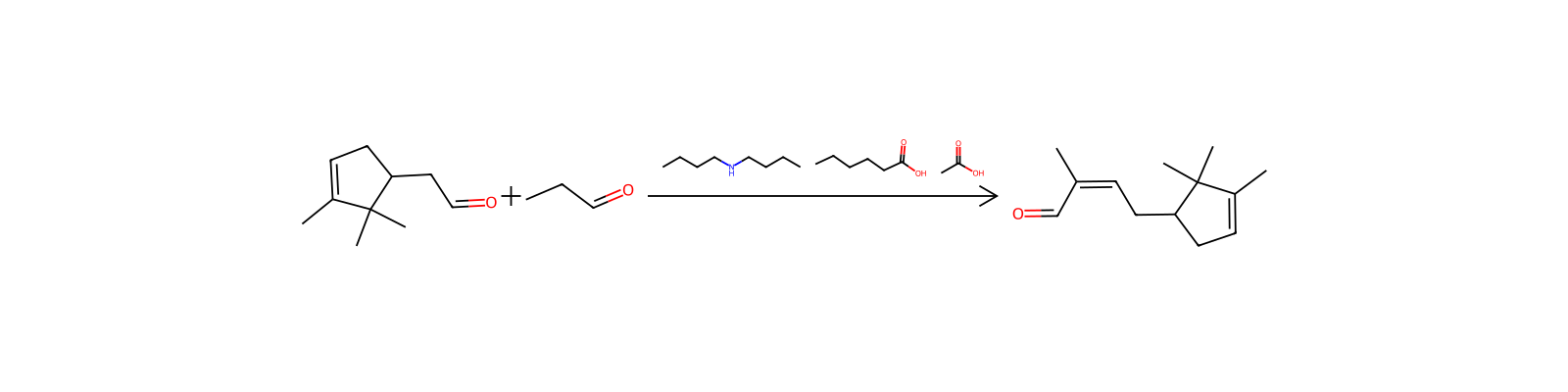
HRID 4727 반응식
HRID 4727용매로uspto-grants-1988_02
HRID 4728 반응식
HRID 4728반응물로uspto-grants-1988_02
HRID 4729 반응식
HRID 4729용매로uspto-grants-1988_02
HRID 4730 반응식
HRID 4730반응물로uspto-grants-1988_02
HRID 14368 반응식
HRID 14368반응물로uspto-grants-2010_06
HRID 15620 반응식
HRID 15620촉매로uspto-grants-2010_06
HRID 15621 반응식
HRID 15621반응물로uspto-grants-2010_06
HRID 15622 반응식
HRID 15622반응물로uspto-grants-2010_06
1 / 44 페이지

화합물 노트

불러오는 중…

이 페이지에서기본 정보개요이름 및 식별자물성안전 및 규제화학 및 산업관련 반응화합물 노트
더보기
새 노트새 반응견적 요청하기
· 5건

125 °F (NTP, 1992)

57 °C

57 °C (open cup)

51.6 °C (open cup)

47 °C

Boiling Point · 4건

318 to 320 °F at 760 mmHg (NTP, 1992)

159-160 °C

159 °C

159.6 °C @760 [mm Hg]

Decomposition · 2건

When heated to decomp it emits toxic fumes of /nitrogen oxides/.

Products of decomposition include carbon monoxide, carbon dioxide, hydrocarbons, & oxides of nitrogen as well as amine vapors.

Melting Point · 4건

-76 to -74 °F (NTP, 1992)

-60 to -59 °C

-59 °C

-61.9 °C

물리화학적 성질

녹는점
62 °C · −62 °C(lit.)
끓는 점
159 °C · 159 °C(lit.)
밀도
0.767 g/mL · 0.767 g/mL at 25 °C(lit.)
증기 밀도
4.46 · 4.46 (vs air)
증기압
1.9 mm · 1.9 mm Hg ( 20 °C)
굴절률
20 · n20/D 1.417(lit.)
인화점
106 °F · 106 °F
저장 조건
30 °C · Store below +30°C.
용해도
20 °C에서 · 물: 20°C에서 용해성3.8g/L
산도 계수 (pKa)
11.25 · 11.25(at 21℃)
물리적 상태
액체
색상
하얀색
수소이온지수(pH)
11.1 · 11.1 (1g/l, H2O, 20℃)
냄새
약한 암모니아.
폭발한계
0.6 · 0.6-6.8%(V)
수용성
4.05 g/L · 4.05g/L(25℃)
비열
2.27 J/ · Cp(liquid): 2.27 J/(g·K), at 25℃
Merck
14 · 14,3032
BRN
506001 · 506001
Henry's Law Constant
1.3 · 1.3×10-1 mol/(m3Pa) at 25℃, Brockbank (2013)
Dielectric constant
3 · 3.0(20℃)
안정성
안정적인. 타기 쉬운. 강한 산화제, 대부분의 일반적인 금속, 강산과 호환되지 않습니다. 증기는 표면 위로 흘러 먼 발화원까지 흘러갈 수 있습니다. 공기와 폭발성 혼합물을 형성할 수 있음.
InChI
1S/C8H19N/c1-3-5-7-9-8-6-4-2/h9H,3-8H2,1-2H3
InChIKey
JQVDAXLFBXTEQA-UHFFFAOYSA-N
SMILES
CCCCNCCCC
LogP
2.1 at · 2.1 at 23℃
NIST
1 · 1-Butanamine, N-butyl-(111-92-2)
EPA
Dibutylamine (111-92-2)

화학적 성질

Dibutylamine is a colorless liquid with an odor of ammonia.

Fire PotentialFLAMMABLE LIQUID WHEN EXPOSED TO HEAT OR FLAME ... .
Health Hazards · 2건

Inhalation causes irritation of nose, throat, and lungs; coughing; nausea; headache. Ingestion causes irritation of mouth and stomach. Contact with eyes causes irritation. Contact with skin causes irritation and dermatitis. (USCG, 1999)

· May cause toxic effects if inhaled or ingested.

Hazards SummaryCorrosive to skin; [Quick CPC] Causes severe burns to the eyes and skin; High inhalation exposure can cause pulmonary edema; [HSDB] A corrosive substance that can cause pulmonary edema; [ICSC]
DOT ID and Guide2248 132
Reactive GroupAmines, Phosphines, and Pyridines
UN ClassificationUN Hazard Class: 8; UN Subsidiary Risks: 3; UN Pack Group: II
TSCA Requirements · 1건

Pursuant to section 8(d) of TSCA, EPA promulgated a model Health and Safety Data Reporting Rule. The section 8(d) model rule requires manufacturers, importers, and processors of listed chemical substances and mixtures to submit to EPA copies and lists of unpublished health and safety studies. Dibutylamine is included on this list.

Reactivity Profile · 1건

DI-N-BUTYLAMINE neutralizes acids in exothermic reactions to form salts plus water. May be incompatible with isocyanates, halogenated organics, peroxides, phenols (acidic), epoxides, anhydrides, and acid halides. Flammable gaseous hydrogen may be generated in combination with strong reducing agents, such as hydrides.

Chemical Dangers · 1건

Decomposes on burning. This produces toxic fumes including nitrogen oxides. The substance is a strong base. Reacts violently with strong oxidants. This generates fire and explosion hazard. Attacks some metals and some plastics. Solutions in water slowly etch glass.

안전 및 보호

Fire Fighting · 2건

Excerpt from ERG Guide 132 [Flammable Liquids - Corrosive]:

Use alcohol-resistant foam, water, powder, carbon dioxide. In case of fire: keep drums, etc., cool by spraying with water.

First Aid Measures · 4건

Fresh air, rest. Half-upright position. Artificial respiration may be needed. Refer immediately for medical attention.

Wear protective gloves when administering first aid. Remove contaminated clothes. Rinse skin with plenty of water or shower for at least 15 minutes. Refer immediately for medical attention .

Rinse with plenty of water for several minutes (remove contact lenses if easily possible). Refer immediately for medical attention.

Rinse mouth. Give nothing to drink. Do NOT induce vomiting. Refer immediately for medical attention.

Accidental Release Measures · 2건

· CALL 911. Then call emergency response telephone number on shipping paper. If shipping paper not available or no answer, refer to appropriate telephone number listed on the inside back cover.

· ELIMINATE all ignition sources (no smoking, flares, sparks or flames) from immediate area.

First Aid · 2건

EYES: First check the victim for contact lenses and remove if present. Flush victim's eyes with water or normal saline solution for 20 to 30 minutes while simultaneously calling a hospital or poison control center. Do not put any ointments, oils, or medication in the victim's eyes without specific instructions from a physician. IMMEDIATELY transport the victim after flushing eyes to a hospital even if no symptoms (such as redness or irritation) develop.

General First Aid:

Safe StorageFireproof. Store only in original container. Separated from strong oxidants, strong acids and food and feedstuffs. Store in an area without drain or sewer access. Provision to contain effluent from fire extinguishing.
Exposure Control and Personal Protection · 2건

· Wear positive pressure self-contained breathing apparatus (SCBA).

173.0 [ppm]

Fire Fighting Procedures · 2건

Use water spray, dry chemical, foam, or carbon dioxide. Use water spray to keep fire-exposed containers cool.

USE WATER SPRAY, DRY CHEM, "ALCOHOL" FOAM, OR CARBON DIOXIDE. USE WATER SPRAY TO KEEP FIRE-EXPOSED CONTAINERS COOL. IF LEAK OR SPILL HAS NOT IGNITED, USE WATER SPRAY TO DISPERSE VAPORS & TO PROTECT MEN ATTEMPTING TO STOP LEAK. WATER SPRAY MAY BE USED TO FLUSH SPILLS AWAY FROM EXPOSURES.

Storage ConditionsSeparate from oxidizing materials, acids, and sources of halogens. Store in a cool, dry, well-ventilated location. Outside or detached storage is peferred.
Nonfire Spill ResponseExcerpt from ERG Guide 132 [Flammable Liquids - Corrosive]:
Disposal Methods · 1건

SRP: At the time of review, criteria for land treatment or burial (sanitary landfill) disposal practices are subject to significant revision. Prior to implementing land disposal of waste residue (including waste sludge), consult with environmental regulatory agencies for guidance on acceptable disposal practices.

Spillage Disposal · 1건

Remove all ignition sources. Personal protection: complete protective clothing including self-contained breathing apparatus. Do NOT let this chemical enter the environment. Cover the spilled material with inert absorbent or sand. Then store and dispose of according to local regulations. Wash away remainder with plenty of water.

Preventive Measures · 2건

SRP: Local exhaust ventilation should be applied wherever there is an incidence of point source emissions or dispersion of regulated contaminants in the work area. Ventilation control of the contaminant as close to its point of generation is both the most economical and safest method to minimize personnel exposure to airborne contaminants.

SRP: The scientific literature for the use of contact lenses in industry is conflicting. The benefit or detrimental effects of wearing contact lenses depend not only upon the substance, but also on factors including the form of the substance, characteristics and duration of the exposure, the uses of other eye protection equipment, and the hygiene of the lenses. However, there may be individual substances whose irritating or corrosive properties are such that the wearing of contact lenses would be harmful to the eye. In those specific cases, contact lenses should not be worn. In any event, the usual eye protection equipment should be worn even when contact lenses are in place.

독성 정보

Body BurdenDibutylamine was found in the expired air of 6.5% of a sample of 54 carefully selected normal, healthy, nonsmoking adults who resided in urban areas(1). The geometric mean concn level was 0.218 ng/l(1).
Interactions · 1건

Nitrite ... is used as a food additive in meats and smoked fish. Some fish, vegetables, and fruit juices contain secondary amines. The acidic environment of the stomach facilitates a chemical reaction between nitrite and secondary amines, leading to the formation of carcinogenic nitrosamines. /Secondary amines/

Environmental Fate · 3건

TERRESTRIAL FATE: Based on a classification scheme(1), an estimated Koc value of 825(SRC) for the unprotonated form from a log Kow of 2.83(2) and a regression derived equation(3) indicates that dibutylamine is expected to have low mobility in soil(SRC). A pKa value of 11.39(4) indicates that the protonated form of dibutylamine will be the dominant species in moist soil surfaces and cations generally adsorb strongly to soils. Volatilization of dibutylamine from moist soil surfaces is not expected to be an important fate process since the cation is not expected to volatilize. The potential for volatilization of dibutylamine from dry soil surfaces may exist(SRC) based upon a vapor pressure of 2.59 mm Hg at 25 °C(5). 94-97% of the theoretical BOD was achieved for dibutylamine using an activated sludge inoculum during a 4 week incubation period(6).

AQUATIC FATE: Based on a classification scheme(1), an estimated Koc value of 825(SRC) from a log Kow of 2.83(2) and a regression derived equation(3) indicates that dibutylamine is expected to adsorb to suspended solids and sediment in water(SRC). A pKa value of 11.39(4) indicates that the protonated form of dibutylamine will be the predominant species in water. Volatilization from water surfaces is not expected to be important fate process(SRC) since the protonated form will not volatilize at environmental pH. According to a classification scheme(5), an estimated BCF of 30(SRC), from its log Kow(2) and a regression-derived equation(6), suggests the potential for bioconcentration in aquatic organisms is moderate(SRC). In a screening study, dibutylamine completely degraded within 14 days at 10 ppm with both an activated sludge and freshwater sediment inoculum(7).

ATMOSPHERIC FATE: According to a model of gas/particle partitioning of semivolatile organic compounds in the atmosphere(1), dibutylamine, which has a vapor pressure of 2.59 mm Hg at 25 °C(2), is expected to exist solely as a vapor in the ambient atmosphere. Vapor-phase dibutylamine is degraded in the atmosphere by reaction with photochemically-produced hydroxyl radicals(SRC); the half-life for this reaction in air is estimated to be 4 hours(SRC), from its rate constant of 8.98X10⁻¹¹ cu cm/molecule-sec at 25 °C(3). Dibutylamine is not expected to directly photolyze due to the lack of absorption in the environmental UV spectrum(SRC).

Food Survey Values · 2건

... Amines from decomposing fish have been suspected as a cause of keratitis. ... /Amines/

Dibutylamine was detected in pepperoni at a concn of 3.4 ppm(1). An average dibutylamine concn of 10 ppb was found in 3 samples of cod roe; however, it was not detected in samples of fish sausage, baked ham, spinach, or miso(2).

Adverse EffectsDermatotoxin - Skin burns.
Exposure RoutesSerious local effects by all routes of exposure.
Signs and Symptoms · 4건

Cough. Sore throat. Burning sensation. Shortness of breath. Laboured breathing.

Redness. Pain. Serious skin burns.

Redness. Pain. Blurred vision. Severe burns.

Burns in mouth and throat. Burning sensation behind the breastbone. Abdominal pain. Vomiting. Shock or collapse.

Effluent Concentrations · 1건

In a comprehensive survey of wastewater from 4000 industrial and publicly owned treatment works (POTWs) sponsored by the Effluent Guidelines Division of the U.S. EPA, dibutylamine was identified in discharges of the following industrial category (frequency of occurrence, median concn in ppb): iron and steel mfg (4; 170.4), plastics and synthetics (1; 89.1), electronics (1; 6723.3)(1). Dibutylamine was reported to be released from effluent of sewage treatment plants(2).

ICSC Environmental DataThe substance is toxic to aquatic organisms.
Soil Adsorption/Mobility · 1건

The Koc of dibutylamine was estimated as 825(SRC), using a log Kow of 2.83(1) and a regression-derived equation(2). According to a classification scheme(3), this estimated Koc value suggests that dibutylamine is expected to have low mobility in soil(SRC). The pKa of dibutylamine is 11.73(4), indicating that the protonated form will be the predominant species in moist soils and cations are expected to adsorb strongly to soil surfaces.

TSCA Test Submissions · 4건

Acute inhalation toxicity was evaluated in groups of 5 male and 5 female Sprague-Dawley albino rats exposed to dibutylamine at actual concentrations of 0.76, 1.08, 1.18, 1.39 or 3.91 mg/l of air for 4 hours. Mortality was observed in 2 animals in the 0.76 mg/l dose group, 4 in the 1.18 mg/l dose group, and all 10 in both the 1.39 and 3.91 mg/l dose groups. The LC50 value was calculated to be 1.15 mg/l (standard error of 0.095 mg/l) by the log probit method of Miller and Tainter. Clinical observations included excessive salivation, lacrimation, gasping, convulsions, abnormal breathing, ataxia, lethargy, rales, and staining of the urogenital area. Gross necropsy revealed lung congestion in decedents.

The inhibition of nonspecific esterase activity, and/or inhibition of aromatic amino acid esterase activity, and/or potential effects on specific cellular functions (phagocytosis, immunoglobin G synthesis, and inflammatory and immune mediator release) were evaluated with organic chemicals added to human peripheral blood monocytes. Di-n-butylamine stimulated monocyte alpha- naphthyl acetate esterase activity by 104% at a concentration of 1 mM, and 116% at 0.25 mM and stimulated monocyte aromatic amino acid esterase activity by 103% at 250 uM. Only the low-dose value for alpha-naphthyl acetate esterase stimulation was considered to be statistically significant.

The dermal sensitization potential of di-n-butylamine (CAS # 111-92-2) was evaluated in 10 CF1(BR) mice inducted with 3 daily 0.1 ml topical applications of a 0.1% (v/v in ethanol) test solution to clipped abdomens. A group of 10 mice likewise inducted over 3 days with 0.1 ml dermal applications of 0.5% (w/v) DNCB served as the positive control. Challenge and rechallenge were administered 7 and 14 days later in .01 ml dermal applications of a 25% (v/v) solution to both dorsal and ventral surfaces of the left and right ears respectively of inducted test mice. The thickness of treated left ears relative to that of solvent control (ethanol) right ears indicated the degree of sensitization. One animal challenged with di-n-butylamine exhibited a positive sensitization response (20% increase in ear thickness over control) at 48-hour evaluation only. None of either test or irritation control groups had responded to challenge by the 24-hour evaluation and none responded to rechallenge. Conversely, 60% and 50% positive response in the DCNB-inducted and challenged groups at 24-hour and 48-hour evaluations, respectively, confirmed the validity of the test system.

The clastogenic potential of di-n-butylamine (CAS # 111-92-2) was evaluated by incidence of micronucleated polychromatic erythrocytes in bone marrow of Harlan Sprague-Dawley ICR mice (20/sex/group) administered single oral gavage doses at 55, 110, or 220 mg/kg bodyweight. Mortality occurred among high-dose males (3/20) and females (1/20), and lethargy was observed in both males and females of all treatment groups. While treated mice exhibited slight reductions in polychromatic erythrocytes to erythrocyte ratios (up to 19%) relative to vehicle control (corn oil) animals, there was no significant increase in micronucleated polychromatic erythrocytes at 24, 48 or 72-hour post-treatment examination in either male or female treated mice when compared to controls.

Natural Pollution Sources · 1건

There is some indication that dibutylamine may occur naturally in some soils(1) and food items(2). Amines are produced by microbial processes in decaying organic matter and dibutylamine's emission from sewage treatment plants(3) suggests that it may also be a product of microbial metabolism(SRC).

규제 정보

TSCA Requirements · 1건

Pursuant to section 8(d) of TSCA, EPA promulgated a model Health and Safety Data Reporting Rule. The section 8(d) model rule requires manufacturers, importers, and processors of listed chemical substances and mixtures to submit to EPA copies and lists of unpublished health and safety studies. Dibutylamine is included on this list.

안전 데이터

wgk
1
tsca
TSCA listed
rtecs
HR7780000
ridadr
UN 2248
독성
LD50 orally in rats: 550 mg/kg (Smyth)
HS 번호
2921 19 99
risk_code
10-20/21/22-35-23-21/22
hazard_code
Xn,T
safety_code
45-36/37/39-28A-26-23
포장분류
II
위험 등급
8
기존화학 물질
KE-04223
F 고인화성물질
10
자연 발화 온도
594 °F
Hazard Classifications
Acute Tox. 2 InhalationAcute Tox. 3 DermalAcute Tox. 4 OralEye Dam. 1Flam. Liq. 3Skin Corr. 1A
스토리지 클래스
3 - Flammable liquids
유해 물질 데이터
111-92-2(Hazardous Substances Data)
함량 및 규제정보
물질구분: 유독물질; 혼합물(제품)함량정보: 디-n-부틸아민 및 이를 25% 이상 함유한 혼합물
유해화학물질 필터링
97-1-21
General Manufacturing Information · 2건

All Other Basic Organic Chemical Manufacturing

1-Butanamine, N-butyl-: ACTIVE

응용 분야 · 2건

용도Dibutylamine is a secondary dialkylamine. It is a versatile intermediate with a variety of applications.Dibutylamine is extensively used in palladium-catalyzed cross-coupling with aryl halides to synthesize arylamines, popularly known as Buchwald–Hartwig amination.It can be used in the oxone-mediated annulation of 2-aminobenzamides and 1,2-diaminobenzenes to synthesize 2,3-dihydroquinazolin-4(1H)-ones and 1H-benzimidazoles, respectively.It can also be used in the one-pot multicomponent reactions to synthesize tetra- and penta-substituted polyfunctional dihydropyrroles.Dibutylamine was employed as organocatalyst during the synthesis of 2-amino-3-cyano-4H-chromen-4-ylphosphonates via Knoevenagel, Pinner and phospha-Michael reactions. Di-n-butylamine (Dibutylamine) may be used to investigate the performance of a dry sampler, with an impregnated denuder in series with a glass fibre filter for airborne isocyanates. It was used in the preparation of 1M dibutylammonium phosphate buffer.

일반 설명Dibutylamine appears as a yellow-colored liquid with a amine-like odor. Denser than water. Very corrosive, may burn skin, eyes, and mucous membranes. Flash point 125 °F. Combustible. Produce toxic oxides of nitrogen when burned. Used to make other chemicals.

제조 방법 · 1건

생산 방법n-Dibutylamine is prepared by two major methods. The first involves passing ammonia and butanol over an alumina or silica catalyst at a temperature of 300-500°C and under pressure. The second method employs passing ammonia, butanol, and hydrogen over a dehydrogenation catalyst. In each instance the resulting mixtures are separated by continuous distillation and extraction (Schweizer et al 1978). n-Dibutylamine can also be prepared from butyl bromide and ammonia or by reaction of butyl chloride and ammonia (HSDB 1989). The amine also is naturally present in food (Neurath et al 1977) and its emissions are produced in soil and sewage. The amine is also found in the expired air of normal, healthy, nonsmoking adults (Krotoszynski et al 1979). N-Nitrosamines and their precursors including n-dibutylamine are present in rubber products in which the accelerators and stabilizers used in the vulcanization process were derived from dialkylamines. Analysis of a single extraction of rubber nipples and baby pacifiers with artificial saliva (containing sodium nitrite) showed n-dibutylamine levels up to 3890 p.p.b. and N-nitrosodibutylamine concentrations as high as 427 p.p.b. (Thompson et al 1984).

상·하류 제품 정보

상류 원료

Bentonite,calcium base석회질소발레로니트릴p-클로로벤즈알데히드브롬화부틸트리부틸아민모노부틸아민Flow Celln-부탄올암모니아(가스)

하류 제품

2-에틸아크릴알데히드N,N-DI-N-부틸아세트아미드6-bromo-3,4-dihydro-3-nitro-2H-chromene카보설판디부틸디티오카바민산 니켈트리부틸아민Bis(dibutylamino)disulfide다이뷰틸아미노에탄올모노부틸아민아연 디뷰틸이황화 카르보밀산2-(Methoxymethyl)-2-propenal3-(디부틸아미노)프로필아민N,N-dibutyl-2-chloro-AcetamideN,N-DI-N-부틸에틸렌디아민메틸포스폰산디부틸우레아N,N-디부틸-1,3-프로판디아민