트리메칠시아나이드
Trimethylsilyl cyanide
데이터를 보충하는 중입니다. 잠시 후 페이지를 새로 고치면 최신 내용을 볼 수 있습니다

기본 정보
- CAS
7677-24-9- 표준 SMILES
C[Si](C)(C)C#N- InChIKey
LEIMLDGFXIOXMT-UHFFFAOYSA-N- 분자식
- C4H9NSi
- 평균 분자량
- 99.21 g/mol
- 단동위원소 질량
- 99.05042582
개요
Trimethylsilyl cyanide is a chemical compound of cyanide. It is used in organic synthesis. (L106)
이름 및 식별자
- 우선 이름
- Trimethylsilyl cyanide
- IUPAC
- trimethylsilylformonitrile
- 현지명
- 트리메칠시아나이드
- 영어명
- Trimethylsilyl cyanide
- 분자식
- C4H9NSi
- 분자량
- 99.21
이름 및 동의어
Trimethylsilyl cyanide7677-24-9TrimethylsilanecarbonitrileSilanecarbonitrile, trimethyl-TrimethylsilylnitrileTMSCNTrimethylsilylcarbonitrileDTXSID9064766RefChem:899908DTXCID4047915231-657-3Cyanotrimethylsilane
이름 더 보기
트라이메틸실릴사이아나이드트리메칠시아나이드트라이메틸실릴 사이아나이드trimethylsilylmethanenitrileDK897TrimethylsilanecarTrimethyl cyanogen
TrimethylsilylcyanidetrimethylsilylformonitriletrimethylcyanosilaneC4H9NSiMFCD00001765trimethylsilane carbonitrileTrimethylsilylCyanide-13C,15NTMS cyanide
데이터베이스 식별자
- CAS
7677-24-9- PubChem CID
- 82115
- DTXSID
DTXSID9064766- UNII
- X7M2DZS7WZ
- EC Number
- 231-657-3
- Nikkaji
- J81.438E
물성
구조 계산 물성보충 중
- 극성 표면적
- 23.8 Ų
- 수소 결합 공여자 수
- 0
- 수소 결합 수용자 수
- 1
- 회전 가능 결합 수
- 0
- 무거운 원자 수
- 6
- 형식 전하
- 0
- 복잡도
- 81.5
실험 및 물리화학적 성질
Chemical ClassesNitrogen Compounds -> Nitriles
SpringerMaterials Properties29Si nuclear magnetic resonance spectrum
Physical DescriptionColorless liquid; mp = 11-12 deg C; [MSDSonline]
물리화학적 성질
- 녹는점
- 8 to · 8 to 11 °C (46 to 52 °F; 281 to 284 K)
- 끓는 점
- 114 to · 114 to 117 °C (237 to 243 °F; 387 to 390 K)
- 밀도
- 0.793 g/mL · 0.793 g/mL at 20 °C
- 굴절률
- 1.392 · 1.392
- 인화점
- 1 °C · 1 °C (34 °F; 274 K)
- 저장 조건
- 2 · Inert atmosphere,2-8°C
- 용해도
- 유기용매와 섞일 수 있음.
- 물리적 상태
- liquid
- 색상
- Colorless
- Specific Gravity
- 0.744 · 0.744
- 수용성
- 물과 반응
- BRN
- 1737612 · 1737612
- 안정성
- 수분에 민감한
- InChIKey
- LEIMLDGFXIOXMT-UHFFFAOYSA-N
- EPA
- Silanecarbonitrile, trimethyl- (7677-24-9)
화학적 성질
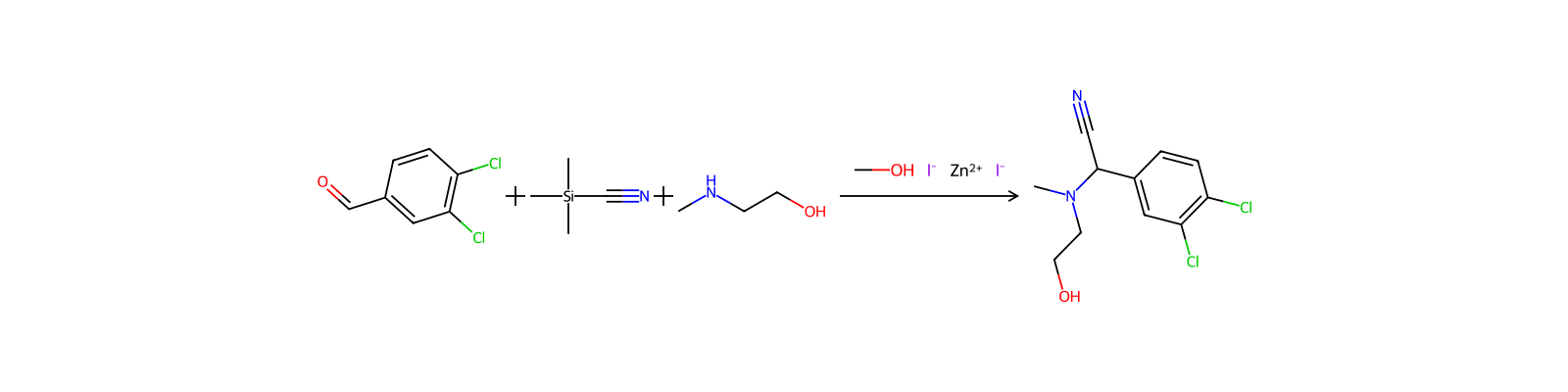
Trimethylsilyl cyanide (TMSCN) is a commercial reagent used as cyanide source for nucleophilic reactions. It is a clear colorless to yellow liquid, moisture sensitive, with a boiling point of 114–117 °C, which was first synthetized by the reaction of trimethylsilicon halides TMSX and AgCN in 1952.TMSCN is a versatile reagent that can be used in several different reactions, but it is generally used in nucleophilic additions to aldehydes, ketones and imines to form cyanohydrin silyl ethers (Scheme 1a) and α-aminonitriles in Strecker-type reactions (Scheme 1b).Reactions of Trimethylsilyl Cyanide
안전 및 규제
안전 정보는 참고용이며, 공급업체의 물질안전보건자료(SDS), 관련 법규 및 전문가 평가를 대체하지 않습니다.
GHS 분류
GHS Classification
Danger
H225 (100%): Highly Flammable liquid and vapor [Danger Flammable liquids]
P210, P233, P240, P241, P242, P243, P260, P262, P264, P270, P271, P273, P280, P284, P301+P316, P302+P352, P303+P361+P353, P304+P340, P316, P320, P321, P330, P361+P364, P370+P378, P391, P403+P233, P403+P235, P405, and P501 (click each P-code to see the statement)
Aggregated GHS information provided per 82 reports by companies from 8 notifications to the ECHA C&L Inventory. Each notification may be associated with multiple companies.
유해성 정보
Regulatory Information
Chemical: Silanecarbonitrile, trimethyl-
Status: Active Update: 25-10-2022 https://echa.europa.eu/registration-dossier/-/registered-dossier/34122
Trimethylsilyl cyanide: HSNO Approval: HSR004750 Approved with controls
Hazards SummaryReacts violently with water; Highly toxic by inhalation, skin absorption, and ingestion; An irritant; [MSDSonline] See NITRILES.
Hazard Classes and CategoriesFlam. Liq. 2 (100%)
독성 정보
Treatment
Antidotes to cyanide poisoning include hydroxocobalamin and sodium nitrite, which release the cyanide from the cytochrome system, and rhodanase, which is an enzyme occurring naturally in mammals that combines serum cyanide with thiosulfate, producing comparatively harmless thiocyanate. Oxygen therapy can also be administered. (L97)
Health Effects
Exposure to high levels of cyanide for a short time harms the brain and heart and can even cause coma, seizures, apnea, cardiac arrest and death. Chronic inhalation of cyanide causes breathing difficulties, chest pain, vomiting, blood changes, headaches, and enlargement of the thyroid gland. Skin contact with cyanide salts can irritate and produce sores. (L96, L97)
Adverse EffectsOther Poison - Chemical Asphyxiant
Exposure RoutesInhalation (L96) ; oral (L96) ; dermal (L96)
Toxicity Summary
Organic nitriles decompose into cyanide ions both in vivo and in vitro. Consequently the primary mechanism of toxicity for organic nitriles is their production of toxic cyanide ions or hydrogen cyanide. Cyanide is an inhibitor of cytochrome c oxidase in the fourth complex of the electron transport chain (found in the membrane of the mitochondria of eukaryotic cells). It complexes with the ferric iron atom in this enzyme. The binding of cyanide to this cytochrome prevents transport of electrons from cytochrome c oxidase to oxygen. As a result, the electron transport chain is disrupted and the cell can no longer aerobically produce ATP for energy. Tissues that mainly depend on aerobic respiration, such as the central nervous system and the heart, are particularly affected. Cyanide is also known produce some of its toxic effects by binding to catalase, glutathione peroxidase, methemoglobin, hydroxocobalamin, phosphatase, tyrosinase, ascorbic acid oxidase, xanthine oxidase, succinic dehydrogenase, and Cu/Zn superoxide dismutase. Cyanide binds to the ferric ion of methemoglobin to form inactive cyanmethemoglobin. (L97)
Signs and SymptomsCyanide poisoning is identified by rapid, deep breathing and shortness of breath, general weakness, giddiness, headaches, vertigo, confusion, convulsions/seizures and eventually loss of consciousness. (L96, L97)
Carcinogen ClassificationNo indication of carcinogenicity to humans (not listed by IARC).
안전 데이터
- wgk
- 3
- tsca
- TSCA listed
- ridadr
- UN 3384 6.1/PG 1
- HS 번호
- 2931900090
- risk_code
- 11-26/27/28-29-50/53
- hazard_code
- F,T+,T,N
- safety_code
- 16-36/37/39-45-61-28A-26
- 포장분류
- II
- 위험 등급
- 6.1
- F 고인화성물질
- 10-21
- 위험 참고 사항
- Highly Flammable/Toxic
화학 및 산업
약리 정보
Metabolism/Metabolites
Organic nitriles are converted into cyanide ions through the action of cytochrome P450 enzymes in the liver. Cyanide is rapidly absorbed and distributed throughout the body. Cyanide is mainly metabolized into thiocyanate by either rhodanese or 3-mercaptopyruvate sulfur transferase. Cyanide metabolites are excreted in the urine. (L96)
용도 및 제조
UsesTrimethylsilyl cyanide is used in organic synthesis. (L106)
General Manufacturing InformationSilanecarbonitrile, trimethyl-: ACTIVE
응용 분야
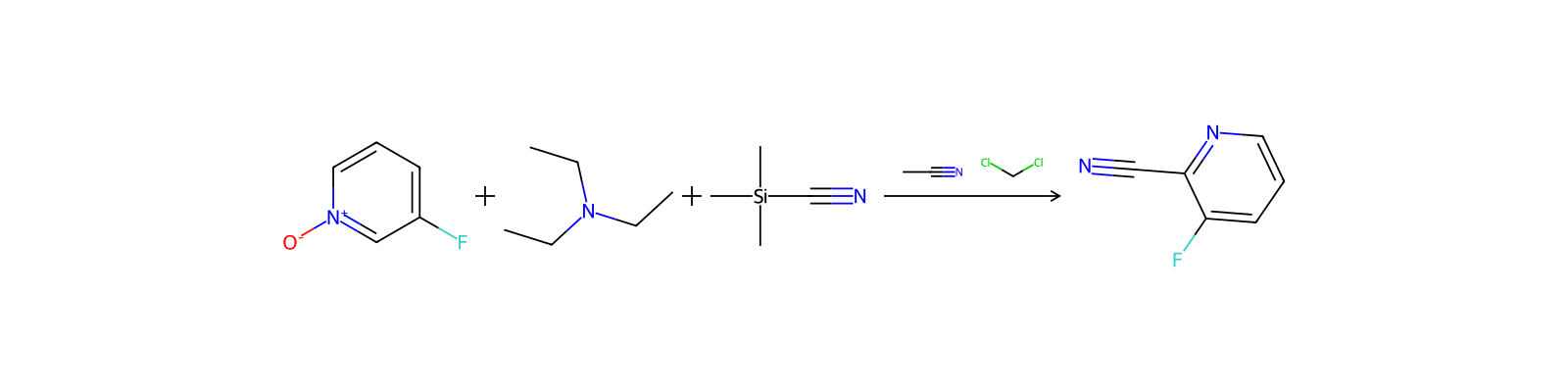
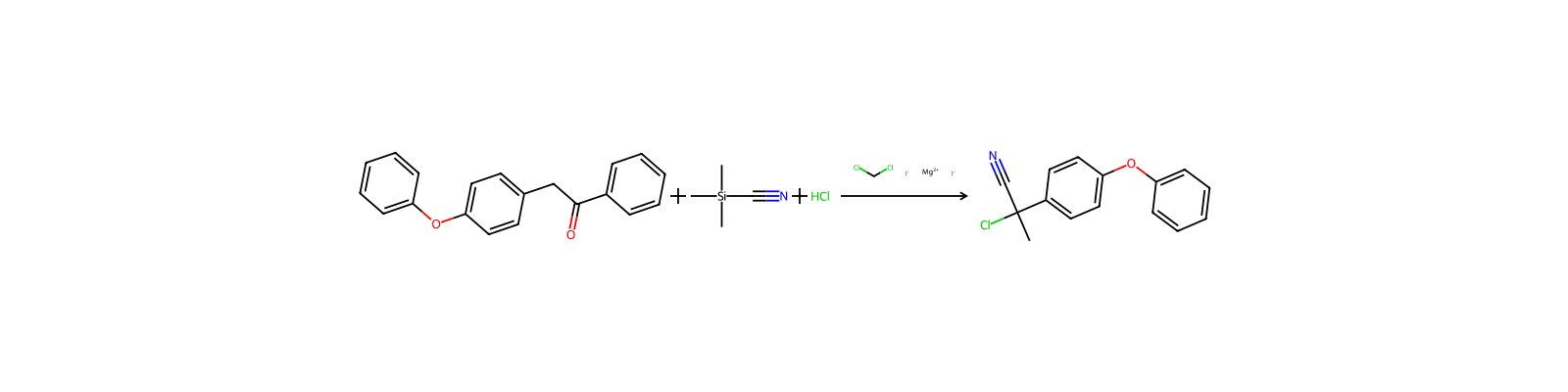
용도Reacts with aldehydes and ketones to give cyanohydrin-TMS ethers which can be reduced to β-aminoethyl alcohols.Trimethylsilyl cyanide (TMSCN) participates in carbonyl aminomethylation via α-silyloxy nitriles.TMSCN can be used as a reagent in the:Trimethylsilyl cyanide was used in the second step of an oxidative Michael addition of cyanide anion to Baylis–Hillman adducts. The importance of the addition of cyanide to α,β-unsaturated carbonyl derivatives is that the products can be converted into a variety of compounds including γ-aminobutyric acids. The reaction took place in a liquid ionic medium ([bmim]Br), which was reused several times without losing its activity. The β-cyano carbonyl compounds were obtained with high regioselectivity and yields (>79%).Cyanosilylation of carbonyl compounds using various catalysts.Synthesis of α-aminonitriles by one-pot, three-component Strecker reaction of ketones with various amines using Brønsted acid catalyst.Cyanation of aryl halides using palladium-complex as a catalyst.
제조 방법
Trimethylsilyl cyanide, (CH3)3 Si-CN, is obtained by reacting trimethylsilyl chloride with an approximately equimolar amount of an alkali metal cyanide in the absence of water and in the presence of catalytic, sub-stoichiometric amounts of both an alkali metal iodide and N-methylpyrrolidone, at a temperature of from 15°-25° C. Trimethylsilyl cyanide is very toxic. All reactions in this sequence should be carried out in a hood. Preparation of trimethylsilyl cyanide TRIMETHYLSILYL CYANIDE: CYANOSILATION OF p-BENZOQUINONE
상·하류 제품 정보
상류 원료
하류 제품
관련 반응
1,368건



화합물 노트
불러오는 중…