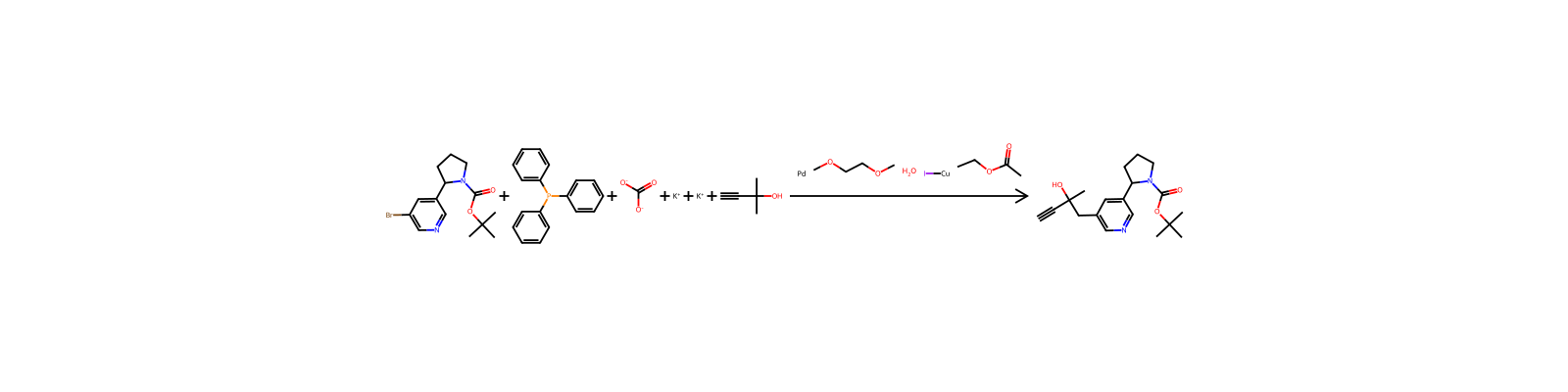
3-메틸-1-부틴-3-올
2-Methyl-3-butyn-2-ol
데이터를 보충하는 중입니다. 잠시 후 페이지를 새로 고치면 최신 내용을 볼 수 있습니다
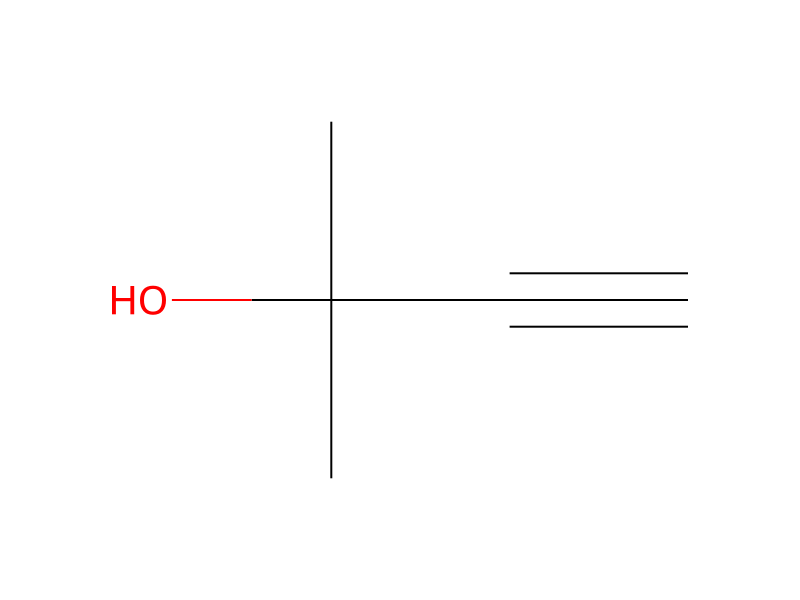
기본 정보
- CAS
115-19-5- 표준 SMILES
C#CC(C)(C)O- InChIKey
CEBKHWWANWSNTI-UHFFFAOYSA-N- 분자식
- C5H8O
- 평균 분자량
- 84.12 g/mol
- 단동위원소 질량
- 84.05751488
개요
2-methyl-2-hydroxy-3-butyne is a colorless to straw yellow liquid. (USCG, 1999)
이름 및 식별자
- 우선 이름
- 2-Methyl-3-butyn-2-ol
- IUPAC
- 2-methylbut-3-yn-2-ol
- 현지명
- 3-메틸-1-부틴-3-올
- 영어명
- 3-Methyl butynol
- 분자식
- C5H8O
- 분자량
- 84.12
이름 및 동의어
2-METHYL-3-BUTYN-2-OL115-19-52-Methylbut-3-yn-2-ol3-Butyn-2-ol, 2-methyl-2-Methyl-2-butynolEthynyldimethylcarbinolCarbavaneDimethylethynylcarbinolDimethylethynylmethanol2-Hydroxy-2-methyl-3-butyneDimethylacetylenecarbinolDimethylacetylenylcarbinol
이름 더 보기
2-메틸-3-부틴-2-올3-메틸-1-부틴-3-올메틸부티놀,3-하이드록시-3-메틸-1-부탄디메틸에티닐메탄올2-메틸부-3-틴-2-올1,1-다이메틸-2-프로핀-1-올1,1-다이메틸프로파르길 알코올1,1-다이메틸프로피놀2-메틸-3-부티놀-22-하이드록시-2-메틸-3-부틴다이메틸아세틸렌카르비놀다이메틸아세틸에닐카르비놀다이메틸에티닐메탄올다이메틸에티닐카르시놀알파, 알파-다이메틸프로파르길 알코올에티닐다이메틸카르비놀MBYMethyl butynol2-Methyl-3-Butyne-2-OlAB-322-MethylbutynolMethylbutylenol
1,1-Dimethylpropargyl alcoholDTXSID2021949EHB904XHKHNSC-523DTXCID701949RefChem:88076204-070-53-Methyl-1-butyn-3-ol
데이터베이스 식별자
- CAS
115-19-5- PubChem CID
- 8258
- DTXSID
DTXSID2021949- ChEMBL
CHEMBL3185871- UNII
- EHB904XHKH
- EC Number
- 204-070-5
- Nikkaji
- J38.146B
물성
구조 계산 물성보충 중
- XLogP
- 0.3
- 극성 표면적
- 20.2 Ų
- 수소 결합 공여자 수
- 1
- 수소 결합 수용자 수
- 1
- 회전 가능 결합 수
- 1
- 무거운 원자 수
- 6
- 형식 전하
- 0
- 복잡도
- 83.4
실험 및 물리화학적 성질
PolymersOther Classes -> Alcohols and Polyols, Other
SpringerMaterials PropertiesBoiling point
LogP
0.318
0.28
Density
0.8672 (USCG, 1999) - Less dense than water; will float
Density (gas): 0.9 kg/m³
Relative density of the vapour/air-mixture at 20 °C (air = 1): 1.04
SolubilitySolubility in water: miscible
Flash Point
77 °F (USCG, 1999)
20 °C c.c.
Boiling Point
219.2 to 221 °F at 760 mmHg (USCG, 1999)
104-105 °C
Melting Point
36.7 °F (USCG, 1999)
2.6 °C
Vapor DensityRelative vapor density (air = 1): 2.9
Vapor Pressure
16.0 [mmHg]
Vapor pressure, kPa at 20 °C: 2
안전 및 규제
안전 정보는 참고용이며, 공급업체의 물질안전보건자료(SDS), 관련 법규 및 전문가 평가를 대체하지 않습니다.
GHS 분류
GHS Classification
This chemical does not meet GHS hazard criteria for 4.8% (24 of 500) of reports.
Danger
H225 (62.8%): Highly Flammable liquid and vapor [Danger Flammable liquids]
P203, P210, P233, P240, P241, P242, P243, P261, P264, P264+P265, P270, P271, P280, P301+P317, P302+P352, P303+P361+P353, P304+P340, P305+P351+P338, P305+P354+P338, P317, P318, P319, P321, P330, P332+P317, P337+P317, P362+P364, P370+P378, P403+P233, P403+P235, P405, and P501 (click each P-code to see the statement)
Aggregated GHS information provided per 500 reports by companies from 20 notifications to the ECHA C&L Inventory. Each notification may be associated with multiple companies.
Danger
유해성 정보
Regulatory Information
Chemical: 3-Butyn-2-ol, 2-methyl-
Status: Active Update: 18-03-2020 https://echa.europa.eu/registration-dossier/-/registered-dossier/12665
3-Butyn-2-ol, 2-methyl-: Does not have an individual approval but may be used under an appropriate group standard
Other Safety InformationIMAP assessments - 3-Butyn-2-ol, 2-methyl-: Human health tier I assessment
DOT LabelFlammable Liquid
Fire Hazards
Special Hazards of Combustion Products: Irritating and toxic gases, such as carbon dioxide and carbon monoxide, may be produced in fire. (USCG, 1999)
Highly flammable. Vapour/air mixtures are explosive. Risk of explosion on contact with copper.
Health HazardsContact will cause eye and skin irritation. Vapor exposure may cause eye and respiratory tract irritation. (USCG, 1999)
Hazards Summary
An eye but not skin irritant in rabbits; Not a skin sensitizer in guinea pig modified split adjuvant test; Developmental toxicity observed in rats at doses maternally toxic; [IUCLID] Causes somnolence, lung changes, ataxia, respiratory depression, and general anesthesia in inhalation lethal-concentration studies of mice; Oral LD50 (mouse) = 500 mg/kg; [RTECS] A skin and eye irritant; May cause smarting and reddening of skin if spilled and allowed to remain on clothes; High vapor concentrations may cause mild smarting of eyes and respiratory tract; [CHRIS] An eye irritant; [ICSC] May cause serious eye injury; Harmful by ingestion; [ECHA REACH Registrations] An irritant; Harmful by ingestion; [Alfa Aesar MSDS]
화학 및 산업
용도 및 제조
Uses
Has been used as a pheromone substitute in beetle control; [REPROTOX] Used as an intermediate, laboratory reagent, and in wood treatment; [ECHA REACH Registrations]
Applying Wood Preservatives [Category: Other]
General Manufacturing Information3-Butyn-2-ol, 2-methyl-: ACTIVE
응용 분야
용도Stabilizer in chlorinated solvents, viscosity reducer and stabilizer, electroplating brightener, intermediate.
일반 설명Colorless to straw yellow liquid.
제조 방법
3-Methyl butynol is produced from Acetone and Acetylene in liquid Ammonia with Sodamide (or in Cellosolve with Potassium hydroxide). The process yields Methylbutynol which can be hydrogenated to Methylbutenol.
상·하류 제품 정보
상류 원료
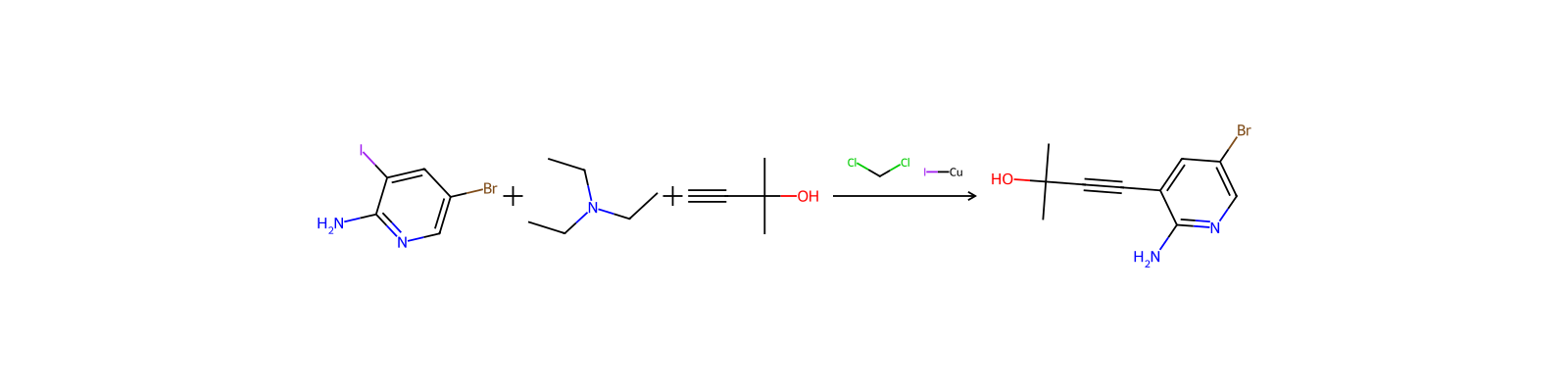
관련 반응
483건



화합물 노트
불러오는 중…