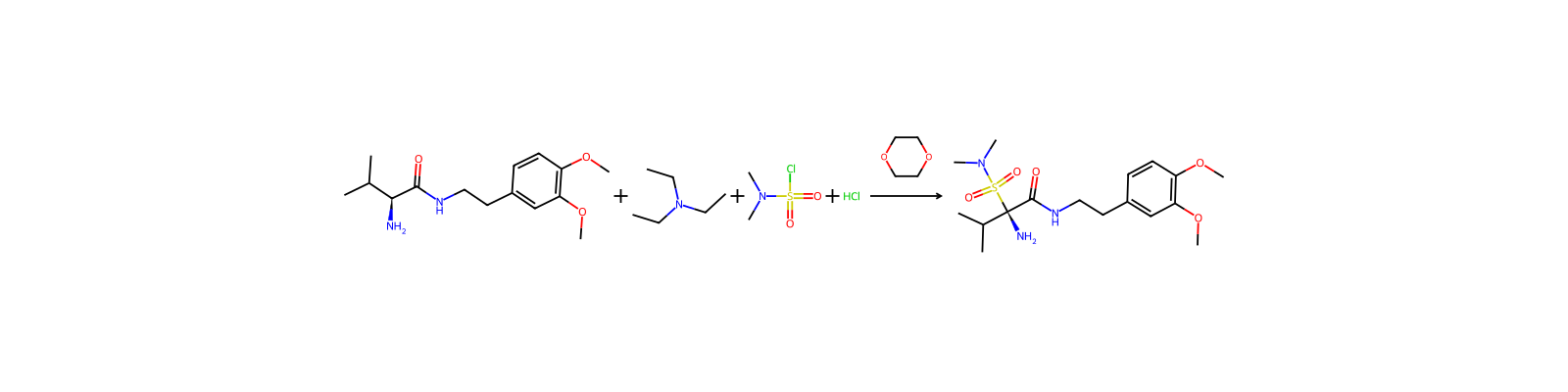
디메틸술파모일 염화물
Dimethylsulphamoyl chloride
데이터를 보충하는 중입니다. 잠시 후 페이지를 새로 고치면 최신 내용을 볼 수 있습니다

기본 정보
- CAS
13360-57-1- 표준 SMILES
CN(C)S(=O)(=O)Cl- InChIKey
JFCHSQDLLFJHOA-UHFFFAOYSA-N- 분자식
- C2H6ClNO2S
- 평균 분자량
- 143.59 g/mol
- 단동위원소 질량
- 142.98077711
이름 및 식별자
- 우선 이름
- Dimethylsulphamoyl chloride
- IUPAC
- N,N-dimethylsulfamoyl chloride
- 현지명
- 디메틸술파모일 염화물
- 영어명
- Dimethylsulfamoyl chloride
- 분자식
- C2H6ClNO2S
- 분자량
- 143.59
이름 및 동의어
Dimethylsulfamoyl chloride13360-57-1Sulfamoyl chloride, dimethyl-Dimethylaminosulfonyl chlorideDimethylsulfamoylchlorideDimethylsulphamoyl chlorideDimethylamidosulfonyl chlorideN,N-Dimethylsulfamyl chlorideSulfamoyl chloride, N,N-dimethyl-EINECS 236-412-4NSC 93875BRN 0741979
이름 더 보기
다이메틸설파모일클로라이드디메틸술파모일염화물염화디메틸술파모일염화디메틸술파모일다이메틸설파모일 클로라이드염화 N,N-다이메틸설팜오일염화 N,N-다이메틸설팜일염화 N,N-다이메틸아미노설폰일염화 다이메틸설팜오일염화 다이메틸아미노설폰일염화 디메틸술파모일N,N-DIMETHYLSULFAMOYL CHLORIDEDimethylsulfamoylfamoyLDiMethylsulfaMoy ChlorideDimethylsdulfamoylchloriddimethyl-sulfamoylchloridDimethylsulfamyl chlorideDIMETHYLAMINOSULFOCHLORIDESulfamoylchloride,dimethyl-
4-04-00-00270 (Beilstein Handbook Reference)DTXSID6065420EC 236-412-4RefChem:588614sulfamoyl chloride, dimethylN,NDimethylsulfamyl chlorideN,NDimethylsulfamoyl chlorideSulfamoyl chloride, N,Ndimethyl
데이터베이스 식별자
- CAS
13360-57-1- PubChem CID
- 83372
- DTXSID
DTXSID6065420- UNII
- 76BN2B689B
- EC Number
- 236-412-4
- Nikkaji
- J23.438I
물성
구조 계산 물성보충 중
- XLogP
- 0.3
- 극성 표면적
- 45.8 Ų
- 수소 결합 공여자 수
- 0
- 수소 결합 수용자 수
- 3
- 회전 가능 결합 수
- 1
- 무거운 원자 수
- 7
- 형식 전하
- 0
- 복잡도
- 132
실험 및 물리화학적 성질
Chemical ClassesToxic Gases & Vapors -> Acid Halides
SpringerMaterials Properties15N nuclear magnetic resonance spectrum
Physical DescriptionClear colorless liquid; [MSDSonline]
물리화학적 성질
- 녹는점
- -13 °C · -13 °C
- 끓는 점
- 114 °C75 · 114 °C75 mm Hg(lit.)
- 밀도
- 1.337 g/mL · 1.337 g/mL at 25 °C(lit.)
- 굴절률
- 20 · n20/D 1.452(lit.)
- 인화점
- 202 °F · 202 °F
- 저장 조건
- 2 · Inert atmosphere,2-8°C
- 용해도
- 에 용해됨클로로포름, 아세트산에틸 (약간 용해됨)
- 산도 계수 (pKa)
- -8.25 · -8.25±0.70(Predicted)
- 물리적 상태
- 기름
- 색상
- 무색~황백색
- 수용성
- 물에서 분해되다
- BRN
- 741979 · 741979
- 안정성
- 수분에 민감한
안전 및 규제
안전 정보는 참고용이며, 공급업체의 물질안전보건자료(SDS), 관련 법규 및 전문가 평가를 대체하지 않습니다.
GHS 분류
GHS Classification
Danger
H302: Harmful if swallowed [Warning Acute toxicity, oral]
P203, P260, P264, P270, P271, P280, P284, P301+P317, P301+P330+P331, P302+P352, P302+P361+P354, P304+P340, P305+P354+P338, P316, P317, P318, P320, P321, P330, P362+P364, P363, P403+P233, P405, and P501 (click each P-code to see the statement)
Danger
H302 (100%): Harmful if swallowed [Warning Acute toxicity, oral]
P203, P260, P262, P264, P264+P265, P270, P271, P280, P284, P301+P317, P301+P330+P331, P302+P352, P302+P361+P354, P304+P340, P305+P354+P338, P316, P317, P318, P320, P321, P330, P361+P364, P362+P364, P363, P403+P233, P405, and P501 (click each P-code to see the statement)
유해성 정보
Regulatory Information
Hazard Traits - Carcinogenicity
Status: Active Update: 16-03-2023 https://echa.europa.eu/registration-dossier/-/registered-dossier/1978
Dimethylsulphamoyl chloride: Does not have an individual approval but may be used under an appropriate group standard
Hazards Summary
Harmful by ingestion and skin absorption; Highly toxic by inhalation; May cause burns; [eChemPortal: ESIS] Danger of cutaneous absorption; MAC-2 (considered to be carcinogenic for man because sufficient data from long-term animal studies or limited evidence from animal studies substantiated by evidence from epidemiological studies indicate that it can make a significant contribution to cancer risk); [MAK] May decompose on exposure to moisture; A corrosive substance that can cause injury to the skin, eyes, and respiratory tract; Inhalation may cause chemical pneumonitis and pulmonary edema; [MSDSonline]
Hazard Classes and Categories
Acute Tox. 4 (100%)
Carcinogenicity - category 1B
Flammable liquids - Category 4
Acute toxicity (Oral) - Category 4
Carc. 1B
안전 및 보호
화학 및 산업
용도 및 제조
General Manufacturing InformationSulfamoyl chloride, N,N-dimethyl-: ACTIVE
응용 분야
용도Dichlorofluanid is a degradation product of the pesticide Dichlorofluanid.
상·하류 제품 정보
상류 원료
하류 제품
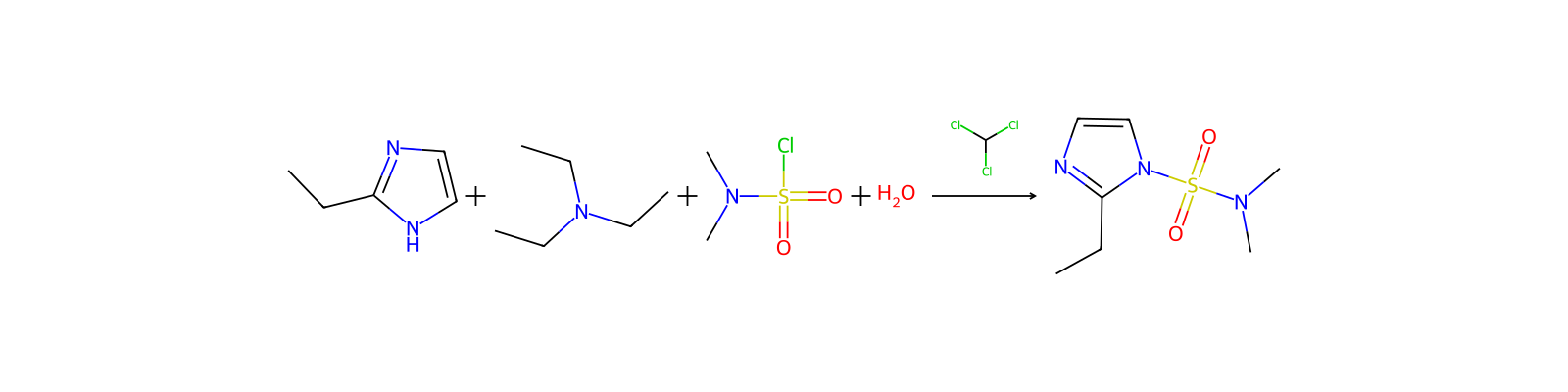
관련 반응
563건





화합물 노트
불러오는 중…