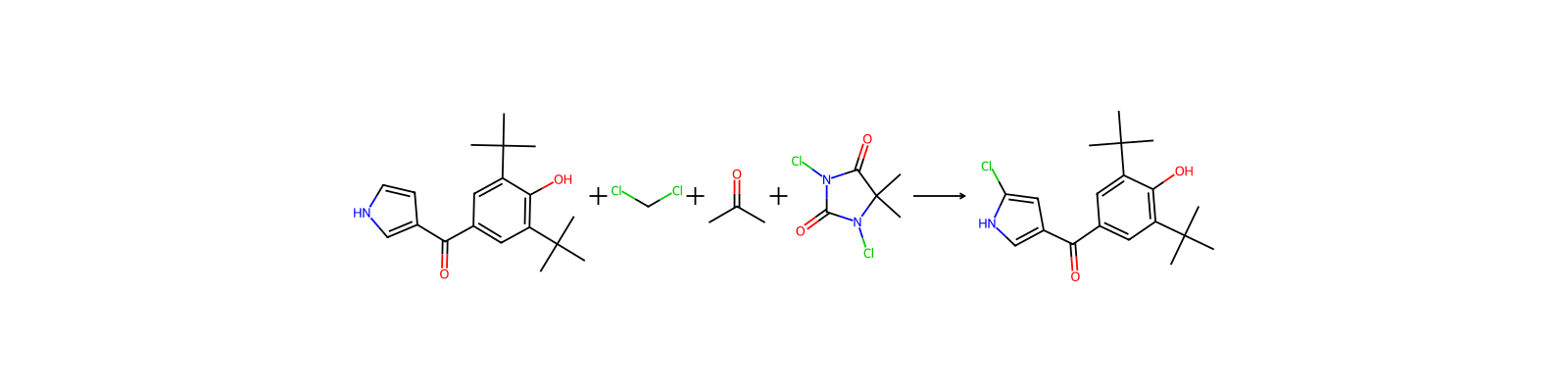
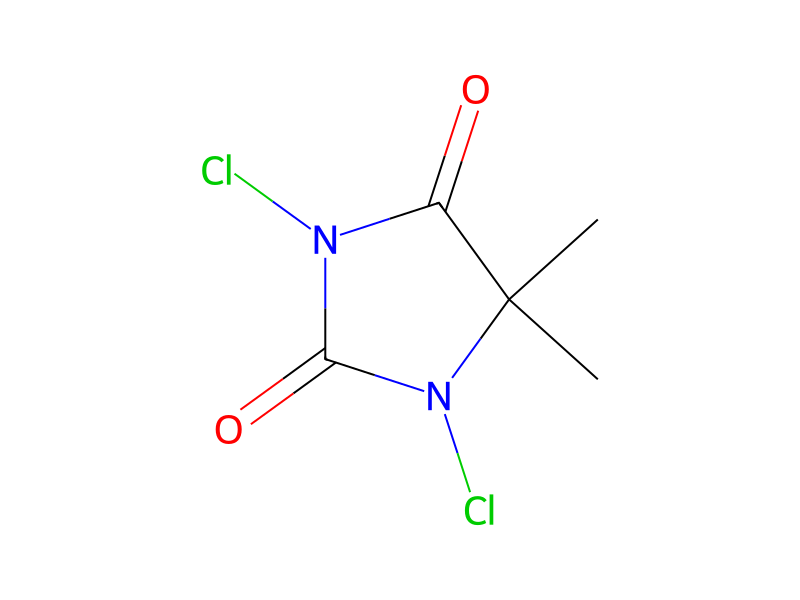
기본 정보
- 표준 SMILES
CC1(C)C(=O)N(Cl)C(=O)N1Cl- InChIKey
KEQGZUUPPQEDPF-UHFFFAOYSA-N- 분자식
- C5H6Cl2N2O2
- 평균 분자량
- 197.02 g/mol
- 단동위원소 질량
- 195.98063279
개요
1,3-dichloro-5,5-dimethylhydantoin is a white powder with a weak chlorine odor. Conflagrates at 414 °F (turns brown). Chlorine gas evolves at temperatures > 410 °F. (NTP, 1992)
이름 및 식별자
- 우선 이름
- 1,3-Dichloro-5,5-dimethylhydantoin
- IUPAC
- 1,3-dichloro-5,5-dimethylimidazolidine-2,4-dione
- 현지명
- 1,3-디클로로-5,5-디메틸 하이단토인
- 영어명
- 1,3-Dichloro-5,5-dimethylhydantoin
- 분자식
- C5H6Cl2N2O2
- 분자량
- 197.02
이름 및 동의어
1,3-DICHLORO-5,5-DIMETHYLHYDANTOIN118-52-5DantoinDactinHalaneDaktinDichlorantinOmchlorHydanHydantoin, dichlorodimethyl-Hydan (antiseptic)NCI-C03054
이름 더 보기
1,3-다이클로로-5,5-다이메틸하이단토인1,3-디클로로-5,5-디메틸하이단토인1,3-디클로로-5,5-디메틸하이단토인1,3-디클로로-5,5-디메틸히단토인DichlorohydantoindichlorodimethylhydantoinDichloro Hein1,3-DICHLORO-5,5-DIMETHYLHYDANTOINE
1,3-Dichloro-5,5-dimethyl-2,4-imidazolidinedioneDwuchlorantyny2,4-Imidazolidinedione, 1,3-dichloro-5,5-dimethyl-DCDMHDTXSID4024985Hydantoin, 1,3-dichloro-5,5-dimethyl-1,3-Dichloro-5,5'-methylhydantoin70H8B2WWTU
데이터베이스 식별자
- CAS
118-52-5- PubChem CID
- 8360
- DTXSID
DTXSID4024985- ChEMBL
CHEMBL1899986- UNII
- 70H8B2WWTU
- EC Number
- 204-258-7
- Nikkaji
- J5.299J
물성
구조 계산 물성
- XLogP
- 1.1
- 극성 표면적
- 40.6 Ų
- 수소 결합 공여자 수
- 0
- 수소 결합 수용자 수
- 2
- 회전 가능 결합 수
- 0
- 무거운 원자 수
- 11
- 형식 전하
- 0
- 복잡도
- 229
실험 및 물리화학적 성질
Chemical ClassesNitrogen Compounds -> Other Nitrogen Compounds
pHpH of aqueous soln about 4.4
SpringerMaterials PropertiesNuclear quadrupole resonance spectroscopy
OdorChlorine-like odor
Density
1.5 at 68 °F (NTP, 1992) - Denser than water; will sink
1.5 at 20 °C/20 °C
1.5
1.5
Color/Form
Four-sided, pointed prisms from chloroform
White powder
Solubility
Reaction (NTP, 1992)
Solubility (at 25 °C): 12.5% in carbon tetrachloride, 14% in chloroform, 30% in methylene chloride, 32.0% in ethylene dichloride, 17% in sym-tetrachlorethane, 9.2% in benzene
In water, 0.5 g/L at 20 °C; 1.3 g/L at 40 °C.
0.2%
CorrosivityPRESUMABLY LESS CORROSIVE THAN HYPOCHLORITE SOLUTIONS WITH SAME CONCN OF AVAILABLE CHLORINE
Flash Point
346 °F (NIOSH, 2024)
346 °F
346 °F
346 °F
Boiling Point
Sublimes at 212 °F (NTP, 1992)
212 ° (sublimes)
DecompositionWhen heated to decomposition it emits toxic vapors of /nitrogen oxide and hydrogen chloride/.
Melting Point
270 °F (NTP, 1992)
132 °C
270 °F
270 °F
물리화학적 성질
- 녹는점
- 132 · 132-134 °C (lit.)
- 끓는 점
- 214.7 · 214.7±23.0 °C(Predicted)
- 밀도
- 1 · 1,5 g/cm3
- 증기압
- 0.003 Pa · 0.003Pa
- 굴절률
- 1.572 · 1.5720 (estimate)
- 인화점
- 171 °C · 171 °C
- 저장 조건
- Keep in dark place,Sealed in dry,Room Temperature
- 용해도
- 25 °C에서 · 물: 25°C에서 용해성0.21%(lit.)
- 산도 계수 (pKa)
- -3.44 · -3.44±0.40(Predicted)
- 물리적 상태
- 결정성 분말
- 색상
- 하얀색
- 수소이온지수(pH)
- 4.4 · 4.4 (H2O)(HSDB)
- 수용성
- 0.21 g/100mL · 0.21g/100mL(25℃)
- Merck
- 14 · 14,3065
- BRN
- 146013 · 146013
- Henry's Law Constant
- 9.9 · 9.9×100 mol/(m3Pa) at 25℃, HSDB (2015)
- 안정성
- 안정적이지만 강력한 산화제입니다. 가연성 물질과 접촉하면 화재가 발생할 수 있습니다. 환원제, 산, 강염기와 호환되지 않습니다. 수분에 민감합니다.
- InChI
- 1S/C5H6Cl2N2O2/c1-5(2)3(10)8(6)4(11)9(5)7/h1-2H3
- InChIKey
- KEQGZUUPPQEDPF-UHFFFAOYSA-N
- SMILES
- CC1(C)N(Cl)C(=O)N(Cl)C1=O
- LogP
- -0.94 · -0.94
- EPA
- 1 · 1,3-Dichloro-5,5-dimethylhydantoin (118-52-5)
화학적 성질
DCDMH is a combustible, white powder. Chlorine-like odor.
안전 및 규제
GHS 분류
GHS Classification
Danger
H272 (53.1%): May intensify fire; oxidizer [Danger Oxidizing liquids; Oxidizing solids]
P210, P220, P233, P260, P261, P264, P264+P265, P270, P271, P272, P273, P280, P284, P301+P317, P301+P330+P331, P302+P352, P302+P361+P354, P304+P340, P305+P351+P338, P305+P354+P338, P316, P319, P321, P330, P332+P317, P333+P317, P337+P317, P342+P316, P362+P364, P363, P370+P378, P391, P403, P403+P233, P405, and P501 (click each P-code to see the statement)
Aggregated GHS information provided per 130 reports by companies from 15 notifications to the ECHA C&L Inventory. Each notification may be associated with multiple companies.
Warning
H302: Harmful if swallowed [Warning Acute toxicity, oral]
유해성 정보
Regulatory Information
Chemical: 2,4-Imidazolidinedione, 1,3-dichloro-5,5-dimethyl-
2,4-Imidazolidinedione, 1,3-dichloro-5,5-dimethyl- is listed on the EPA's Chemical Data Reporting (CDR) system. Manufacturers and importers of 2,4-Imidazolidinedione, 1,3-dichloro-5,5-dimethyl- are required to report information about their production and use of this chemical to the EPA under the Toxic Substances Control Act (TSCA). (40 eCFR Part 711)
Dantochlor (BCDMH) is listed in the dataset of EPA Human Health Benchmarks for Pesticides under the Safe Drinking Water Act (40 eCFR 141)
Status: Active Update: 02-04-2020 https://echa.europa.eu/registration-dossier/-/registered-dossier/18181
1,3-Dichloro-5,5-dimethylhydantoin: Does not have an individual approval but may be used under an appropriate group standard
DOT LabelOxidizer
Fire HazardsFlash point data for this chemical are not available. It is probably combustible. (NTP, 1992)
Fire Potential... /It is/ combustible with evolution of chlorine at 210 °C.
Health HazardsExcerpt from NIOSH Pocket Guide for 1,3-Dichloro-5,5-dimethylhydantoin:
Hazards Summary
Hypochlorous acid is released upon contact with water. A concentration of 10 ppm is the maximum level recommended to prevent respiratory irritation when used to sanitize swimming pools. A worker exposed to a concentration exceeding 0.2 mg/m3 complained of cough and chest discomfort. [ACGIH] Corrosive to skin and eyes; May cause respiratory sensitization; [Sigma-Aldrich MSDS]
Reactive GroupAcyl Halides, Sulfonyl Halides, and Chloroformates
FIFRA Requirements
As the federal pesticide law FIFRA directs, EPA is conducting a comprehensive review of older pesticides to consider their health and environmental effects and make decisions about their future use. Under this pesticide reregistration program, EPA examines health and safety data for pesticide active ingredients initially registered before November 1, 1984, and determines whether they are eligible for reregistration. In addition, all pesticides must meet the new safety standard of the Food Quality Protection Act of 1996. Pesticides for which EPA had not issued Registration Standards prior to the effective date of FIFRA, as amended in 1988, were divided into three lists based upon their potential for human exposure and other factors, with List B containing pesticides of greater concern and List D pesticides of less concern. Dichloro-5,5-dimethylhydantoin is found on List C. Case No: 3055; Pesticide type: fungicide, herbicide, antimicrobial; Case Status: OPP is reviewing data from the pesticide's producers regarding its human health and/or environmental effects, or OPP is determining the pesticide's eligibility for reregistration and developing the Reregistration Eligibility Decision (RED) document.; Active ingredient (AI): dichloro-5,5-dimethylhydantoin; Data Call-in (DCI) Date(s): 05/03/93; AI Status: The producers of the pesticide has made commitments to conduct the studies and pay the fees required for reregistration, and are meeting those commitments in a timely manner.
Reactivity AlertsStrong Oxidizing Agent
OSHA Standards
Permissible Exposure Limit: Table Z-1 8-hr Time Weighted Avg: 0.2 mg/cu m.
Vacated 1989 OSHA PEL TWA 0.2 mg/cu m; STEL 0.4 mg/cu m is still enforced in some states.
Reactivity Profile
1,3-DICHLORO-5,5-DIMETHYLHYDANTOIN reacts violently with xylene. It is incompatible with strong acids, easily oxidized materials, ammonia salts and sulfides. It will react with water or steam to produce toxic and corrosive fumes. At a pH of 9, it decomposes completely. (NTP, 1992)
Flammable LimitsCombustible Solid
안전 및 보호
Fire FightingFires involving this material can be controlled with a dry chemical, carbon dioxide or Halon extinguisher. (NTP, 1992)
First Aid
EYES: First check the victim for contact lenses and remove if present. Flush victim's eyes with water or normal saline solution for 20 to 30 minutes while simultaneously calling a hospital or poison control center. Do not put any ointments, oils, or medication in the victim's eyes without specific instructions from a physician. IMMEDIATELY transport the victim after flushing eyes to a hospital even if no symptoms (such as redness or irritation) develop.
(General first aid procedures)
Storage Conditions
Safe Storage of Pesticides. Always store pesticides in their original containers, complete with labels that list ingredients, directions for use, and first aid steps in case of accidental poisoning. Never store pesticides in cabinets with or near food, animal feed, or medical supplies. Do not store pesticides in places where flooding is possible or in places where they might spill or leak into wells, drains, ground water, or surface water.
Cleanup Methods
Absorb the spills with paper towels or the like materials. Place in hood to evaporate. Dispose by burning the towel.
If a spill occurs, clean it up promptly. Don't wash it away. Instead, sprinkle the spill with sawdust, vermiculite, or kitty litter. Sweep it into a plastic garbage bag, and dispose of it as directed on the pesticide product label.
After Applying a Pesticide, Indoors or Outdoors. To remove pesticide residues, use a bucket to rinse tools or equipment three times, including any containers or utensils that you used when mixing the pesticide. Then pour the rinsewater into the pesticide sprayer and reuse the solution by applying it according to the pesticide product label directions. After applying any pesticide wash your hands and any other parts of your body that may have come in contact with the pesticide..To prevent tracking pesticides inside, remove or rinse your boots or shoes before entering your home. Wash any clothes that have been exposed to a lot of pesticide separately from your regular wash.
Nonfire Spill Response
SMALL SPILLS AND LEAKAGE: Should a spill occur while you are handling this chemical, FIRST REMOVE ALL SOURCES OF IGNITION, then you should dampen the solid spill material with 60-70% ethanol and transfer the dampened material to a suitable container. Use absorbent paper dampened with 60-70% ethanol to pick up any remaining material. Seal the absorbent paper, and any of your clothes, which may be contaminated, in a vapor-tight plastic bag for eventual disposal. Solvent wash all contaminated surfaces with 60-70% ethanol followed by washing with a soap and water solution. Do not reenter the contaminated area until the Safety Officer (or other responsible person) has verified that the area has been properly cleaned.
Disposal Methods
SRP: The most favorable course of action is to use an alternative chemical product with less inherent propensity for occupational exposure or environmental contamination. Recycle any unused portion of the material for its approved use or return it to the manufacturer or supplier. Ultimate disposal of the chemical must consider: the material's impact on air quality; potential migration in soil or water; effects on animal, aquatic, and plant life; and conformance with environmental and public health regulations.
Safe Disposal of Pesticides. The best way to dispose of small amounts of excess pesticides is to use them - apply them - according to the directions on the label. If you cannot use them, ask your neighbors whether they have a similar pest control problem and can use them. If all of the remaining pesticide cannot be properly used, check with your local solid waste management authority, environmental agency, or health department to find out whether your community has a household hazardous waste collection program or a similar program for getting rid of unwanted, leftover pesticides. These authorities can also inform you of any local requirements for pesticide waste disposal.
Safe Disposal of Pesticides. An empty pesticide container can be as hazardous as a full one because of residues left inside. Never reuse such a container. When empty, a pesticide container should be rinsed carefully three times and the rinsewater thoroughly drained back onto the sprayer or the container previously used to mix the pesticide. Use the rinsewater as a pesticide, following label directions. Replace the cap or closure securely. Dispose of the container according to label instructions. Do not puncture or burn a pressurized container like an aerosol - it could explode. Do cut or puncture other empty pesticide containers made of metal or plastic to prevent someone from reusing them. Wrap the empty container and put it in the trash after you have rinsed it.
Preventive Measures
SRP: The scientific literature for the use of contact lenses in industry is conflicting. The benefit or detrimental effects of wearing contact lenses depend not only upon the substance, but also on factors including the form of the substance, characteristics and duration of the exposure, the uses of other eye protection equipment, and the hygiene of the lenses. However, there may be individual substances whose irritating or corrosive properties are such that the wearing of contact lenses would be harmful to the eye. In those specific cases, contact lenses should not be worn. In any event, the usual eye protectionequipment should be worn even when contact lenses are in place.
The worker should immediately wash the skin when it becomes contaminated.
Work clothing that becomes wet or significantly contaminated should be removed and replaced.
Workers whose clothing may have become contaminated should change into uncontaminated clothing before leaving the work premises.
For more Preventive Measures (Complete) data for 1,3-DICHLORO-5,5-DIMETHYLHYDANTOIN (9 total), please visit the HSDB record page.
Isolation and EvacuationExcerpt from ERG Guide 140 [Oxidizers]:
Respirator RecommendationsNIOSH/OSHA
Threshold Limit Values (TLV)
0.2 [mg/m3]
0.4 [mg/m3]
8 hr Time Weighted Avg (TWA): 0.2 mg/cu m; 15 min Short Term Exposure Limit (STEL): 0.4 mg/cu m.
0.2 mg/m³ [1979]
0.4 mg/m³ [1979]
Permissible Exposure Limit (PEL)
0.2 [mg/m3]
0.2 mg/m³
TWA 0.2 mg/m3 See Appendix G
Recommended Exposure Limit (REL)
0.2 mg/m³
0.4 mg/m³
TWA 0.2 mg/m3 ST 0.4 mg/m3
독성 정보
Target OrgansEyes, respiratory system
Ecotoxicity Values
LC50 Anas platyrhynchos (Mallard duck) diet >5620 ppm/8 days
LC50 Colinus virginianus (Bobwhite quail) diet >5620 ppm/8 days
LD50 Colinus virginianus (Bobwhite quail, adult) oral 1715 mg/kg
EC50 Daphnia magna (Water flea, age <24 hr; intoxication, immobilization) 0.84 ppm/48 hr (95% confidence limit: 0.77-0.91 ppm); static
For more Ecotoxicity Values (Complete) data for 1,3-DICHLORO-5,5-DIMETHYLHYDANTOIN (12 total), please visit the HSDB record page.
Environmental Fate
TERRESTRIAL FATE: Based on a classification scheme(1), an estimated Koc value of 140(SRC), determined from a water solubility of 500 mg/L(2) and a regression-derived equation(3), indicates that 1,3-dichloro-5,5-dimethylhydantoin is expected to have high mobility in soil(SRC). Volatilization of 1,3-dichloro-5,5-dimethylhydantoin from moist soil surfaces may be an important fate process(SRC) given an estimated Henry's Law constant of 1.0X10⁻⁶ atm-cu m/mole(SRC), using a fragment constant estimation method(4). 1,3-Dichloro-5,5-dimethylhydantoin is not expected to volatilize from dry soil surfaces(SRC) based upon an estimated vapor pressure of 2.4X10⁻⁵ mm Hg(SRC), determined from a fragment constant method(5). Biodegradation data were not available(SRC, 2006).
AQUATIC FATE: Based on a classification scheme(1), an estimated Koc value of 140(SRC), determined from a water solubility of 500 mg/L(2) and a regression derived equation(3), indicates that 1,3-dichloro-5,5-dimethylhydantoin is not expected to adsorb to suspended solids and sediment(SRC). Volatilization from water surfaces is expected(3) based upon an estimated Henry's Law constant of 1.0X10⁻⁶ atm-cu m/mole(SRC), developed using a fragment constant estimation method(4). Using this Henry's Law constant and an estimation method(3), volatilization half-lives for a model river and model lake are 50 and 370 days, respectively(SRC). According to a classification scheme(5), an estimated BCF of 19(SRC), from its water solubility(2)and a regression-derived equation(3), suggests the potential for bioconcentration in aquatic organisms is low(SRC). Upon exposure to water 1,3-dichloro-5,5-dimethylhydantoin will slowly release hypochlorous acid. At pH 9 nitrogen chloride is formed from 1,3-dichloro-5,5-dimethylhydantoin solutions(6). Biodegradation data were not available(SRC, 2006).
ATMOSPHERIC FATE: According to a model of gas/particle partitioning of semivolatile organic compounds in the atmosphere(1), 1,3-dichloro-5,5-dimethylhydantoin, which has an estimated vapor pressure of 2.4X10⁻⁵ mm Hg at 25 °C(SRC), determined from a fragment constant method(2), will exist in both the vapor and particulate phases in the ambient atmosphere. Vapor-phase 1,3-dichloro-5,5-dimethylhydantoin is degraded in the atmosphere by reaction with photochemically-produced hydroxyl radicals(SRC); the half-life for this reaction in air is estimated to be 5 days(SRC), calculated from its rate constant of 3.1X10⁻¹² cu cm/molecule-sec at 25 °C(SRC) that was derived using a structure estimation method(3). Particulate-phase 1,3-dichloro-5,5-dimethylhydantoin may be removed from the air by wet or dry deposition(SRC). 1,3-Dichloro-5,5-dimethylhydantoin does not contain chromophores that absorb at wavelengths >290 nm and therefore is not expected to be susceptible to direct photolysis by sunlight(SRC).
Adverse EffectsDermatotoxin - Skin burns.
Exposure Routesinhalation, ingestion, skin and/or eye contact
Signs and Symptomsirritation eyes, mucous membrane, respiratory system
Soil Adsorption/Mobility
The Koc of 1,3-dichloro-5,5-dimethylhydantoin is estimated as 140(SRC) using a water solubility of 500 mg/L(1) and a regression-derived equation(2). According to a classification scheme(3), this estimated Koc value suggests that 1,3-dichloro-5,5-dimethylhydantoin is expected to have high mobility in soil.
Human Toxicity Excerpts
/SIGNS AND SYMPTOMS/ Local tissue injury is the only recognized toxic action.
/CASE REPORTS/ An operator at a reactor station of a chemical company, who was exposed at a concentration of DCDMH exceeding a time weighted average of 0.2 mg/cu m, experienced cough and chest discomfort.
Artificial Pollution Sources
1,3-Dichloro-5,5-dimethylhydantoin's production and use as a chlorinating agent, disinfectant, industrial deodorant, active ingredient in laundry bleaches, intermediate for drug, amino acid and insecticide synthesis as well as a stabilizer and catalyst for polymers(1) may result in its release to the environment through various waste streams(SRC). Its use in water treatment(1) will result in its direct release to the environment(SRC).
Environmental Bioconcentration
An estimated BCF of 19 was calculated for 1,3-dichloro-5,5-dimethylhydantoin(SRC), using water solubility of 500 mg/L(1) and a regression-derived equation(2). According to a classification scheme(3), this BCF suggests the potential for bioconcentration in aquatic organisms is low.
Volatilization from Water/Soil
The Henry's Law constant for 1,3-dichloro-5,5-dimethylhydantoin is estimated as 1.0X10⁻⁶ atm-cu m/mole(SRC) using a fragment constant estimation method(1). This Henry's Law constant indicates that 1,3-dichloro-5,5-dimethylhydantoin is expected to volatilize from water surfaces(2). Based on this Henry's Law constant, the volatilization half-life from a model river (1 m deep, flowing 1 m/sec, wind velocity of 3 m/sec)(2) is estimated as 50 days(SRC). The volatilization half-life from a model lake (1 m deep, flowing 0.05 m/sec, wind velocity of 0.5 m/sec)(2) is estimated as 370 days(SRC). 1,3-Dichloro-5,5-dimethylhydantoin's Henry's Law constant indicates that volatilization from moist soil surfaces may occur(SRC). 1,3-Dichloro-5,5-dimethylhydantoin is not expected to volatilize from dry soil surfaces(SRC) based upon a an estimated vapor pressure of 2.4X10⁻⁵ mm Hg(SRC), determined from a fragment constant method(3).
Non-Human Toxicity Excerpts
/LABORATORY ANIMALS: Acute Exposure/ Acute oral LD50 for rats of both sexes was found to be 542 + or - 84 mg/kg when DCDMH was administered as a 10% aqueous suspension. Hemorrhages of the gastrointestinal tract were usually found at necropsy of the rats dying within 48 hr after being dosed.
/LABORATORY ANIMALS: Subchronic or Prechronic Exposure/ Rats were able to tolerate aqueous solutions of DCDMH maintained at 20 ppm "available chlorine" given orally over a 30 day test period
/LABORATORY ANIMALS: Chronic Exposure or Carcinogenicity/ Dimethylhydantoin (purity = 98.9%) was fed in diet to Beagle dogs (4/sex/dose) at 0, 4000, 12000 and 40000 ppm for one-year. Chronic NOEL = 12000 ppm (Adrenal cortical hypertrophy was increased and correlated with increased relative adrenal weight for males at 40000 ppm. Adrenal hypertrophy was diffuse/bilateral and involved zona fasciculata cells. Body weight values were not statistically significantly decreased, but were generally lower in both sexes at 40000 ppm relative to the controls.) NOEL = 12000 ppm. /5,5-dimethylhydantoin/
/LABORATORY ANIMALS: Chronic Exposure or Carcinogenicity/ ... 5,5-Dimethylhydantoin (DMH) in Rats, Dantoin (DMH, purity = 99.8%) was fed in diet to CD rats (60/sex/dose) at 0 (2 control groups), 100, 300, or 1000 mg/kg/day for 104 weeks. Diets were adjusted periodically for DMH concentration to maintain the doses with separate diets for males and females. Chronic NOEL = 300 mg/kg/day (Survival time relative to controls was decreased in both sexes at 1000 mg/kg/day, however it was statistically significantly decreased only in males. Bodyweights were statistically significantly lower (9-14%) in females at 1000 mg/kg late in the study. Body weight gains were significantly decreased (compared to both controls) in males at 1000 mg/kg. No effects were observed in relation to hematology, clinical chemistry, urinalysis, ophthalmology, organ weights or pathology.) Oncogenic NOEL >1000 mg/kg/day (There were no treatment-related tumorigenic effects at any dose.) /5,5-Dimethylhydantoin/
For more Non-Human Toxicity Excerpts (Complete) data for 1,3-DICHLORO-5,5-DIMETHYLHYDANTOIN (9 total), please visit the HSDB record page.
규제 정보
FIFRA Requirements
As the federal pesticide law FIFRA directs, EPA is conducting a comprehensive review of older pesticides to consider their health and environmental effects and make decisions about their future use. Under this pesticide reregistration program, EPA examines health and safety data for pesticide active ingredients initially registered before November 1, 1984, and determines whether they are eligible for reregistration. In addition, all pesticides must meet the new safety standard of the Food Quality Protection Act of 1996. Pesticides for which EPA had not issued Registration Standards prior to the effective date of FIFRA, as amended in 1988, were divided into three lists based upon their potential for human exposure and other factors, with List B containing pesticides of greater concern and List D pesticides of less concern. Dichloro-5,5-dimethylhydantoin is found on List C. Case No: 3055; Pesticide type: fungicide, herbicide, antimicrobial; Case Status: OPP is reviewing data from the pesticide's producers regarding its human health and/or environmental effects, or OPP is determining the pesticide's eligibility for reregistration and developing the Reregistration Eligibility Decision (RED) document.; Active ingredient (AI): dichloro-5,5-dimethylhydantoin; Data Call-in (DCI) Date(s): 05/03/93; AI Status: The producers of the pesticide has made commitments to conduct the studies and pay the fees required for reregistration, and are meeting those commitments in a timely manner.
안전 데이터
- OEB
- C
- OEL
- TWA: 0.2 mg/m3, STEL: 0.4 mg/m3
- wgk
- 3
- IDLA
- 5 mg/m3
- tsca
- TSCA listed
- rtecs
- MU0700000
- ridadr
- UN 1479 5.1/PG 2
- 독성
- LD50 oral in rabbit: 1520mg/kg
- HS 번호
- 29332100
- risk_code
- 22-36/37/38-34-8-50-43-31-20/21/22
- hazard_code
- Xn,C,O,N
- safety_code
- 26-36-45-36/37/39-17-61
- 포장분류
- II
- 위험 등급
- 5.1
- 기존화학 물질
- KE-10112
- Hazard Classifications
- Acute Tox. 4 OralAquatic Acute 1Aquatic Chronic 1Ox. Sol. 2Skin Irrit. 2Skin Sens. 1
- 스토리지 클래스
- 5.1B - Oxidizing hazardous materials
- 유해 물질 데이터
- 118-52-5(Hazardous Substances Data)
화학 및 산업
용도 및 제조
Uses
Used as a chlorinating agent, for organic synthesis, and to stabilize vinyl chloride polymers; [ACGIH] Used as a disinfectant and industrial deodorant; used in water treatment and laundry bleaches; [HSDB]
Using Disinfectants or Biocides [Category: Clean]
For 1,3-dichloro-5,5-dimethylhydantoin (USEPA/OPP Pesticide Code: 028501) ACTIVE products with label matches. /SRP: Registered for use in the U.S. but approved pesticide uses may change periodically and so federal, state and local authorities must be consulted for currently approved uses./
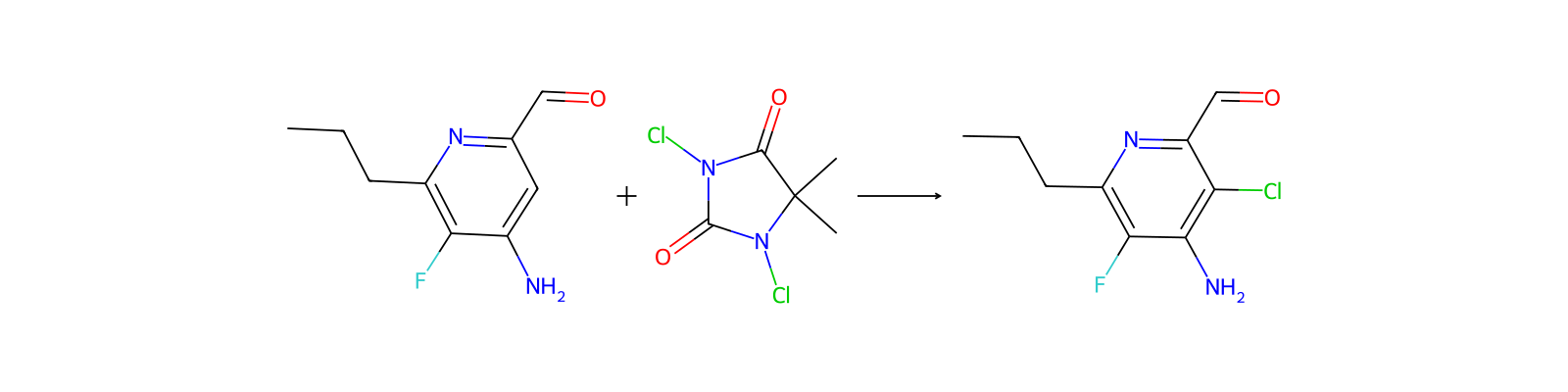
Chlorinating agent, disinfectant, industrial deodorant. In water treatment. Active ingredient of powder laundry bleaches... .
Intermediate for amino acids, drugs, insecticides. Stabilizer for vinyl chloride polymers. Polymerization catalyst.
Dichloro-5,5-dimethylhydantoin was once used as a chemical warfare decontaminating agent.
U.S. Production
2023: 37,830 lb
This chemical is listed as a High Production Volume (HPV) (65FR81686). Chemicals listed as HPV were produced in or imported into the U.S. in >1 million pounds in 1990 and/or 1994. The HPV list is based on the 1990 Inventory Update Rule. (IUR) (40 CFR part 710 subpart B; 51FR21438).
(1986) >500 thousand-1 million pounds
(1990) >500 thousand-1 million pounds
(1994) >1 million-10 million pounds
For more U.S. Production (Complete) data for 1,3-DICHLORO-5,5-DIMETHYLHYDANTOIN (6 total), please visit the HSDB record page.
Consumer UsesIntermediate
Industry UsesIntermediate
Methods of ManufacturingPrepared by passing chlorine through an aqueous solution of 5,5-dimethylhydantoin: ... . Purification by dissolving in concentrated H2SO4 and diluting with ice-water: Lorenz, US patent 2,828,308 (1958 to Purex).
Formulations/PreparationsGrades: Technical
Household ProductsInformation on 17 consumer products that contain 1,3-Dichloro-5,5-dimethylhydantoin in the following categories is provided:
General Manufacturing Information
Pesticide, Fertilizer, and Other Agricultural Chemical Manufacturing
2,4-Imidazolidinedione, 1,3-dichloro-5,5-dimethyl-: ACTIVE
.../Contains/ a minimum of 66% "available chlorine" by weight.
... A maximal level of 10 ppm has been recommended for its use as a sanitizing agent in swimming pools. This limit is based on accidental swallowing of 100 to 200 mL of pool water.
Agent for keeping cut flowers fresh in vases.
Serves as a mild bleach by slowly releasing active chlorine.
응용 분야
용도Dantoin(R) DCDMH is an industrial bleaching agent based on dimethyl hydantoin. This product finds application wherever solid bleach is desired.
일반 설명White powder with a weak chlorine odor. Conflagrates at 414°F (turns brown). Chlorine gas evolves > 410°F.
상·하류 제품 정보
상류 원료
하류 제품
공급사50 곳
国药集团化学试剂有限公司86-21-63210123 · [email protected]
梯希爱(上海)化成工业发展有限公司021-67121386 · [email protected]
衢州润东化工有限公司0570-8789886 18892685668 · [email protected]
南京兰亚化工贸易有限公司+86-25-8331-5620 · [email protected]
北京安司莫森技术有限公司010-82954736 13391601435 · [email protected]
韶远科技(上海)有限公司021-50795510 4000665055 · [email protected]
上海将来实业股份有限公司400-0066400 13621662912 · [email protected]
Syntechem Co.,Ltd[email protected]
武汉易泰科技有限公司上海分公司18930552037 · [email protected]
阿法埃莎(中国)化学有限公司400-6106006 · [email protected]
安耐吉化学&3A(安徽泽升科技股份有限公司)400-0056266 · [email protected]
上海瀚鸿科技股份有限公司021-54306202 13764082696 · [email protected]
合肥天健化工有限公司551-65418679 15856988503;15837135945 · [email protected]
武汉诺必果生物科技有限公司15972140806 15972140806 · [email protected]
玛雅试剂+86 (573) 82222445 (0)18006601000 452520369 · [email protected]
四川库利南科技有限公司400-1166-196 18981987031 · [email protected]
天津希恩思生化科技有限公司400 638 7771 · [email protected]
湖南汇百侍生物科技有限公司0731-85526065 13308475853 · [email protected]
Connect Chemicals GmbH+49 2102 2077 19 · [email protected]
河南多贝化工有限公司0370-2785118 17550508557 · [email protected]
上海思域化工科技有限公司86-21-34053660 · [email protected]
赛默飞世尔科技(中国)有限公司800-810-5118 · [email protected]
北京伊诺凯科技有限公司400-810-7969 010-59572699 · [email protected]
上海遐瑞医药科技有限公司+86 21 61551611
江苏艾康生物医药研发有限公司025-66113011 13913916777 · [email protected]
TCI AMERICA800-4238616 · [email protected]
TOKYO CHEMICAL INDUSTRY CO., LTD.03-36680489 · [email protected]
TCI Europe320-37350700 · [email protected]
深圳康特腾科技有限公司86-0755-86635001 · [email protected]
上海将来实业股份有限公司400-0066400 13621662912 · [email protected]
上海将来实业股份有限公司021-61552785 · [email protected]
日照力德士化工有限公司010-51268198 · [email protected]
郑州鸿晟医药科技有限公司0371-0371-13526885213 15637198702 · [email protected]
美岚实业(上海)有限公司021-58958189 · [email protected]
上海爱蝶实业有限公司021-58957966 18930537195 · [email protected]
成都零六生物科技有限公司400-1166-196 13458535857 · [email protected]
上海德榜化工有限公司021-61531158 · [email protected]
上海鑫圭生物科技有限公司15121041756 · [email protected]
上海麦克林生化科技股份有限公司15221275939 15221275939 · [email protected]
上海嵩爰化工科技有限公司010-1234567 18521000990 · [email protected]
上海有朋化工有限公司021-69005955 13701776567 · [email protected]
北京海力扬化学科技有限公司13718199399 · [email protected]
北京欣赛维化学科技有限公司010-56218822 13717722232 · [email protected]
四川海诺威科技有限公司13708085536 13708085536 · [email protected]
上海凯赛化工有限公司021-33516722 13701817765 · [email protected]
上海彤源化工有限公司021-021-69182866 13701855675 · [email protected]
济南琳盛化工有限公司18769772272 · [email protected]
上海孚一生物科技有限公司+86 (21) 61124340
北京华扬致成科技有限公司13716033033 · [email protected]
上海蓝润化学有限公司021-69515658 ; 69515628 13701998368 · [email protected]
추가 설명
정의Methionine hydroxy analog c. 90%.
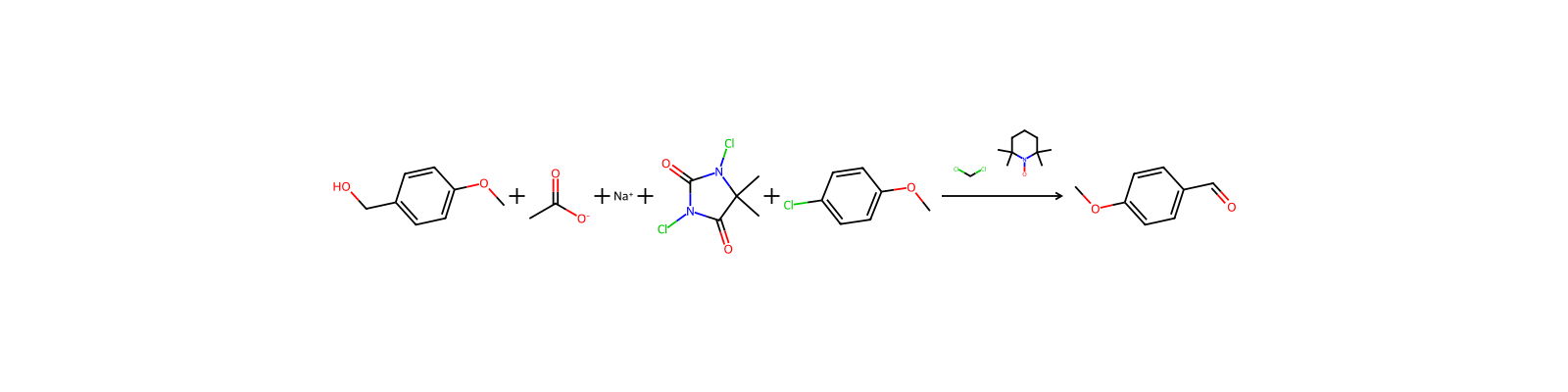
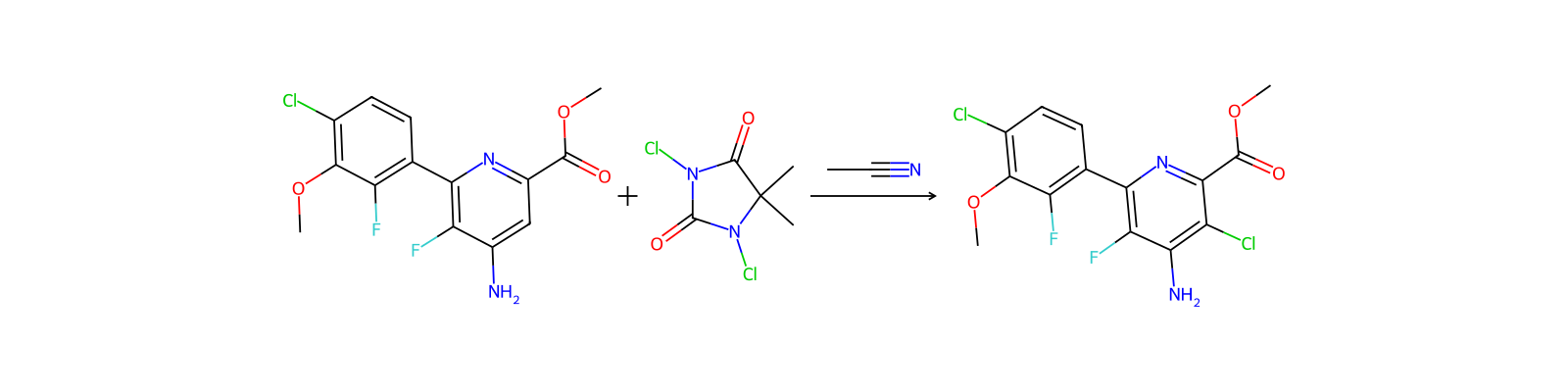
관련 반응
84건




연결된 노트
불러오는 중…