홈MCP워크벤치Skills
홈워크벤치알림마이페이지
llms.txt · MCP 가이드개인정보처리방침 · 이용약관 · 지원v1.8.0
  1. 홈
  2. /화합물

헤리오트로핀

Piperonal

HCID 8438
새 노트새 반응견적 요청하기
인쇄 미리보기

데이터를 보충하는 중입니다. 잠시 후 페이지를 새로 고치면 최신 내용을 볼 수 있습니다

기본 정보개요이름 및 식별자물성안전 및 규제화학 및 산업관련 반응화합물 노트
부분 구조 검색유사 구조 찾기

기본 정보

CAS
120-57-0
표준 SMILES
O=Cc1ccc2c(c1)OCO2
InChIKey
SATCULPHIDQDRE-UHFFFAOYSA-N
분자식
C8H6O3
평균 분자량
150.13 g/mol
단동위원소 질량
150.03169405

개요

Piperonal appears as colorless lustrous crystals. (NTP, 1992)

이름 및 식별자

우선 이름
Piperonal
IUPAC
1,3-benzodioxole-5-carbaldehyde
현지명
헤리오트로핀
영어명
Piperonyl aldehyde
분자식
C8H6O3
분자량
150.13

이름 및 동의어

PIPERONAL120-57-0HeliotropinHeliotropinePiperonyl aldehydePiperonaldehyde1,3-Benzodioxole-5-carbaldehydeGeliotropinPiperonylaldehyde3,4-Methylenedioxybenzaldehyde1,3-Benzodioxole-5-carboxaldehyde3,4-(Methylenedioxy)benzaldehyde
이름 더 보기
디옥시에틸렌프로트카테큐알데히드피페로날헤리오트로핀헬리오트로핀Benzo[d][1,3]dioxole-5-carbaldehydeHeliotroprinFEMA 2911
5-Formyl-1,3-benzodioxoleProtocatechuic aldehyde methylene ether3,4-Dihydroxybenzaldehyde methylene ketal3,4-DimethylenedioxybenzaldehydeFEMA No. 29112H-1,3-Benzodioxole-5-CarbaldehydeDioxymethylene protocatechuic aldehydeBenzaldehyde, 3,4-(methylenedioxy)-

데이터베이스 식별자

CAS
120-57-0
PubChem CID
8438
DTXSID
DTXSID7025924
ChEMBL
CHEMBL271663
ChEBI
CHEBI:8240
UNII
KE109YAK00
EC Number
204-409-7
Nikkaji
J2.919J

물성

구조 계산 물성보충 중

XLogP
1.1
극성 표면적
35.5 Ų
수소 결합 공여자 수
0
수소 결합 수용자 수
3
회전 가능 결합 수
1
무거운 원자 수
11
형식 전하
0
복잡도
157

실험 및 물리화학적 성질

Chemical ClassesBiological Agents -> Plant Oils and Extracts
DrugsPharmaceuticals -> Synthetic Cannabinoids or Psychoactive Compounds
CosmeticsMasking; Skin conditioning
pHSolution (1 to 10) acid to litmus
SpringerMaterials PropertiesBoiling point
FragrancesFragrance Ingredient (Piperonal) -> IFRA transparency List
LogP · 3건

log Kow = 1.05

1.05

1.05

Odor · 4건

Heliotrope odor

Floral odor

Sweet, flowery odor reminiscent of heliotrope

Sweet-floral, slightly spicey, heliotrope-like odor

TasteBittersweet taste
Food AdditivesFLAVORING AGENT OR ADJUVANT -> FDA Substance added to food
Flavoring AgentsEU Flavoring substances

안전 및 규제

안전 정보는 참고용이며, 공급업체의 물질안전보건자료(SDS), 관련 법규 및 전문가 평가를 대체하지 않습니다.

GHS 분류

GHS Classification · 6건

This chemical does not meet GHS hazard criteria for 15.9% (329 of 2063) of reports.

Warning

H317 (81.6%): May cause an allergic skin reaction [Warning Sensitization, Skin]

P261, P272, P280, P302+P352, P321, P333+P317, P362+P364, and P501 (click each P-code to see the statement)

Aggregated GHS information provided per 2063 reports by companies from 14 notifications to the ECHA C&L Inventory.

Danger

유해성 정보

Regulatory Information · 6건

Chemical: 1,3-Benzodioxole-5-carboxaldehyde

List I Chemical: A chemical specified by regulation that, in addition to legitimate uses, is used in manufacturing a controlled substance in violation of the Act and is important to the manufacture of a controlled substance. (21 eCFR 1310.02)

Commission Regulation (EC) No 1565/2000 (Repealed by Com. Implementing Reg. (EU) No 872/2012)

1,3-Benzodioxole-5-carboxaldehyde is listed on the EPA's Chemical Data Reporting (CDR) system. Manufacturers and importers of 1,3-Benzodioxole-5-carboxaldehyde are required to report information about their production and use of this chemical to the EPA under the Toxic Substances Control Act (TSCA). (40 eCFR Part 711)

REACH registered substance: Piperonal (EC: 204-409-7)

Piperonal: Does not have an individual approval but may be used under an appropriate group standard

Other Safety InformationIMAP assessments - 1,3-Benzodioxole-5-carboxaldehyde: Human health tier I assessment
Fire HazardsFlash point data for this compound are not available. It is probably combustible. (NTP, 1992)
Fire PotentialCombustible when exposed to heat or flames
Health HazardsSYMPTOMS: Symptoms of exposure to this compound may include depression of the central nervous system and local irritation.

화학 및 산업

약리 정보

Metabolism/Metabolites · 5건

Paths of metabolism: piperonal converted to piperonyl alcohol which is metabolized to glucoside conjugate. /From table/

In houseflies piperonal is metabolized to piperonylic acid which can be converted to a glycine conjugate or to an alanine conjugate or a glutamine conjugate. The alanine conjugate is further converted to a serine conjugate and the glutamine conjugate to a glutamate conjugate. /From table/

In rats piperonal is metabolized to piperonylic acid which is converted to glucuronide or to a glycine conjugate. /From table/

The beta-glucoside of piperonyl alcohol has also been found after injection of...piperonal into houseflies.

For more Metabolism/Metabolites (Complete) data for Piperonal (7 total), please visit the HSDB record page.

Cellular LocationsCytoplasm

용도 및 제조

Uses · 6건

Found in various essential oils; Used in fragrances, flavoring agents, and suntan preparations; Also used as a mosquito repellent, laboratory reagent, organic intermediate, and synergist for pyrethrum and rotenone; [HSDB]

Farming (Pesticides) [Category: Industry]

Reported uses (ppm):

Has been used as pediculicide

Perfumery, suntan preparations, mosquito repellent, laboratory reagent, flavoring.

In perfumery, in cherry and vanilla flavors, in organic syntheses.

U.S. Exports(1984) 1.5X10+9 g/HELIOTROPIN, EUGENOL, GERANIOL, CITRONELLAL, ISOEUGENOL AND HYDROXYCITRONELLAL/
U.S. Imports · 3건

(1972) 8.92X10+7 G

(1975) 5.97X10+7 G

(1983) 5.0X10+6 g

U.S. Production · 4건

2023: 8,500,000 - <10,000,000 lb

(1972) 5.63X10+7 G

(1975) GREATER THAN 4.54X10+5 G

Non-confidential 2016 Chemical Data Reporting (CDR) information on the production and use of chemicals manufactured or imported into the United States. Chemical: Piperonal:

관련 반응

401건
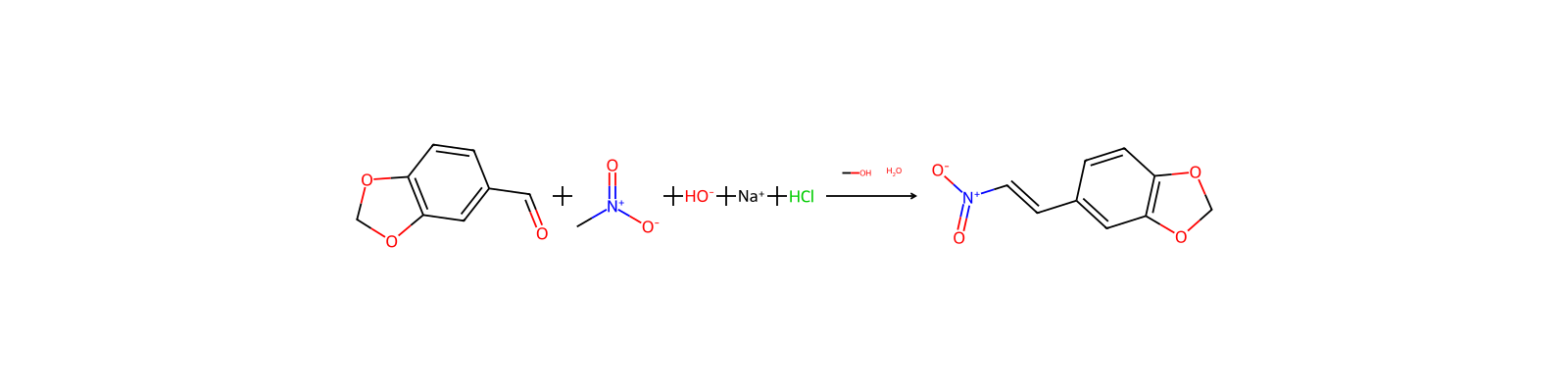
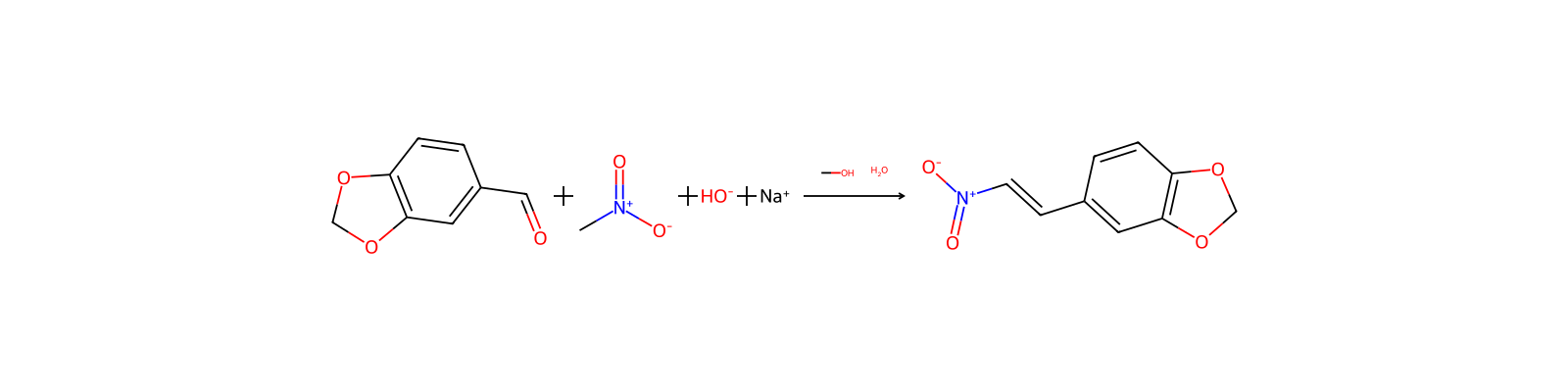
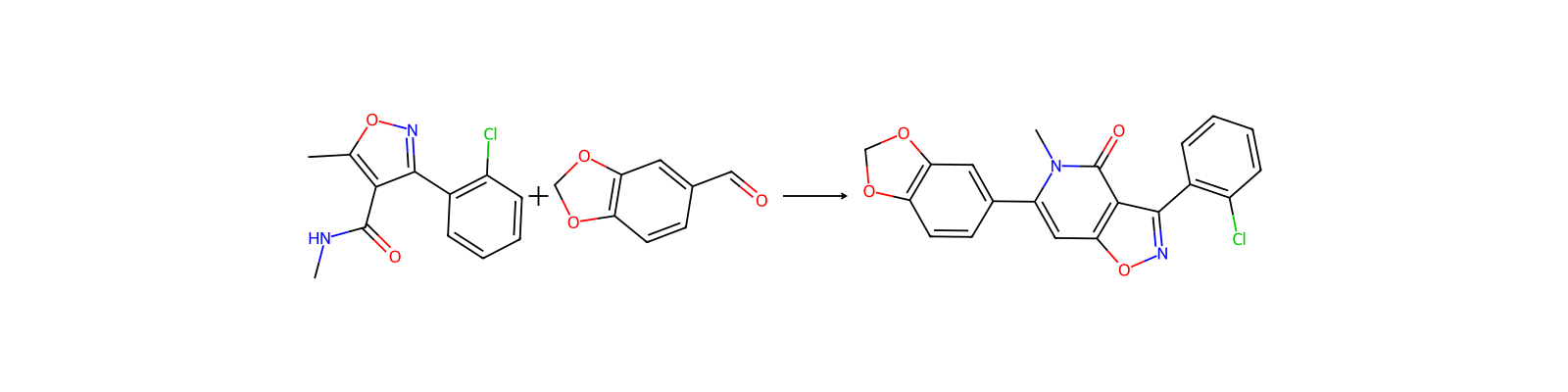
반응 기록 만들기
HRID 2907 반응식
HRID 2907반응물로uspto-grants-1998_03
HRID 3000 반응식
HRID 3000반응물로uspto-grants-1998_03
HRID 3006 반응식
HRID 3006반응물로uspto-grants-1998_03
HRID 8312 반응식
HRID 8312반응물로uspto-grants-2006_08
HRID 8962 반응식
HRID 8962반응물로uspto-grants-2006_08
HRID 24024 반응식
HRID 24024반응물로uspto-grants-2005_02
HRID 38709 반응식
HRID 38709반응물로uspto-grants-2013_09
HRID 40613 반응식
HRID 40613반응물로uspto-grants-2013_09
1 / 51 페이지

화합물 노트

불러오는 중…

이 페이지에서기본 정보개요이름 및 식별자물성안전 및 규제화학 및 산업관련 반응화합물 노트
더보기
새 노트새 반응견적 요청하기
Color/Form · 4건

Colorless, lustrous crystals

White or colorless crystals

Turns brown on exposure to light

Forms white crystals (MP 37 °C)

물리화학적 성질

녹는점
35 · 35-39 °C(lit.)
끓는 점
264 °C · 264 °C(lit.)
밀도
1.2645 · 1.2645 (rough estimate)
증기압
1 mm · 1 mm Hg ( 87 °C)
굴절률
1.45 · 1.4500 (estimate)
FEMA
2911 · 2911 | PIPERONAL
인화점
230 °F · >230 °F
저장 조건
Dark Room
용해도
0.1 g/mL, · 메탄올: 0.1 g/mL, 투명
물리적 상태
결정성 고체
냄새
100 %에서 · 100.00%에서. 헬리오트로프 꽃 달콤한 가루 코코넛 바닐라
냄새 유형
꽃향기
수용성
약간 용해됨
JECFA Number
896 · 896
Merck
13 · 13,7556
BRN
131691 · 131691
Henry's Law Constant
1.8 · 1.8×101 mol/(m3Pa) at 25℃, Duchowicz et al. (2020)
안정성
안정적이지만 공기와 빛에 민감합니다. 타기 쉬운. 강한 산화제, 염기와 호환되지 않습니다.
화장품 원료 기능
향수향기
LogP
1.2 at · 1.2 at 35℃
NIST
Piperonal(120-57-0)
EPA
Piperonal (120-57-0)

화학적 성질

white crystalline solid

Hazards Summary · 1건

A skin irritant; May cause CNS depression; Emergency treatment: Irritants; [HSDB] An irritant; May cause CNS depression; [CAMEO] Safe when used as a flavoring agent in food; [JECFA] Caused hepatocellular necrosis in rats receiving intermittent doses for 6 weeks at >2100 mg/kg; [RTECS]

FDA Requirements · 2건

Synthetic flavoring substances and adjuvants /for animal drugs, feeds, and related products/ that are generally recognized as safe for their intended use, within the meaning of section 409 of the Act. Piperonal is included on this list.

Synthetic flavoring substances and adjuvants /for human consumption/ that are generally recognized as safe for their intended use, withn the meaning of section 409 of the Act. Piperonal is included on this list.

Reactive GroupAldehydes
TSCA Requirements · 2건

Section 8(a) of TSCA requires manufacturers of this chemical substance to report preliminary assessment information concerned with production, exposure, and use to EPA as cited in the preamble in 51 FR 41329. Effective date: 9/30/91; Reporting date: 11/27/91.

Pursuant to section 8(d) of TSCA, EPA promulgated a model Health and Safety Data Reporting Rule. The section 8(d) model rule requires manufacturers, importers, and processors of listed chemical substances and mixtures to submit to EPA copies and lists of unpublished health and safety studies. 1,3-Benzodioxole-5-carboxaldehyde is included on this list. Effective date: 9/30/91; Sunset date: 6/30/98.

Reactivity Profile · 1건

PIPERONAL is an aldehyde. Aldehydes are frequently involved in self-condensation or polymerization reactions. These reactions are exothermic; they are often catalyzed by acid. Aldehydes are readily oxidized to give carboxylic acids. Flammable and/or toxic gases are generated by the combination of aldehydes with azo, diazo compounds, dithiocarbamates, nitrides, and strong reducing agents. Aldehydes can react with air to give first peroxo acids, and ultimately carboxylic acids. These autoxidation reactions are activated by light, catalyzed by salts of transition metals, and are autocatalytic (catalyzed by the products of the reaction). The addition of stabilizers (antioxidants) to shipments of aldehydes retards autoxidation. This compound is sensitive to light. This compound may react with oxidizing materials. (NTP, 1992)

Air and Water ReactionsSlightly water soluble (NTP, 1992).
Toxic Combustion ProductsCarbon oxides

안전 및 보호

Fire FightingFires involving this material should be controlled using a dry chemical carbon dioxide or Halon extinguisher. (NTP, 1992)
First Aid · 1건

EYES: First check the victim for contact lenses and remove if present. Flush victim's eyes with water or normal saline solution for 20 to 30 minutes while simultaneously calling a hospital or poison control center. Do not put any ointments, oils, or medication in the victim's eyes without specific instructions from a physician. IMMEDIATELY transport the victim after flushing eyes to a hospital even if no symptoms (such as redness or irritation) develop.

Fire Fighting ProceduresSuitable extinguishing media: Use water spray, alcohol-resistant foam, dry chemical or carbon dioxide. Advice for firefighters: Wear self-contained breathing apparatus for firefighting if necessary.
Storage Conditions · 2건

Keep container tightly closed in a dry and well-ventilated place. Light sensitive. Storage class (TRGS 510): Non Combustible Solids

Keep in cool place protected from light.

Cleanup Methods · 1건

ACCIDENTAL RELEASE MEASURES: Personal precautions, protective equipment and emergency procedures: Use personal protective equipment. Avoid dust formation. Avoid breathing vapors, mist or gas. Ensure adequate ventilation. Avoid breathing dust. Environmental precautions: Prevent further leakage or spillage if safe to do so. Do not let product enter drains. Discharge into the environment must be avoided. Methods and materials for containment and cleaning up: Pick up and arrange disposal without creating dust. Sweep up and shovel. Keep in suitable, closed containers for disposal

Nonfire Spill Response · 1건

SMALL SPILLS AND LEAKAGE: Should a spill occur while you are handling this chemical, FIRST REMOVE ALL SOURCES OF IGNITION, then you should dampen the solid spill material with ethanol and transfer the dampened material to a suitable container. Use absorbent paper dampened with ethanol to pick up any remaining material. Seal the absorbent paper, and any of your clothes, which may be contaminated, in a vapor-tight plastic bag for eventual disposal. Solvent wash all contaminated surfaces with ethanol followed by washing with a soap and water solution. Do not reenter the contaminated area until the Safety Officer (or other responsible person) has verified that the area has been properly cleaned.

Disposal Methods · 2건

SRP: Recycle any unused portion of the material for its approved use or return it to the manufacturer or supplier. Ultimate disposal of the chemical must consider: the material's impact on air quality; potential migration in air, soil or water; effects on animal, aquatic and plant life; and conformance with environmental and public health regulations. If it is possible or reasonable use an alternative chemical product with less inherent propensity for occupational harm/injury/toxicity or environmental contamination.

Product: Offer surplus and non-recyclable solutions to a licensed disposal company. Contact a licensed professional waste disposal service to dispose of this material. Contaminated packaging: Dispose of as unused product.

Preventive Measures · 5건

Gloves must be inspected prior to use. Use proper glove removal technique (without touching glove's outer surface) to avoid skin contact with this product. Dispose of contaminated gloves after use in accordance with applicable laws and good laboratory practices. Wash and dry hands.

Avoid contact with skin and eyes. Avoid formation of dust and aerosols. Further processing of solid materials may result in the formation of combustible dusts. The potential for combustible dust formation should be taken into consideration before additional processing occurs. Provide appropriate exhaust ventilation at places where dust is formed.

ACCIDENTAL RELEASE MEASURES: Personal precautions, protective equipment and emergency procedures: Use personal protective equipment. Avoid dust formation. Avoid breathing vapors, mist or gas. Ensure adequate ventilation. Avoid breathing dust. Environmental precautions: Prevent further leakage or spillage if safe to do so. Do not let product enter drains. Discharge into the environment must be avoided.

Handle in accordance with good industrial hygiene and safety practice. Wash hands before breaks and at the end of workday.

For more Preventive Measures (Complete) data for Piperonal (6 total), please visit the HSDB record page.

Personal Protective Equipment (PPE) · 5건

RECOMMENDED RESPIRATOR: Where the neat test chemical is weighed and diluted, wear a NIOSH-approved half face respirator equipped with an organic vapor/acid gas cartridge (specific for organic vapors, HCl, acid gas and SO2) with a dust/mist filter. (NTP, 1992)

Eye/face protection: Safety glasses with side-shields conforming to EN166. Use equipment for eye protection tested and approved under appropriate government standards such as NIOSH (US) or EN 166 (EU).

Skin protection: Handle with gloves.

Body Protection: Impervious clothing. The type of protective equipment must be selected according to the concentration and amount of the dangerous substance at the specific workplace.

Respiratory protection: For nuisance exposures use type P95 (US) or type P1 (EU EN 143) particle respirator. For higher level protection use type OV/AG/P99 (US) or type ABEK-P2 (EU EN 143) respirator cartridges. Use respirators and components tested and approved under appropriate government standards such as NIOSH (US) or CEN (EU).

독성 정보

Interactions · 1건

SCOPE: Piperonal is an aromatic compound found in vanilla and has a floral odor resembling vanillin. This study was aimed to test whether piperonal attenuates visceral adiposity induced by a high-fat diet (HFD) in mice and to explore the underlying molecular mechanisms. METHODS AND RESULTS: Male C57BL/6N mice were fed a normal diet, HFD, or 0.05% piperonal-supplemented HFD (PSD) for 10 weeks. PSD-fed mice showed attenuation of body weight gain, total visceral fat pad weights, and plasma lipid levels compared to HFD-fed mice. Piperonal supplementation of the HFD increased the mRNA expression of certain isotypes of adenylate cyclase (Adcy) and protein kinase A (PKA) in the white adipose tissue (WAT) of mice. The adipogenesis-related genes were downregulated, whereas fatty acid oxidation- and thermogenesis-related genes were upregulated in the WAT of PSD-fed mice compared to those in HFD-fed mice. Piperonal directly activated Adcy by decreasing the Km for its substrate (ATP) in plasma membranes prepared from the WAT of mice. Furthermore, piperonal-induced inhibition of adipocyte differentiation and elevation of Adcy and PKA activities in 3T3-L1 cells were abrogated by an Adcy inhibitor. CONCLUSION: The anti-adipogenic effect of piperonal in mice fed the high-fat diet appears to be associated with increased Adcy-PKA signaling in WAT.

Ecotoxicity ValuesEC50; Species: Apis mellifera (Honeybee) environmental, unspecified route of exposure >4.97 mg/sq cm for 24 hr; Effect: feeding behavior (deterred feeding)
Environmental Fate · 3건

TERRESTRIAL FATE: Based on a classification scheme(1), an estimated Koc value of 24(SRC), determined from a log Kow of 1.05(2) and a regression-derived equation(3), indicates that piperonal is expected to have very high mobility in soil(SRC). Volatilization of piperonal from moist soil surfaces is not expected to be an important fate process(SRC) given an estimated Henry's Law constant of 5.6X10⁻⁷ atm-cu m/mole(SRC), derived from its vapor pressure, 0.01 mm Hg(4), and water solubility, 3,500 mg/L(5). Piperonal has a vapor pressure of 0.01 mm Hg(4) and exudes a floral odor under environmental conditions: therefore, piperonal may volatilize from dry soil(SRC). Utilizing the Japanese MITI test, 88% of the Theoretical BOD was reached in 2 weeks(6) indicating that biodegradation is an important environmental fate process in soil(SRC).

AQUATIC FATE: Based on a classification scheme(1), an estimated Koc value of 24(SRC), determined from a log Kow of 1.05(2) and a regression-derived equation(3), indicates that piperonal is not expected to adsorb to suspended solids and sediment(SRC). Volatilization from water surfaces is not expected(4) based upon an estimated Henry's Law constant of 5.6X10⁻⁷ atm-cu m/mole(SRC), derived from its vapor pressure, 0.01 mm Hg(5), and water solubility, 3,500 mg/L(6). According to a classification scheme(7), an estimated BCF of 2.3(SRC), from its log Kow(2) and a regression-derived equation(3), suggests the potential for bioconcentration in aquatic organisms is low(SRC). Utilizing the Japanese MITI test, 88% of the Theoretical BOD was reached in 2 weeks(8) indicating that biodegradation is an important environmental fate process in water(SRC).

ATMOSPHERIC FATE: According to a model of gas/particle partitioning of semivolatile organic compounds in the atmosphere(1), piperonal, which has a vapor pressure of 0.01 mm Hg at 25 °C(2), is expected to exist solely as a vapor in the ambient atmosphere. Vapor-phase piperonal is degraded in the atmosphere by reaction with photochemically-produced hydroxyl radicals(SRC); the half-life for this reaction in air is estimated to be 14 hrs(SRC), calculated from its rate constant of 2.9X10⁻¹¹ cu cm/molecule-sec at 25 °C(SRC) that was derived using a structure estimation method(2). Piperonal contains chromophores that absorb at wavelengths >290 nm(3) and, therefore, may be susceptible to direct photolysis by sunlight(SRC).

Food Survey Values · 2건

Piperonal was identified, not quantified, as a volatile component of the aqueous phase of cooked chicken broth(1).

Piperonal has been reported as found in the essential oils of Robinia pseudo-acacia and Eryngium poterium. It has also been detected in the oils of Spirea ulmaria and of leaves of Doryphora sassafras as well as Tahitian and Bourbon vanilla, camphor wood oil, and violet flowers cincrete and absolute, burley tobacco, rabbiteye blueberry, melon, pepper, cooked chicken, sherry and dill(1).

Adverse EffectsNeurotoxin - Other CNS neurotoxin
Toxicity Summary · 1건

IDENTIFICATION AND USE: Piperonal is a solid. It is used in perfumery, flavors, and organic syntheses. A constituent of vanilla and cherry flavors. It has also been used for the treatment of head lice. HUMAN STUDIES: Ten grams of piperonal were ingested by man without any adverse effect. ANIMAL STUDIES: When rats were given 13-115 mg piperonal perorally for 5-9 days, fatty infiltration of the liver parenchymal cells was noted. Intragastric administration of 900 mg/kg bw per day to 3 male and 3 female rats for 4 days produced slight gross liver damage in some animals. Groups of 20 male and 20 female rats were fed on diets containing 0, 0.1 and 0.5 % piperonal for 2 years without any specific adverse effect. Based of a feeding study in rats at 500 mg/kg bw per day for a period of 15 weeks NOAEL of 500 mg/kg bw was determined. Piperonal was positive in the Bacillus subtilis DNA-repair test (Rec assay) without metabolic activation, but it was negative when tested in the Ames Salmonella reversion assay or in the Escherichia coli WP2 uvrA reversion test.

Plant ConcentrationsPiperonal occurrence in plants(1).[Table#1677]
Ongoing Test Status · 2건

The following link will take the user to the National Toxicology Program (NTP) Test Status of Agents Search page, which tabulates the results and current status of tests such as "Short-Term Toxicity Studies", "Long-term Carcinogenicity Studies", "Developmental Studies", "Genetic Toxicology Studies", etc., performed with this chemical. Testing status for piperonal is available.[Available from, as of February 1, 2019: https://ntpsearch.niehs.nih.gov/?e=True&ContentType=Testing+Status]

EPA has released the Interactive Chemical Safety for Sustainability (iCSS) Dashboard. The iCSS Dashboard provides an interactive tool to explore rapid, automated (or in vitro high-throughput) chemical screening data generated by the Toxicity Forecaster (ToxCast) project and the federal Toxicity Testing in the 21st century (Tox21) collaboration. /The title compound was tested by ToxCast and/or Tox21 assays/[USEPA; ICSS Dashboard Application; Available from, as of February 4, 2019: http://actor.epa.gov/dashboard/]

Soil Adsorption/Mobility · 1건

The Koc of piperonal is estimated as 24(SRC), using a log Kow of 1.05(1) and a regression-derived equation(2). According to a classification scheme(3), this estimated Koc value suggests that piperonal is expected to have very high mobility in soil(SRC).

TSCA Test Submissions · 3건

Piperonal (CAS # 120-57-0) was evaluated for acute dermal toxicity. The test substance was applied at a dose of 5.0 g/kg body weight to the unoccluded scapular region of 8 male and 8 female albino rats (Sprague-Dawley CD strain). No clinical signs or deaths occurred. All of the animals remained healthy and gained weight, except for 1 female who lost 10 grams in 14 days. At necropsy, there were no treatment-related signs. The dermal LD50 was determined to be greater than 5.0 g/kg body weight.

Piperonal (CAS # 120-57-0) was evaluated for primary dermal irritation. The test substance was applied to the cuff of 8 guinea pigs (sex and strain not indicated) at a dose range of 0.25-1.0 mg/kg. Strong skin irritation was evident at 24 hours with slight to gross edema and slight to severe erythema. At 48 hours, slight to moderate edema and erythema was found with eschar formation and necrotic area over part or all of the patch. At 1-week and 2-week observation, desquamation and alopecia was evident.

Piperonal (CAS # 120-57-0) was evaluated for primary eye irritation. Several dry crystals of the test substance were administered to 3 unwashed and 3 washed eyes of rabbits (sex and strain not indicated). Observations after 48 hours indicated that two rabbits (1 unwashed, 1 washed) had slight erythema on the nictating membrane. All animals were normal after 14 days.

Natural Pollution SourcesPiperonal occurs in a number of plants(1) and essential oils, but never as the main component in the later(2).
Human Toxicity Excerpts · 2건

/HUMAN EXPOSURE STUDIES/ Ten grams have been ingested by man without any adverse effect.

/EPIDEMIOLOGY STUDIES/ Background. Many families find regular checking of children's heads for head louse infestation too onerous and would prefer to be able to prevent infestation by use of a topical application that deters lice from infesting the head. Identification in the laboratory of a repellent activity for piperonal provided the basis for developing a spray product to repel lice. Methods. A proof of principle field study in Dhaka, Bangladesh, compared the effect of using 2% piperonal spray with that of a placebo in 105 children and adults from three communities with infestation levels close to 100%. All participants were treated for infestation and subsequent incidence of reinfestation monitored daily by investigators. A second randomised, controlled, double blind, study in North London, UK, evaluated the effect of the product in normal use. One hundred and sixty-three children from schools with a high level (20-25%) of infestation were treated and confirmed louse free and randomly divided between 2% piperonal, a placebo spray, and a control group for up to 22 weeks. Parents applied the spray and monitored for infestation. Regular investigator visits confirmed the parental monitoring and replenished supplies of spray. Results. In Dhaka, over 18 days there were only 4 infestations in the piperonal group and 8 in the placebo group. This difference was not significant (p = 0.312). In North London, there were 41 cases of infestation over the course of the study. Although there were fewer infestations in the piperonal group, analysis of time to first infestation showed a no significant (p = 0.4368) difference between groups. Conclusion. Routine use of 2% piperonal spray in communities with a high prevalence of head louse infestation may provide some protection from infestation. However, the difference between use of the product and no active intervention was sufficiently small that regular checking for presence of lice is likely to be a more practical and cost effective approach to prevention of infestation.

규제 정보

FDA Requirements · 2건

Synthetic flavoring substances and adjuvants /for animal drugs, feeds, and related products/ that are generally recognized as safe for their intended use, within the meaning of section 409 of the Act. Piperonal is included on this list.

Synthetic flavoring substances and adjuvants /for human consumption/ that are generally recognized as safe for their intended use, withn the meaning of section 409 of the Act. Piperonal is included on this list.

TSCA Requirements · 2건

Section 8(a) of TSCA requires manufacturers of this chemical substance to report preliminary assessment information concerned with production, exposure, and use to EPA as cited in the preamble in 51 FR 41329. Effective date: 9/30/91; Reporting date: 11/27/91.

Pursuant to section 8(d) of TSCA, EPA promulgated a model Health and Safety Data Reporting Rule. The section 8(d) model rule requires manufacturers, importers, and processors of listed chemical substances and mixtures to submit to EPA copies and lists of unpublished health and safety studies. 1,3-Benzodioxole-5-carboxaldehyde is included on this list. Effective date: 9/30/91; Sunset date: 6/30/98.

안전 데이터

wgk
2
tsca
TSCA listed
rtecs
TO1575000
독성
LD50 orally in rats: 2700 mg/kg (Hagan)
HS 번호
29329300
risk_code
38-52/53
hazard_code
Xi
safety_code
61-24/25
기존화학 물질
KE-02692
F 고인화성물질
8-10-23
유해 물질 데이터
120-57-0(Hazardous Substances Data)
Consumption PatternsAPPROXIMATELY 6.8X10+7 G AS A FRAGRANCE INGREDIENT (1974)
Consumer UsesFragrance
Industry UsesFlavoring and nutrient
Methods of Manufacturing · 5건

Piperonal (3,4-methylenedioxybenzaldehyde) is prepared in 94% yield via ozonolysis and reduction of isosafrole.

By the oxidation of isosafrole with potassium dichromate and sulfuric acid and subsequent steam distillation of piperonal.

Derivation: By oxidation of isosafrole.

The biotransformation of isosafrole by Cladosporium sphaerospermum yielded piperonal, which is a compound of great commercial importance in the flavor and fragrance industries. The experiments were performed in 500-mL conical flasks containing 100 mL of Czapek-modified medium in an orbital shaker with controlled agitation and temperature. Spores of C. sphaerospermum were used as inocula, and after 96 hr of incubation the substrate was added to the culture. Samples of 2 mL were withdrawn at 24-hr intervals and analyzed by gas chromatography, (GC) and/or GC/MS spectroscopy.

For more Methods of Manufacturing (Complete) data for Piperonal (8 total), please visit the HSDB record page.

Formulations/PreparationsGrade: Technical, FCC.
Household ProductsInformation on 91 consumer products that contain Heliotropine in the following categories is provided:
Use Classification · 6건

Fragrance Ingredients

Flavouring Agent -> FLAVOURING_AGENT -> JECFA Functional Classes

Flavoring Agents -> JECFA Flavorings Index

Flavouring Agent -> FLAVOURING_AGENT -> JECFA Functional Classes

Flavouring Agent -> FLAVOURING_AGENT -> JECFA Functional Classes

Flavouring Agent -> FLAVOURING_AGENT -> JECFA Functional Classes

DEA Listed Chemicals · 2건

Piperonal

A chemical specified by regulation that, in addition to legitimate uses, is used in manufacturing a controlled substance in violation of the Act and is important to the manufacture of a controlled substance. (21 eCFR 1310.02)

응용 분야 · 3건

출처Reported found in the essential oils of Robinia pseudo-acacia and Eryngium poterium; in the oils of Spirea ulmaria and of leaves of Doryphora sassafras; also reported found in Tahitian and Bourbon vanilla, camphor wood oil, violet flowers concrete and absolute, burley tobacco, rabbiteye blueberry, melon, pepper, cooked chicken, sherry and dill.

용도Piperonal is an impurity of Tadalafil (T004500). Tadalafil impurity A.

일반 설명Colorless lustrous crystals.

상·하류 제품 정보

상류 원료

Concentrated hydrochloric acid사사프라스뿌리오일설파닐산중크롬산나트륨테트라부틸암모늄 브로마이드이소샤프롤PIPERONYL CHLORIDE A.K.A. 3,4-(METHYLENEDIOXY)-BEN메틸렌디옥시벤젠사프롤Para-포름알데하이드클로로포름중크롬산 칼륨카테콜헥사민Potassium hydroxide-ethanolPiperonyl alcohol

하류 제품

3,4-(메틸렌디옥시)시나믹엑시드, 퍼도미난틀리 트렌스Berberine6-NITROPIPERONAL1-Piperonylpiperazine3-(1,3-벤조디옥솔-5-YL)-2-프로펜오일클로라이드피퍼로닐리산Homopiperonylamine1-(1,3-BENZODIOXOL-5-YL)PROPAN-2-AMINE
추가 설명 · 4건

순도시험(1) 융점 : 이 품목의 융점은 36.0~37.5℃이어야 한다. (2) 용상 : 이 품목 1g을 70% 에탄올 4mL에 녹일 때, 그 액은 징명하여야 한다. (3) 비소 : 이 품목을 비소시험법에 따라 시험할 때, 그 양은 4.0ppm 이하이어야 한다. (4) 납 : 이 품목 5.0g을 취하여 원자흡광광도법 또는 유도결합플라즈마발광광도법에 따라 시험할 때, 그 양은 10.0ppm 이하이어야 한다.

확인시험(1) 이 품목 0.1g을 황산 2mL에 녹인 다음 레소르신알콜용액(1→20) 2방울을 넣으면 암적색을 나타낸다. (2) 이 품목 1g을 가온하여 녹인 다음 아황산수소나트륨시액 5mL를 넣고 흔들어 섞으면서 수욕중에서 가열하면 백색의 결정성덩어리가 생긴다.

정량법이 품목을 건조한 다음 약 1g을 정밀히 달아 향료시험법 중 알데히드류 및 케톤류함량측정법의 히드록실아민법 중 제2법에 따라 시험한다. 단, 방치시간은 15분간으로 한다.0.5N 염산 1mL = 75.07mg C8H6O3

정의ChEBI: An arenecarbaldehyde that is 1,3-benzodioxole substituted by a formyl substituent at position 5. It has been isolated from Piper nigrum.