홈MCP워크벤치Skills
홈워크벤치알림마이페이지
llms.txt · MCP 가이드개인정보처리방침 · 이용약관 · 지원v1.8.0
  1. 홈
  2. /화합물

사이클로펜타논

Cyclopentanone
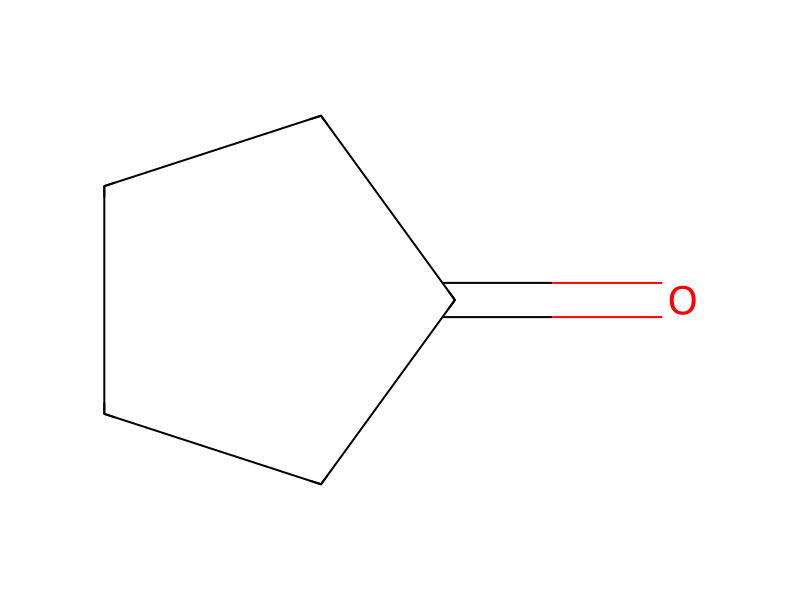
HCID 8452
새 노트새 반응견적 요청하기
인쇄 미리보기
기본 정보개요이름 및 식별자물성안전 및 규제화학 및 산업관련 반응화합물 노트
부분 구조 검색유사 구조 찾기

기본 정보

CAS
120-92-3
표준 SMILES
O=C1CCCC1
InChIKey
BGTOWKSIORTVQH-UHFFFAOYSA-N
분자식
C5H8O
평균 분자량
84.12 g/mol
단동위원소 질량
84.05751487

개요

Cyclopentanone appears as a clear colorless liquid with a petroleum-like odor. Flash point 87 °F. Less dense than water and insoluble in water. Vapors heavier than air.

이름 및 식별자

우선 이름
Cyclopentanone
IUPAC
cyclopentanone
현지명
사이클로펜타논
영어명
Cyclopentanone
분자식
C5H8O
분자량
84.12

이름 및 동의어

CYCLOPENTANONE120-92-3Adipic ketoneKetocyclopentaneKetopentamethyleneDumasinAdipinketonAdipin ketonDTXSID3029154FEMA NO. 3910220W81TN3SNSC-4122
이름 더 보기
사이클로펜타논사이클로펜탄온Cyclopentanone-HGFEMA 3910opentanone
DTXCID209154CHEBI:16486RefChem:5722204-435-9cyclopentan-1-onecyclopentanonoxocyclopentaneNSC 4122

데이터베이스 식별자

CAS
120-92-3
PubChem CID
8452
DTXSID
DTXSID3029154
ChEMBL
CHEMBL18620
ChEBI
CHEBI:16486
UNII
220W81TN3S
EC Number
204-435-9
Nikkaji
J5.333C

물성

구조 계산 물성

XLogP
0.4
극성 표면적
17.1 Ų
수소 결합 공여자 수
0
수소 결합 수용자 수
1
회전 가능 결합 수
0
무거운 원자 수
6
형식 전하
0
복잡도
58.3

실험 및 물리화학적 성질

Chemical ClassesFlammable agents - 3rd degree
SolventsSolvents -> Ketones (<C12)
SpringerMaterials PropertiesSchoenflies notation
LogP0.38
OdorDISTINCTIVE ETHEREAL ODOR, SOMEWHAT LIKE PEPPERMINT
Food AdditivesFLAVORING AGENT OR ADJUVANT -> FDA Substance added to food
Density · 5건

0.94869 at 68 °F (NTP, 1992) - Less dense than water; will float

0.94869 @ 20 °C/4 °C

Relative density (water = 1): 0.95

0.950-0.960

0.95 @ 20°C

Flavoring AgentsEU Flavoring substances
Color/FormWATER-WHITE, MOBILE LIQUID
Solubility · 5건

Sol in alcohol, acetone, ether

Estimated water solubility of 9175 mg/l

Solubility in water: poor

water; miscible in ether

Miscible at room temperature (in ethanol)

안전 및 규제

안전 정보는 참고용이며, 공급업체의 물질안전보건자료(SDS), 관련 법규 및 전문가 평가를 대체하지 않습니다.

GHS 분류

GHS Classification · 6건

Warning

H226: Flammable liquid and vapor [Warning Flammable liquids]

P210, P233, P240, P241, P242, P243, P264, P264+P265, P280, P302+P352, P303+P361+P353, P305+P351+P338, P321, P332+P317, P337+P317, P362+P364, P370+P378, P403+P235, and P501 (click each P-code to see the statement)

This chemical does not meet GHS hazard criteria for 1.8% (12 of 678) of reports.

Warning

H226 (98.2%): Flammable liquid and vapor [Warning Flammable liquids]

유해성 정보

Regulatory Information · 6건

Chemical: Cyclopentanone

Regulation (EC) No 1334/2008 (amended)

Cyclopentanone is listed on the EPA's Chemical Data Reporting (CDR) system. Manufacturers and importers of Cyclopentanone are required to report information about their production and use of this chemical to the EPA under the Toxic Substances Control Act (TSCA). (40 eCFR Part 711)

REACH registered substance: Cyclopentanone (EC: 204-435-9)

Cyclopentanone: Does not have an individual approval but may be used under an appropriate group standard

The New Jersey Worker and Community Right to Know Act requires public and private employers to provide information about hazardous substances at their workplaces. (N.J.S.A. 34:5A-1 et. seq.)

Other Safety InformationIMAP assessments - Cyclopentanone: Human health tier I assessment
DOT LabelFlammable Liquid
Fire Hazards · 3건

Excerpt from ERG Guide 128 [Flammable Liquids (Water-Immiscible)]:

· HIGHLY FLAMMABLE: Will be easily ignited by heat, sparks or flames.

Flammable. Heating will cause rise in pressure with risk of bursting. Gas/air mixtures are explosive.

Fire PotentialDANGEROUS WHEN EXPOSED TO FLAME; CAN REACT WITH OXIDIZING MATERIALS.

화학 및 산업

약리 정보

Metabolism/Metabolites · 2건

... MINOR (1-2%) METABOLITES OF CYCLOPENTANONE ... HAVE BEEN DETECTED IN RAT & RABBIT URINE. 2-HYDROXYCYCLOALKYLMERCAPTURIC ACIDS ... WHICH WERE PRESENT AS ... SULFATE ('DOUBLE CONJUGATE') ... PRESUMABLY FORMED BY DEHYDRATION OF CYCLOALKANOLS (MAJOR METABOLITES) TO CYCLOALKENES WITH SUBSEQUENT EPOXIDATION & MERCAPTURATION.

... RABBITS FED ... /CYCLOPENTANONE/ EXCRETED LARGE AMT (MORE THAN HALF THE DOSE) AS CYCLOPENTYL ... GLUCURONIDE ... MINOR AMT OF SULFATE CONJUGATES WERE ALSO PRESENT.

Cellular LocationsCytoplasm

용도 및 제조

Uses · 2건

Used as intermediate for pharmaceuticals, biologicals, insecticides, and rubber chemicals; [Hawley]

INT FOR PHARMACEUTICALS, BIOLOGICALS, INSECTICIDES, & RUBBER CHEMICALS.

U.S. Imports(1983) 2.00X10+5 g
U.S. Production2023: 5,500,000 - <7,000,000 lb
Consumer UsesFragrance
Industry UsesSolvent
Methods of ManufacturingPREPD BY HEATING ADIPIC ACID TO 285-295 °C IN PRESENCE OF BARIUM HYDROXIDE, DISTILLING, EXTRACTING WITH ETHER & FRACTIONATING.
Formulations/Preparations99+% PURITY GRADE /AVAILABLE FROM COASTAL SPECIALTY CHEMICALS/
Use Classification · 6건

Flavouring Agent -> FLAVOURING_AGENT -> JECFA Functional Classes

Flavoring Agents -> JECFA Flavorings Index

Flavouring Agent -> FLAVOURING_AGENT -> JECFA Functional Classes

Flavouring Agent -> FLAVOURING_AGENT -> JECFA Functional Classes

관련 반응

879건
반응 기록 만들기
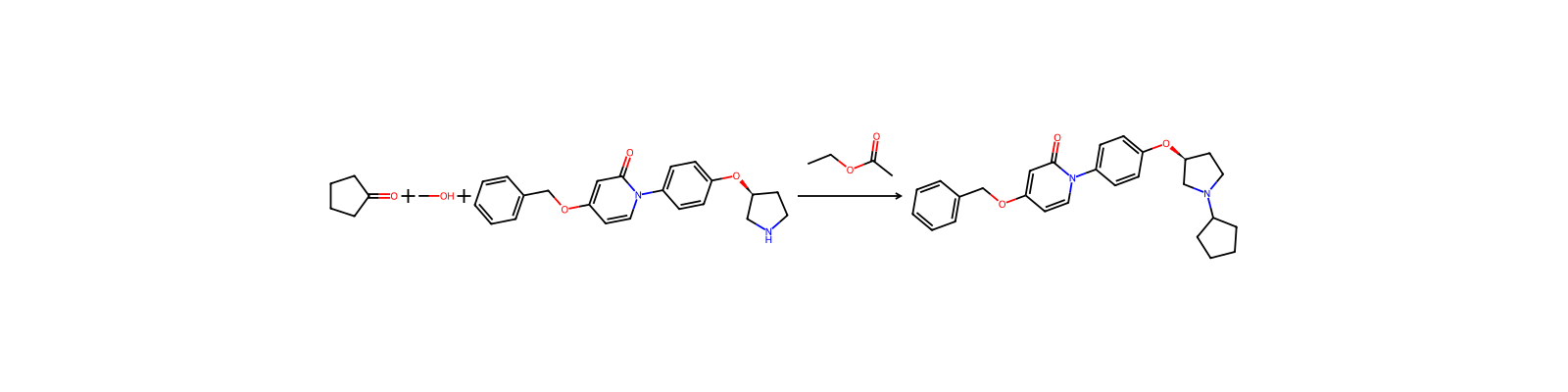
HRID 10961 반응식
HRID 10961반응물로uspto-grants-2006_08
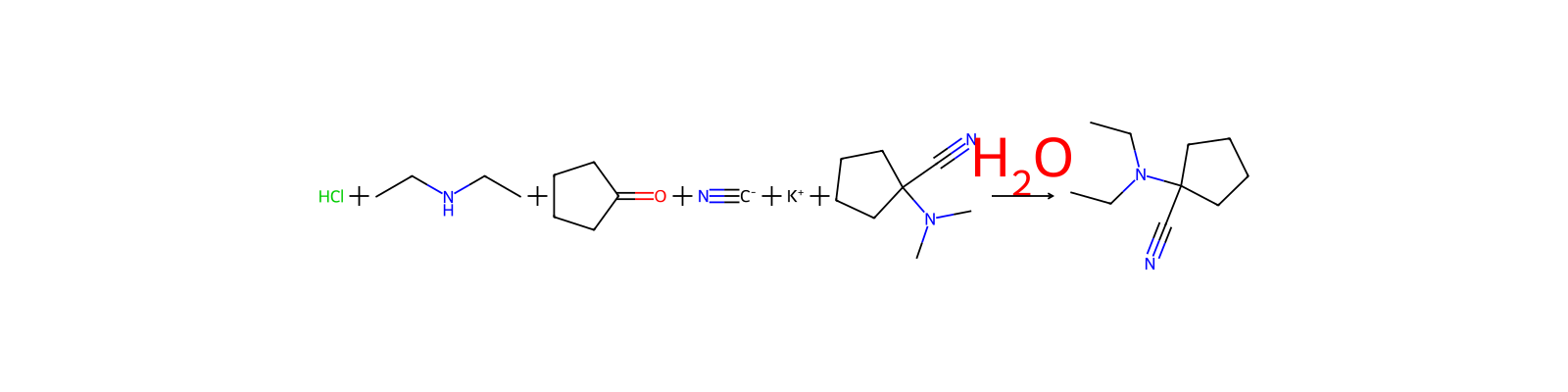
HRID 11416 반응식
HRID 11416반응물로uspto-grants-2006_08
HRID 12885 반응식
HRID 12885반응물로uspto-grants-2010_06
HRID 15036 반응식
HRID 15036반응물로uspto-grants-2010_06
HRID 20783 반응식
HRID 20783반응물로uspto-grants-2010_06
HRID 20784 반응식
HRID 20784반응물로uspto-grants-2010_06
HRID 20790 반응식
HRID 20790반응물로uspto-grants-2010_06
HRID 20792 반응식
HRID 20792반응물로uspto-grants-2010_06
1 / 110 페이지

화합물 노트

불러오는 중…

이 페이지에서기본 정보개요이름 및 식별자물성안전 및 규제화학 및 산업관련 반응화합물 노트
더보기
새 노트새 반응견적 요청하기
Flash Point · 3건

86 °F (NTP, 1992)

87 °F (CLOSED CUP)

26 °C

Boiling Point · 6건

267.17 °F at 760 mmHg (NTP, 1992)

130.6 °C AT 760 MM HG

130.00 to 131.00 °C. @ 760.00 mm Hg

131 °C

130-131 °C

130.6 °C @760 [mm Hg]

물리화학적 성질

녹는점
-51 °C · -51 °C (lit.)
끓는 점
130 · 130-131 °C (lit.)
밀도
0.951 g/mL · 0.951 g/mL at 25 °C (lit.)
증기 밀도
2.97 · 2.97 (vs air)
증기압
11.5 hPa · 11.5 hPa (20 °C)
FEMA
3910 · 3910 | CYCLOPENTANONE
굴절률
20 · n20/D 1.437(lit.)
인화점
87 °F · 87 °F
저장 조건
30 °C · Store below +30°C.
용해도
9.18 g/l · 9.18g/l 약간 용해됨
물리적 상태
액체
색상
무색투명~미황색
냄새
기분 좋은 냄새
냄새 유형
민트 맛
생물학적 소스
synthetic
폭발한계
1.6 · 1.6-10.8%(V)
수용성
실질적으로 불용성
Merck
14 · 14,2743
JECFA Number
1101 · 1101
BRN
605573 · 605573
Henry's Law Constant
1.2 · 1.2×100 mol/(m3Pa) at 25℃, Brockbank (2013)
Dielectric constant
16 · 16.0(-49℃)
안정성
안정적인. 강한 환원제, 강한 산화제, 강한 염기와 호환되지 않습니다.
주요 응용
향료 및 향
화장품 원료 기능
향수
InChI
1S/C5H8O/c6-5-3-1-2-4-5/h1-4H2
InChIKey
BGTOWKSIORTVQH-UHFFFAOYSA-N
SMILES
O=C1CCCC1
LogP
0.7 at · 0.7 at 25℃
표면장력
33.78 mN/m · 33.78mN/m at 298.15K
NIST
Cyclopentanone(120-92-3)
EPA
Cyclopentanone (120-92-3)
화학적 성질 · 1건

Cyclopentanone is a colorless liquid with a pleasant, slightly pepperminty odor. It is soluble in water and miscible with common organic solvents. Cyclopentanone has an agreeable, peppermint-like odor. It tends to polymerize in the presence of acids.

Health Hazards · 2건

Excerpt from ERG Guide 128 [Flammable Liquids (Water-Immiscible)]:

CAUTION: Petroleum crude oil (UN1267) may contain TOXIC hydrogen sulphide gas.

Hazards Summary · 2건

A skin and eye irritant; A possible respiratory tract irritant; Can be absorbed through skin; [ICSC] Inhalation of high concentrations can cause CNS depression; [HSDB] May cause irritation or burns to skin and eyes; [CAMEO] A skin and eye irritant; [eChemPortal: ESIS] Oral LD50 (mouse) = 1820 mg/kg; Effects in high-dose animal studies include somnolence, coma, and other changes to liver; [RTECS] Safe when used as a flavoring agent; [JECFA]

The major hazards encountered in the use and handling of cyclopentanone stem from its toxicologic properties and flammability. Toxic by all routes (ie, inhalation, ingestion, and dermal absorption), exposure to this peppermint-smelling, water-white liquid may occur from its production and use as an intermediate for pharmaceuticals, biologicals, insecticides, and rubber chemicals. Effects from exposure may include contact burns to the skin and eyes, CNS depression, and suffocation. In activities and situations where over-exposure may occur, wear protective clothing and a positive pressure self-contained breathing apparatus. If contact should occur, irrigate exposed eyes with copious amounts of tepid water for at least 15 minutes and wash exposed skin thoroughly with soap and water. Contaminated clothing and shoes should be removed and isolated at the site. Cyclopentanone may be ignited by heat, sparks, or flames (flash point: 87 °F, closed cup), and is dangerously reactive with oxidizing materials. Its heavier-than-air vapor may travel to a source of ignition and flash back, or accumulate to explosive concentrations in confined spaces such as sewers. Also, containers of this substance may explode in the heat of a fire. For fires involving cyclopentanone, extinguish with dry chemical, CO2, water spray, fog, or alcohol-resistant foam. Isolate the area for 1/2 mile in all directions if a tank, rail car, or tank truck is involved in the fire. For small spills of cyclopentanone, take up with sand or other noncombustible absorbent and place into containers for later disposal. Large spills should first be diked far ahead of the spill.

DOT ID and Guide2245 128
Reactive GroupKetones
EC ClassificationSymbol: Xi; R: 10-36/38; S: (2)-23
UN ClassificationUN Hazard Class: 3; UN Pack Group: III
Special Reports · 2건

OPDYKE DL J; FOOD COSMET TOXICOL 17 (3): 271 (1979). REVIEW WITH 23 REFERENCES ON TOXICITY, INHALATION, IRRITATION, SENSITIZATION, METABOLISM, PHARMACOLOGY & CYTOTOXICITY OF CYCLOPENTANONE.

Savolainer H; Nordic Expert Group for Documentation of Occupational Exposure Limits. Arbetarskyddtyrelsen Publikationsservice, 171 84 Solna, Sweden 33 pp. (1985). Literature survey on cyclohexanone and cyclopentanone as background for discussion of occupational exposure limits.

안전 및 보호

Fire Fighting · 2건

Excerpt from ERG Guide 128 [Flammable Liquids (Water-Immiscible)]:

Use powder, AFFF, foam, carbon dioxide. In case of fire: keep drums, etc., cool by spraying with water.

First Aid Measures · 3건

Fresh air, rest. Refer for medical attention.

Rinse and then wash skin with water and soap.

First rinse with plenty of water for several minutes (remove contact lenses if easily possible), then refer for medical attention.

Accidental Release Measures · 2건

· CALL 911. Then call emergency response telephone number on shipping paper. If shipping paper not available or no answer, refer to appropriate telephone number listed on the inside back cover.

· ELIMINATE all ignition sources (no smoking, flares, sparks or flames) from immediate area.

First Aid · 2건

EYES: First check the victim for contact lenses and remove if present. Flush victim's eyes with water or normal saline solution for 20 to 30 minutes while simultaneously calling a hospital or poison control center. Do not put any ointments, oils, or medication in the victim's eyes without specific instructions from a physician. IMMEDIATELY transport the victim after flushing eyes to a hospital even if no symptoms (such as redness or irritation) develop.

General First Aid:

Safe StorageFireproof. Separated from acids. Cool. Keep in the dark. Keep in a well-ventilated room. Store only if stabilized.
Exposure Control and Personal Protection· Wear positive pressure self-contained breathing apparatus (SCBA).
Fire Fighting ProceduresALCOHOL FOAM, CARBON DIOXIDE, DRY CHEM.
Nonfire Spill ResponseExcerpt from ERG Guide 128 [Flammable Liquids (Water-Immiscible)]:
Disposal MethodsThe following wastewater treatment technologies have been investigated for cyclopentanone: concentration process: Biological treatment
Spillage DisposalCollect leaking liquid in sealable containers. Absorb remaining liquid in sand or inert absorbent. Then store and dispose of according to local regulations.
Isolation and Evacuation · 2건

Excerpt from ERG Guide 128 [Flammable Liquids (Water-Immiscible)]:

Immediate precautionary measure

Eye PreventionWear safety goggles.

독성 정보

Environmental Fate · 3건

TERRESTRIAL FATE: Cyclopentanone is not expected to hydrolyse in soils(1), or undergo photolysis on sunlit soil surfaces due to lack of >290 nm UV adsorption(2). A single 5-day BOD screening test, which utilized activated sludge for inocula, suggests that cyclopentanone will biodegrade rapidly upon acclimation in terrestrial environments(3). An estimated Koc of 30(1) indicates cyclopentanone should have a very high mobility in soil(4). A Henry's Law constant of 1.0X10⁻⁵ atm-cu m/mole(5) suggests volatilization of cyclopentanone from moist soils may be an important fate process(1). Based on a vapor pressure of 11.4 mm Hg at 25 °C(6), cyclopentanone should evaporate from dry surfaces, especially when present in high concn such as in spill situations(SRC).

AQUATIC FATE: Cyclopentanone is not expected to hydrolyze(1) or undergo direct photolysis in aquatic systems(2). A single 5-day BOD screening test, which utilized activated sludge for inocula, suggests that cyclopentanone will biodegrade rapidly upon acclimation in natural waters(3). An estimated log bioconcentration factor (log BCF) of -0.05(1) indicates cyclopentanone should not bioconcentrate in aquatic organisms(SRC). An estimated Koc of 30(1) indicates cyclopentanone should not partition from the water column to organic matter contained in sediments and suspended solids(SRC). A Henry's Law constant of 1.0X10⁻⁵ atm-cu m/mole at 25 °C(4) indicates that volatilization of cyclopentanone from natural bodies of water should be an important fate process(1). Based on this Henry's Law constant, the volatilization half-life from a model river has been estimated to be 3.5 days(1,SRC). The volatilization half-life from an model pond, which considers the effect of adsorption, has been estimated to be about 40 days(5,SRC).

ATMOSPHERIC FATE: Based on a vapor pressure of 11.4 mm Hg at 25 °C(1), cyclopentanone is expected to exist almost entirely in the vapor phase in ambient air(2). Vapor phase reactions with photochemically produced hydroxyl radicals in the atmosphere have been shown to be important(SRC). A rate constant for cyclopentanone of 2.94X10⁻¹² cu cm/molecule-sec at 25 °C corresponds to an atmospheric half-life of about 5.5 days at an atmospheric concn of 5X10+5 hydroxyl radicals per cu cm(3). Direct photolysis in air is not expected to be an important environmental fate process(4).

Food Survey ValuesCyclopentanone was identified as a volatile component of baked potatoes produced by the baking process(1).
Adverse EffectsNeurotoxin - Acute solvent syndrome
Exposure RoutesThe substance can be absorbed into the body by inhalation of its vapour, through the skin and by ingestion.
Signs and Symptoms · 3건

Cough. Sore throat.

Redness. Pain.

Redness. Pain.

Effluent Concentrations · 1건

Cyclopentanone was detected in 4 of 7 wastewater effluents from energy related processes(1). A groundwater water sample from a coal gasification facility in Hanna, WY contained cyclopentanone at an average concn of 32 ppb; the process water at a coal gasification facility in Gillette, WY contained cyclopentanone at an average concn of 110 ppb; effluent from the gasification of Rosebud coal in Morgantown, WV contained cyclopentanone at an average concn of 56 ppb; and retort water from an in situ shale oil processing facility in Rock Spring, WY contained cyclopentanone at an average concn of 5 ppb(1). Wastewater from coal gasification at the Grand Fork's Energy Technology Center, ND was also reported to contain cyclopentanone at a concn of 0.8 mg/L(2). In addition, wastewater effluent from a shale oil facility in Queensland, Australia was shown to contain cyclopentanone at a concn of 53 mg/L(3).

Soil Adsorption/MobilityBased on an estimated water solubility of 9175 mg/L(1), a Koc value of 30 for cyclopentanone has been calculated from a regression-derived equation(1,SRC). This Koc value indicates cyclopentanone should be very highly mobile in soil(2).
Atmospheric ConcentrationsSOURCE DOMINATED: In Nov. 1982, cyclopentanone was detected in the air outside an oil shale wastewater facility of Occidental Oil Shale Inc. at Logan Wash, CO(1).
Human Toxicity Excerpts · 2건

/PRODUCES CNS DEPRESSION/ IN HIGH CONCN.

25 MMOLAR CYCLOPENTANONE INCUBATED WITH /HUMAN LUNG FIBROBLAST/ CELLS FOR 30 MIN AT 37 °C SHOWED NO SIGNS OF ACTIVE MEMBRANE DAMAGE.

Artificial Pollution Sources · 1건

Cyclopentanone may be released to the environment via effluents at sites where it is produced or used as an intermediate for pharmaceuticals, biologicals, insecticides and rubber chemicals(4). Cyclopentanone is also released to the environment via effluents from the manufacture and use of coal-derived liquid fuels and the disposal of coal liquefaction and gasification waste byproducts(1-3).

Environmental Biodegradation · 1건

Pure culture studies showed various isolated species of bacteria(1,2) and yeast(3) were unable to utilize cyclopentanone as a single carbon source. A single 5-day BOD screening test, which utilized activated sludge for inocula, indicates cyclopentanone biodegraded rapidly with acclimation(4). After a 20 day acclimation period. 95.4% COD of an initial concn of 100 mg/L was removed in a closed bottle maintained at 20 °C and a pH of 7.2(4).

Environmental Bioconcentration · 1건

Based upon an estimated log kow of 0.24(1), the bioconcentration factor (log BCF) for cyclopentanone has been calculated to be -0.05, from a recommended regression-derived equations(2). This BCF value indicates cyclopentanone should not bioconcentrate in aquatic organisms(SRC).

안전 데이터

wgk
1
tsca
TSCA listed
rtecs
GY4725000
ridadr
UN 2245
HS 번호
2914 29 00
risk_code
10-36/38
hazard_code
Xi
safety_code
23
포장분류
III
위험 등급
3
기존화학 물질
KE-09302
자연 발화 온도
445 °C
Hazard Classifications
Eye Irrit. 2Flam. Liq. 3Skin Irrit. 2
스토리지 클래스
3 - Flammable liquids
유해 물질 데이터
120-92-3(Hazardous Substances Data)

Flavouring Agent -> FLAVOURING_AGENT -> JECFA Functional Classes

Flavouring Agent -> FLAVOURING_AGENT -> JECFA Functional Classes

General Manufacturing Information · 2건

Computer and Electronic Product Manufacturing

Cyclopentanone: ACTIVE

응용 분야 · 3건

출처Reported found in roasted onion, baked potato, tomato, gruyere cheese, butter, heated chicken, boiled beef, heated pork, roasted pecan, yellow passion fruit juice.

용도Cyclopentanone is used as an intermediate in the synthesis of rubber adhesives, synthetic resins, pharmaceuticals and biologically active compounds. It acts as precursor for the preparation of cyclopentamine and also pentethylcyclanone, cyclopentobarbital. It is a useful laboratory reagent and is used as thinner for epoxies. It can also be used as a solvent in paint and varnish removers and for electronic applications. As a dry cleaning agent, it is used for oil extraction. It is also involved in the preparation of cyclopentanone derivatives like cyclopenylamine and cyclopentanol which find application in the perfume industry.

일반 설명A clear colorless liquid with a petroleum-like odor. Flash point 87°F. Less dense than water and insoluble in water. Vapors heavier than air.

제조 방법

Prepared by heating adipic acid (285 to 295°C) in the presence of barium hydroxide, distilling, ether extraction and then fractionation.

상·하류 제품 정보

상류 원료

아디핀산염화칼슘수산화 바륨

하류 제품

세바식산Methyl cyclopentenoloneEthyl 2-oxocyclopentylacetate(4-Oxo-6,7-dihydro-4H,5H-cyclopenta[4,5]thieno-[2,3-d]pyrimidin-3-yl)-acetic acidBuspirone3-(4-Oxo-3,5,6,7-tetrahydro-4H-cyclopenta[4,5]thieno[2,3-d]pyrimidin-2-yl)propanoic acidBenzofuran-5-boronic acid2,2-Dimethylcyclopentanone5-(4-Chlorobutyl)-1-cyclohexanyl tetrazole1,2,3,5-Tetrahydro-8-thia-5,7-diaza-cyclopenta[a]indene-4-one1-Cyclopentenecarboxylic acid3,3-사메틸렌 글루타릭 산펜시쿠론2-아미노-5,6-디하이드로-4H-사이클로펜타[B]티오펜-3-카보니트릴시클로펜탄티올시클로펜텐온1-Bromo-1-cyclopentene1-Cyclopentylidene-propan-2-oneSPIRO[4.5]데칸-7,9-DIONECycloleucinol1-Cyanocyclopentene사이클로펜타놀알레트린Cyclopenta[b]pyridine시클로펜탄글루타르산2-Amino-5,6-dihydro-4H-cyclopenta[b]thiophene-3-carboxylic acid ethyl ester2-Amino-5,6-dihydro-4H-cyclopenta[b]thiophene-3-carboxamide사이클로펜틸브로마이드2-Amino-5,6-dihydro-4H-cyclopenta[b]thiophene-3-carboxylic acid methyl ester디하이드로쟈스몬산메틸delta-Valerolactone

추가 설명

정의ChEBI: A cyclic ketone that consists of cyclopentane bearing a single oxo substituent.