
아세트산파라토릴에스테르
4-Methylphenyl acetate
HCID 8797
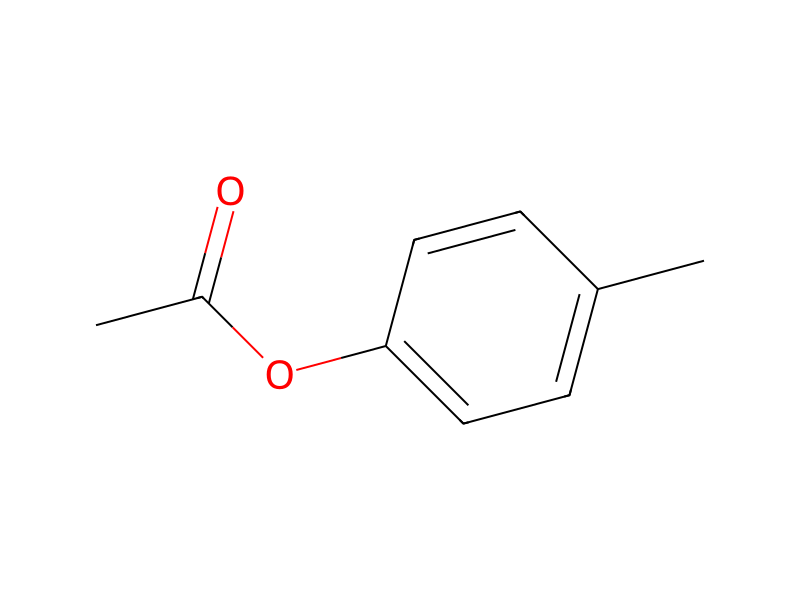
기본 정보
- CAS
140-39-6- 표준 SMILES
CC(=O)Oc1ccc(C)cc1- InChIKey
CDJJKTLOZJAGIZ-UHFFFAOYSA-N- 분자식
- C9H10O2
- 평균 분자량
- 150.17 g/mol
- 단동위원소 질량
- 150.06807956
개요
Tolylacetate is a member of phenols and a benzoate ester.
이름 및 식별자
- 우선 이름
- 4-Methylphenyl acetate
- IUPAC
- (4-methylphenyl) acetate
- 현지명
- 아세트산파라토릴에스테르
- 영어명
- P-TOLYL ACETATE
- 분자식
- C9H10O2
- 분자량
- 150.17
이름 및 동의어
p-Tolyl acetatep-Cresyl acetate140-39-6Acetic acid, 4-methylphenyl esterp-AcetoxytolueneNarceol4-Methylphenyl acetateCresyl acetateParacresyl acetateAcetic acid, p-tolyl esterFEMA No. 307342I5PWW20C
이름 더 보기
아세트산파라토릴에스테르p-톨일아세테이트p-톨일 아세테이트FEMA 30734-METHYL PHENYL ACETATEnarcelop-cresylp-Tolylacetatp-Toylacetatep-cresolacetate
NSC-43244NSC-65594para-cresyl acetateRefChem:858038205-413-14-Tolyl acetatep-Cresol acetate4-Acetoxytoluene
데이터베이스 식별자
- CAS
140-39-6- PubChem CID
- 8797
- DTXSID
DTXSID0046567- ChEMBL
CHEMBL501246- ChEBI
CHEBI:9627- UNII
- 42I5PWW20C
- EC Number
- 205-413-1
- Nikkaji
- J3.631E
물성
구조 계산 물성
- XLogP
- 2.1
- 극성 표면적
- 26.3 Ų
- 수소 결합 공여자 수
- 0
- 수소 결합 수용자 수
- 2
- 회전 가능 결합 수
- 2
- 무거운 원자 수
- 11
- 형식 전하
- 0
- 복잡도
- 134
실험 및 물리화학적 성질
Chemical ClassesOther Classes -> Esters, Other
SpringerMaterials Properties13C nuclear magnetic resonance spectrum
FragrancesFragrance Ingredient (p-Tolyl acetate) -> IFRA transparency List
Pesticides
Repellants
Active substance -> EU Pesticides database: Not approved
LogP
2.11
2.11
Food AdditivesFLAVORING AGENT OR ADJUVANT -> FDA Substance added to food
Density1.044-1.052
Flavoring AgentsEU Flavoring substances
Solubility
slightly soluble in water; soluble in oils
miscible (in ethanol)
Boiling Point
208.00 to 212.00 °C. @ 760.00 mm Hg
208-212 °C
Vapor Pressure
안전 및 규제
안전 정보는 참고용이며, 공급업체의 물질안전보건자료(SDS), 관련 법규 및 전문가 평가를 대체하지 않습니다.
GHS 분류
GHS Classification
Warning
H302 (100%): Harmful if swallowed [Warning Acute toxicity, oral]
P264, P270, P301+P317, P330, and P501 (click each P-code to see the statement)
Aggregated GHS information provided per 1855 reports by companies from 2 notifications to the ECHA C&L Inventory.
유해성 정보
Regulatory Information
Chemical: Acetic acid, 4-methylphenyl ester
Commission Regulation (EC) No 1565/2000 (Repealed by Com. Implementing Reg. (EU) No 872/2012)
2004/129/EC
REACH registered substance: p-tolyl acetate (EC: 205-413-1)
Acetic acid, 4-methylphenyl ester: Does not have an individual approval but may be used under an appropriate group standard
Other Safety InformationIMAP assessments - Acetic acid, 4-methylphenyl ester: Human health tier I assessment
Hazards SummarySafe when used as a flavoring agent in food; [JECFA] A skin and strong eye irritant; Harmful by ingestion; [Sigma-Aldrich MSDS]
Hazard Classes and CategoriesAcute Tox. 4 (100%)
안전 데이터
- wgk
- 2
- tsca
- TSCA listed
- rtecs
- AJ7570000
- ridadr
- NA 1993 / PGIII
- 독성
- The acute oral LD50 in rats was reported as 1.9 (1.12-3.23) g/kg (Denine, 1973). The acute dermal LD50 in rabbits was reported as 2.1 (1.24-3.57) g/kg (Denine, 1973).
- HS 번호
- 2915390090
- risk_code
화학 및 산업
약리 정보
Cellular LocationsCytoplasm
용도 및 제조
UsesUsed as a flavoring agent; [FDA]
Household ProductsInformation on 2 consumer products that contain Cresyl Acetate in the following categories is provided:
Use Classification
Fragrance Ingredients
Flavoring Agents -> JECFA Flavorings Index
Flavouring Agent -> FLAVOURING_AGENT -> JECFA Functional Classes
Flavouring Agent -> FLAVOURING_AGENT -> JECFA Functional Classes
General Manufacturing InformationAcetic acid, 4-methylphenyl ester: ACTIVE
응용 분야
출처Reported as a constituent of the essential oils of wallflower, cananga and ylang-ylang.
용도Perfumery, flavoring.
일반 설명The Fries rearrangement of p-tolyl acetate has been investigated using the H-form of various zeolites as catalysts. Mechanism of photo-Fries rearrangement of p-tolyl acetate has been studied.
제조 방법
By acetylation of p-cresol.
상·하류 제품 정보
상류 원료
관련 반응
18건
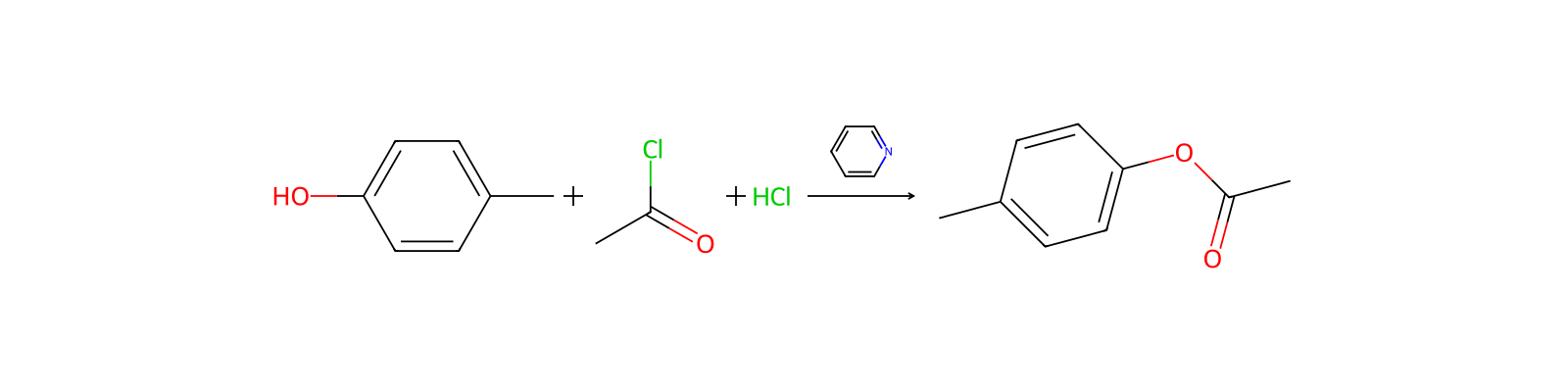
HRID 45426생성물로
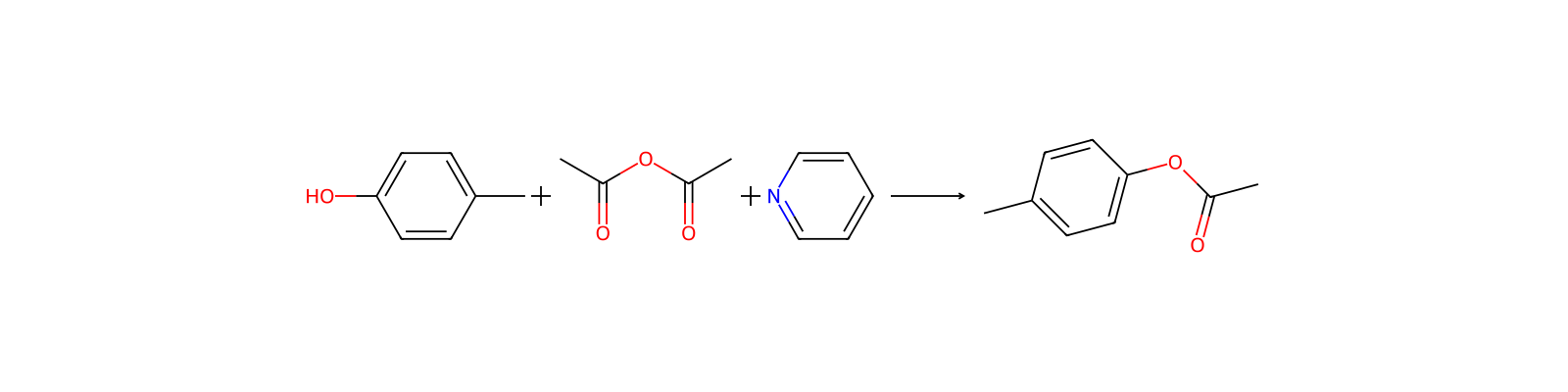
HRID 112935생성물로

HRID 236548반응물로

HRID 284448생성물로

HRID 376524생성물로

HRID 653228생성물로

HRID 814818생성물로