
기본 정보
- 표준 SMILES
CCOC(=O)CC(C)=O- InChIKey
XYIBRDXRRQCHLP-UHFFFAOYSA-N- 분자식
- C6H10O3
- 평균 분자량
- 130.14 g/mol
- 단동위원소 질량
- 130.06299418
이름 및 식별자
- 우선 이름
- Ethyl Acetoacetate
- IUPAC
- ethyl 3-oxobutanoate
- 현지명
- 아세트초산에틸
- 영어명
- Ethyl acetoacetate
- 분자식
- C6H10O3
- 분자량
- 130.14
이름 및 동의어
ethyl acetoacetateethyl 3-oxobutanoate141-97-9ethyl acetylacetateethyl 3-oxobutyratediacetic etherButanoic acid, 3-oxo-, ethyl esterAcetoacetic esteracetoacetic acid, ethyl esterethyl acetylacetonate3-oxobutanoic acid ethyl esteractive acetyl acetate
이름 더 보기
에틸아세토아세테이트아세토아세트산에틸아세트초산에틸아세토아세트산에틸에틸 아세토아세테이트1-에톡시뷰테인-1,3-다이온3-옥소뷰탄산, 에틸 에스터3-옥소뷰티르산, 에틸 에스터아세토아세트산, 에틸 에스터에틸 3-옥소뷰타노에이트에틸 아세틸아세테이트ACEEAAEthyl acetoacetate, 99%, pureEthyl acetoacetate, extra pureETHYL ACETOACETATE, 99%ETHYL ACETOACETATE, 99%ETHYL ACETOACETATE, 99%ETHYL ACETOACETATE, 99%FEMA 24153-OXOBUTYRIC ACID ETHYL ESTER
Active acetylacetateEthyl acetyl acetateACETOACETIC ACID ETHYL ESTERethyl beta-ketobutyrateEthylacetacetat1-Ethoxybutane-1,3-dioneethyl-acetoacetateAcetoctan ethylnaty
데이터베이스 식별자
- CAS
141-97-9- PubChem CID
- 8868
- DTXSID
DTXSID2027092- ChEMBL
CHEMBL169176- ChEBI
CHEBI:4893- UNII
- IZP61H3TB1
- EC Number
- 205-516-1
- Nikkaji
- J4.493H
물성
구조 계산 물성
- XLogP
- 0.2
- 극성 표면적
- 43.4 Ų
- 수소 결합 공여자 수
- 0
- 수소 결합 수용자 수
- 3
- 회전 가능 결합 수
- 4
- 무거운 원자 수
- 9
- 형식 전하
- 0
- 복잡도
- 117
실험 및 물리화학적 성질
LogP
log Kow = 0.25
0.25
0.27
OdorPLEASANT GREEN, FRUITY, RUM ODOR
TasteRIPE FRUIT TASTE
Density
1.028 at 68 °F (USCG, 1999) - Denser than water; will sink
1.0282 AT 20 °C/4 °C
Relative density (water = 1): 1.021
1.022-1.027
1.0282 @ 20°C
Color/FormCOLORLESS LIQUID
Solubility
SOL IN ABOUT 35 PARTS WATER
SOL IN BENZENE, & CHLOROFORM; MISCIBLE WITH ETHER, & ACETONE
water solubility = 1.11X10+5 mg/l @ 17 °C
110 mg/mL at 17 °C
Solubility in water, g/100ml at 20 °C: 2.86
miscible in alcohol, ether, ethyl acetate, 1 ml in 12 ml water
Flash Point
135 °F (USCG, 1999)
184 °F CC (84.4 °C)
70 °C c.c.
Boiling Point
363 °F at 760 mmHg (USCG, 1999)
180.8 °C AT 760 MM HG
180.00 to 181.00 °C. @ 760.00 mm Hg
180.8 °C
181 °C
180.8 °C @760 [mm Hg]
Melting Point
less than -112 °F (USCG, 1999)
-45 °C
-45 °C
-45 °C
Vapor Density
4.48
Relative vapor density (air = 1): 4.48
Vapor Pressure
0.78 [mmHg]
0.78 MM HG AT 25 °C
Vapor pressure, kPa at 20 °C: 0.1
0.78 [mm Hg] @25 °C
Refractive Index
MAX ABSORPTION (ALCOHOL): 248 NM (LOG E= 3.2); INDEX OF REFRACTION: 1.4194 AT 20 °C/D; SADTLER REFERENCE NUMBER: 101 (IR, PRISM)
1.418-1.421
물리화학적 성질
- 녹는점
- 43 °C · −43 °C(lit.)
- 끓는 점
- 181 °C · 181 °C(lit.)
- 밀도
- 1.029 g/mL · 1.029 g/mL at 20 °C(lit.)
- 증기 밀도
- 4.48 · 4.48 (vs air)
- 증기압
- 1 mm · 1 mm Hg ( 28.5 °C)
- 굴절률
- 20 · n20/D 1.419
- FEMA
- 2415 · 2415 | ETHYL ACETOACETATE
- 인화점
- 185 °F · 185 °F
- 저장 조건
- 30 °C · Store below +30°C.
- 용해도
- 116 g/L · 116g/L(20°C)
- 산도 계수 (pKa)
- 11 · 11(at 25℃)
- 물리적 상태
- 액체
- 색상
- 15 · APHA: ≤15
- Specific Gravity
- 1.027 · 1.027~1.035 (20/4℃)
- 냄새
- 기분 좋은 과일 맛.
- 수소이온지수(pH)
- 4 · 4.0 (110g/l, H2O, 20℃)
- 폭발한계
- 1 · 1.0-54%(V)
- 생물학적 소스
- synthetic
- 냄새 유형
- 과일 같은
- 수용성
- 116 g/L · 116g/L(20℃)
- 비열
- 1.91 J/ · Cp(liquid): 1.91 J/(g·K), at 25℃
- JECFA Number
- 595 · 595
- Merck
- 14 · 14,3758
- BRN
- 385838 · 385838
- Henry's Law Constant
- 9 · 9.0×100 mol/(m3Pa) at 25℃, Brockbank (2013)
- Dielectric constant
- 15 · 15.0(Ambient)
- 안정성
- 안정적인. 산, 염기, 산화제, 환원제, 알칼리 금속과 호환되지 않습니다. 타기 쉬운.
- 화장품 원료 기능
- 향수
- InChI
- 1S/C6H10O3/c1-3-9-6(8)4-5(2)7/h3-4H2,1-2H3
- InChIKey
- XYIBRDXRRQCHLP-UHFFFAOYSA-N
- SMILES
- CCOC(=O)CC(C)=O
- LogP
- 0.8 at · 0.8 at 20℃
- 표면장력
- 31.93 mN/m · 31.93mN/m at 298.15K
- NIST
- 3 · Butanoic acid, 3-oxo-, ethyl ester(141-97-9)
- EPA
- Ethyl acetoacetate (141-97-9)
화학적 성질
Ethyl 3-Oxobutanoate is a colorless liquid with a fruity, ethereal, sweet odor reminiscent of green apples. It is used to create fresh, fruity top notes in feminine fine fragrances. Ethyl acetoacetate occurs in flavors of natural materials such as coffee, strawberries, and yellow passion fruits.
안전 및 규제
GHS 분류
GHS Classification
This chemical does not meet GHS hazard criteria for 76.8% (1836 of 2392) of all reports.
Warning
H319 (17.4%): Causes serious eye irritation [Warning Serious eye damage/eye irritation]
P264+P265, P280, P305+P351+P338, and P337+P317 (click each P-code to see the statement)
Aggregated GHS information provided per 2392 reports by companies from 13 notifications to the ECHA C&L Inventory.;Reported as not meeting GHS hazard criteria per 1836 of 2392 reports by companies.;There are 9 notifications provided by 556 of 2392 reports by companies with hazard statement code(s).;Information may vary between notifications depending on impurities, additives, and other factors. The percentage value in parenthesis indicates the notified classification ratio from companies that provide hazard codes. Only hazard codes with percentage values above 10% are shown. For more detailed information, please visit ECHA C&L website.
유해성 정보
Regulatory Information
Chemical: Butanoic acid, 3-oxo-, ethyl ester
Regulation (EC) No 1831/2003 (amended)
Butanoic acid, 3-oxo-, ethyl ester is listed on the EPA's Chemical Data Reporting (CDR) system. Manufacturers and importers of Butanoic acid, 3-oxo-, ethyl ester are required to report information about their production and use of this chemical to the EPA under the Toxic Substances Control Act (TSCA). (40 eCFR Part 711)
Status: Active Update: 12-12-2022 https://echa.europa.eu/registration-dossier/-/registered-dossier/1965
Ethyl acetoacetate: Does not have an individual approval but may be used under an appropriate group standard
DOT LabelFlammable Liquid
Fire Hazards
Excerpt from ERG Guide 128 [Flammable Liquids (Water-Immiscible)]:;HIGHLY FLAMMABLE: Will be easily ignited by heat, sparks or flames. Vapors may form explosive mixtures with air. Vapors may travel to source of ignition and flash back. Most vapors are heavier than air. They will spread along the ground and collect in low or confined areas (sewers, basements, tanks, etc.). Vapor explosion hazard indoors, outdoors or in sewers. Those substances designated with a (P) may polymerize explosively when heated or involved in a fire. Runoff to sewer may create fire or explosion hazard. Containers may explode when heated. Many liquids will float on water. Substance may be transported hot. For hybrid vehicles, ERG Guide 147 (lithium ion or sodium ion batteries) or ERG Guide 138 (sodium batteries) should also be consulted. If molten aluminum is involved, refer to ERG Guide 169. (ERG, 2024)
Combustible. Above 70 °C explosive vapour/air mixtures may be formed.
Fire PotentialMODERATE WHEN EXPOSED TO HEAT OR FLAME.
Health HazardsLiquid may cause mild irritation of eyes. (USCG, 1999)
Hazards Summary
A skin and eye irritant; [Hawley] A mutagen; Severe irritant in rabbit eye; [RTECS] A skin, eye, and respiratory tract irritant; [ICSC] Following repeated oral exposure of ethyl acetoacetate in rats, no treatment-related adverse effects (including haematology, clinical chemistry, gross necropsy and histopathology) were reported up to 1000 mg/kg bw/d. There is no information on health effects in humans following repeated exposure to ethyl acetoacetate via any route. [ChemPortal: SIDS] Safe when used as a flavoring agent in food; [JECFA] An eye irritant; A moderate skin and mucous membrane irritant; Emergency treatment: irritants; [HSDB] An irritant; May cause serious eye injury; [MSDSonline]
FDA Requirements
FDA 121.1164.
FDA 172.515. FLAVOR USEFUL IN STRAWBERRY, FRUIT FLAVORS.
Reactive GroupEsters, Sulfate Esters, Phosphate Esters, Thiophosphate Esters, and Borate Esters;Ketones;Polymerizable Compounds
Special ReportsA REVIEW WITH 8 REFERENCES ON ETHYL ACETOACETATE TOXICITY.[OPDYKE DL J; FRAGRANCE RAW MATRIALS. DIPENTENE. ETHYL ACETOACETATE; FOOD COSMET TOXICOL 12(5-6) 713 (1974)]
EPA Safer ChemicalChemical: Ethyl acetoacetate; Green circle - The chemical has been verified to be of low concern based on experimental and modeled data.
Reactivity AlertsHighly Flammable;Polymerizable
Reactivity Profile
ETHYL ACETOACETATE, a beta-keto ester, is more reactive than many esters. Undergoes an exothermic cleavage reaction in the presence of concentrated base. Reacts with acids to liberate heat along with alcohols and acids. Strong oxidizing acids may cause a vigorous reaction that is sufficiently exothermic to ignite the reaction products. Flammable hydrogen is generated by mixing esters with alkali metals and hydrides. Mixing with 2,2,2-tris(bromomethyl)ethanol and zinc led to an explosion [US Patent 3 578 619, Crotonaldehyde may rapidly polymerize with ethyl acetoacetate (Soriano, D.S. et al. 1988. Journal of Chemical Education 65:637.).1971].
안전 및 보호
Fire Fighting
Excerpt from ERG Guide 128 [Flammable Liquids (Water-Immiscible)]:;CAUTION: The majority of these products have a very low flash point. Use of water spray when fighting fire may be inefficient. CAUTION: For mixtures containing alcohol or polar solvent, alcohol-resistant foam may be more effective.;SMALL FIRE: Dry chemical, CO2, water spray or regular foam. If regular foam is ineffective or unavailable, use alcohol-resistant foam.;LARGE FIRE: Water spray, fog or regular foam. If regular foam is ineffective or unavailable, use alcohol-resistant foam. Avoid aiming straight or solid streams directly onto the product. If it can be done safely, move undamaged containers away from the area around the fire.;FIRE INVOLVING TANKS, RAIL TANK CARS OR HIGHWAY TANKS: Fight fire from maximum distance or use unmanned master stream devices or monitor nozzles. Cool containers with flooding quantities of water until well after fire is out. For petroleum crude oil, do not spray water directly into a breached tank car. This can lead to a dangerous boil over. Withdraw immediately in case of rising sound from venting safety devices or discoloration of tank. ALWAYS stay away from tanks in direct contact with flames. For massive fire, use unmanned master stream devices or monitor nozzles; if this is impossible, withdraw from area and let fire burn. (ERG, 2024)
Use water spray, powder, foam, carbon dioxide.
First Aid Measures
Fresh air, rest.
Remove contaminated clothes. Rinse and then wash skin with water and soap.
First rinse with plenty of water for several minutes (remove contact lenses if easily possible), then refer for medical attention.
Rinse mouth. Give one or two glasses of water to drink. Rest.
First AidEYES: flush with water for 15 min. (USCG, 1999)
Safe StorageSeparated from strong oxidants. Ventilation along the floor. Well closed.
Fire Fighting ProceduresUSE ALCOHOL FOAM, CARBON DIOXIDE, DRY CHEMICAL.
Nonfire Spill Response
Excerpt from ERG Guide 128 [Flammable Liquids (Water-Immiscible)]:;ELIMINATE all ignition sources (no smoking, flares, sparks or flames) from immediate area. All equipment used when handling the product must be grounded. Do not touch or walk through spilled material. Stop leak if you can do it without risk. Prevent entry into waterways, sewers, basements or confined areas. A vapor-suppressing foam may be used to reduce vapors. Absorb or cover with dry earth, sand or other non-combustible material and transfer to containers. Use clean, non-sparking tools to collect absorbed material.;LARGE SPILL: Dike far ahead of liquid spill for later disposal. Water spray may reduce vapor, but may not prevent ignition in closed spaces. (ERG, 2024)
Spillage DisposalCollect leaking and spilled liquid in sealable containers as far as possible. Absorb remaining liquid in sand or inert absorbent. Then store and dispose of according to local regulations. Wash away remainder with plenty of water.
Isolation and Evacuation
Excerpt from ERG Guide 128 [Flammable Liquids (Water-Immiscible)]:;IMMEDIATE PRECAUTIONARY MEASURE: Isolate spill or leak area for at least 50 meters (150 feet) in all directions.;LARGE SPILL: Consider initial downwind evacuation for at least 300 meters (1000 feet).;FIRE: If tank, rail tank car or highway tank is involved in a fire, ISOLATE for 800 meters (1/2 mile) in all directions; also, consider initial evacuation for 800 meters (1/2 mile) in all directions. (ERG, 2024)
Eye PreventionWear safety spectacles.
Fire PreventionNO open flames. Above 70 °C use a closed system and ventilation.
Inhalation RiskA harmful contamination of the air will not or will only very slowly be reached on evaporation of this substance at 20 °C; on spraying or dispersing, however, much faster.
Skin PreventionProtective gloves.
독성 정보
Exposure RoutesThe substance can be absorbed into the body by inhalation.
Signs and Symptoms
Cough. Sore throat.
Redness.
Redness. Pain.
Natural Pollution SourcesNATURALLY OCCURRING IN STRAWBERRY...
Human Toxicity Excerpts
MODERATELY IRRITATING TO SKIN, MUCOUS MEMBRANES.
MODERATELY TOXIC BY INGESTION & INHALATION IRRITANT TO...EYES.
Non-Human Toxicity Excerpts
RATS EXPOSED TO CONCENTRATED VAPOR FOR 8 HR SHOWED NO MORTALITIES. /FROM TABLE/
IT IS LESS TOXIC THAN ITS METHYL HOMOLOGUE, WITH AN ORAL LD50 IN RAT OF 3.98 G/KG & A DERMAL LD50 IN RABBIT OF MORE THAN 10 ML/KG. IT IS LESS IRRITANT TO SKIN & EYES THAN METHYL ESTER.
RATED 4 ON RABBIT EYES. SUBSTANCES DESIGNATED IN THIS MANNER HAVE BEEN TESTED EXTERNALLY ON EYES OF RABBITS & HAVE BEEN RATED NUMERICALLY ON SCALE OF 1 TO 10 ACCORDING TO DEGREE OF INJURY OBSERVED AFTER 24 HR, PAYING PARTICULAR ATTENTION TO CONDITION OF CORNEA. MOST SEVERE INJURIES HAVE BEEN RATED 10.
Toxicity DataLC50 (rat) > 1,380 ppm/4h
규제 정보
Regulatory Information
Chemical: Butanoic acid, 3-oxo-, ethyl ester
Regulation (EC) No 1831/2003 (amended)
Butanoic acid, 3-oxo-, ethyl ester is listed on the EPA's Chemical Data Reporting (CDR) system. Manufacturers and importers of Butanoic acid, 3-oxo-, ethyl ester are required to report information about their production and use of this chemical to the EPA under the Toxic Substances Control Act (TSCA). (40 eCFR Part 711)
Status: Active Update: 12-12-2022 https://echa.europa.eu/registration-dossier/-/registered-dossier/1965
Ethyl acetoacetate: Does not have an individual approval but may be used under an appropriate group standard
FDA Requirements
FDA 121.1164.
FDA 172.515. FLAVOR USEFUL IN STRAWBERRY, FRUIT FLAVORS.
안전 데이터
- wgk
- 1
- tsca
- TSCA listed
- rtecs
- AK5250000
- ridadr
- UN 1993
- 독성
- LD50 orally in rats: 3.98 g/kg (Smyth)
- HS 번호
- 29183000
- risk_code
- 36
- hazard_code
- Xi
- safety_code
- 26-24/25
- 포장분류
- III
- 위험 등급
- 3.2
- 기존화학 물질
- KE-27567
- 자연 발화 온도
- 580 °F
- 스토리지 클래스
- 10 - Combustible liquids
- 유해 물질 데이터
- 141-97-9(Hazardous Substances Data)
화학 및 산업
약리 정보
Cellular LocationsCytoplasm;Extracellular
용도 및 제조
Uses
Used in lacquers and plastics, to make pharmaceuticals, and as a flavoring agent; [Hawley] Used to make inks, photographic and vat dyes, yellow pigments in paints, amino acids, methionine, analgesics, and aminopyrene; [HSDB] Primarily used as a chemical intermediate; Also used in consumer cleaning supplies and cosmetics and as a solvent in paints; [ExPub: European Commission]
Painting (Solvents) [Category: Paint]
FLAVORING AGENT IN FOOD
CHEMICAL INTERMEDIATE FOR YELLOW PIGMENTS IN PAINTS, LACQUERS, INKS, PHOTOGRAPHIC & VAT DYES, AMINO ACIDS, METHIONINE, ANTIMALARIAL AGENTS (ATABRINE), THIAMINE (VITAMIN B1), ANALGESICS, ANTIPYRENE, & AMINOPYRENE
U.S. Exports
(1972) No Data
(1975) No Data
(1986) No Data
U.S. Imports
(1972) No Data
(1975) No Data
(1986) No Data
U.S. Production
2023: 8,500,000 - <10,000,000 lb;2022: 8,500,000 - <10,000,000 lb;2021: 8,500,000 - <10,000,000 lb;2020: 25,000,000 - <40,000,000 lb
(1972) GREATER THAN 9.08X10+5 GRAMS
(1975) GREATER THAN 4.54X10+5 GRAMS
(1986) No Data
Consumer UsesSolvent;Fragrance;Cleaning agent;Intermediate
Industry UsesNot Known or Reasonably Ascertainable;Fragrance;Intermediate
Methods of Manufacturing
REACTION OF HIGH-PURITY ETHYL ACETATE WITH METALLIC SODIUM FOLLOWED BY NEUTRALIZATION WITH SULFURIC ACID
...FROM ETHYL ACETATE BY ACTION OF SODIUM, SODIUM ETHOXIDE, SODAMIDE OR CALCIUM: INGLIS, ROBERTS, ORG SYN COLL VOL 1, 2ND EDITION (1941) PAGE 235; HANSLEY, SCHOTT, US PATENT 2,843,623 (1958 TO NATIONAL DISTILLERS)...
...BY CLAISEN CONDENSATION OF ETHYL ACETATE IN PRESENCE OF SODIUM ETHYLATE; ALSO BY REACTING DIKETENE WITH ETHANOL IN PRESENCE OF SULFURIC ACID OR TRIETHYLAMINE & SODIUM ACETATE, WITH OR WITHOUT SOLVENT.
Formulations/PreparationsGRADES: TECHNICAL; 98%.
Household ProductsInformation on 32 consumer products that contain Ethyl Acetoacetate in the following categories is provided:;• Auto Products;• Commercial / Institutional;• Inside the Home;• Personal Care
Use Classification
EPA Safer Chemical Functional Use Classes -> Solvents
Safer Chemical Classes -> Green circle - The chemical has been verified to be of low concern
Fragrance Ingredients
Flavouring Agent -> FLAVOURING_AGENT -> JECFA Functional Classes
Flavoring Agents -> JECFA Flavorings Index
Flavouring Agent -> FLAVOURING_AGENT -> JECFA Functional Classes
General Manufacturing Information
Soap, Cleaning Compound, and Toilet Preparation Manufacturing;Not Known or Reasonably Ascertainable;All Other Chemical Product and Preparation Manufacturing;Synthetic Dye and Pigment Manufacturing;All Other Basic Organic Chemical Manufacturing
Butanoic acid, 3-oxo-, ethyl ester: ACTIVE
17 PPM IN NON-ALCOHOLIC BEVERAGES; 24 PPM IN ICE CREAM, ICES, ETC; 110 PPM IN CANDY; 120 PPM IN BAKED GOODS; 93 PPM IN GELATINS & PUDDINGS; & 530 PPM IN CHEWING GUM.
USEFUL AS STRAWBERRY, FRUIT FLAVORS. FEMA NUMBER 2415.
응용 분야
용도주로 의학, 염료, 살충제 등에 사용됩니다. 또한 식품 첨가물 및 향료 및 향수에 사용할 수 있습니다.
개요The organic compound ethyl acetoacetate (EAA) is the ethyl ester of acetoacetic acid. It is mainly used as a chemical intermediate in the production of a wide variety of compounds, such as amino acids, analgesics, antibiotics, antimalarial agents, antipyrine and amino pyrine, and vitamin B1; as well as the manufacture of dyes, inks, lacquers, perfumes, plastics, and yellow paint pigments. Alone, it is used as a flavoring for food.
출처Naturally occurring in strawberry, coffee, sherry, passion fruit juice (yellow), babaco fruit (Carica pentagona Heilborn) and bread.
일반 설명A colorless liquid with a fruity odor. Flash point 185°F. Boiling point 365°F. May cause adverse health effects if ingested or inhaled. May irritate to skin, eyes and mucous membranes. Used in organic synthesis and in lacquers and paints.
제조 방법
Ethyl acetoacetate is produced industrially by treatment of diketene with ethanol. The preparation of ethyl acetoacetate is a classic laboratory procedure . It is prepared via the Claisen condensation of ethyl acetate. Two moles of ethyl acetate condense to form one mole each of ethyl acetoacetate and ethanol.
상·하류 제품 정보
상류 원료
하류 제품
공급사50 곳
国药集团化学试剂有限公司86-21-63210123 · [email protected]
梯希爱(上海)化成工业发展有限公司021-67121386 · [email protected]
衢州润东化工有限公司0570-8789886 18892685668 · [email protected]
上海阿拉丁生化科技股份有限公司400-6206333 13167063860 · [email protected]
艾特(浙江)供应链管理有限公司15553101207 18615619105
爱斯特(成都)生物制药股份有限公司+86-28-85122536 85324413 · [email protected]
北京安司莫森技术有限公司010-82954736 13391601435 · [email protected]
韶远科技(上海)有限公司021-50795510 4000665055 · [email protected]
山东乐立新材料有限公司18906359122 · [email protected]
Syntechem Co.,Ltd[email protected]
上海迈瑞尔生化科技有限公司4006356688 18621169109 · [email protected]
武汉易泰科技有限公司上海分公司18930552037 · [email protected]
阿法埃莎(中国)化学有限公司400-6106006 · [email protected]
安耐吉化学&3A(安徽泽升科技股份有限公司)400-0056266 · [email protected]
上海瀚鸿科技股份有限公司021-54306202 13764082696 · [email protected]
上海柯维化学技术有限公司021-64609169 18901607656 · [email protected]
吉良化学21-62165282 · [email protected]
上海景颜化工科技有限公司13817811078 · [email protected]
嘉兴市艾森化工有限公司0573-85285100 18627885956 · [email protected]
合肥天健化工有限公司551-65418679 15856988503;15837135945 · [email protected]
南京蓝白化工有限公司025-85499326 15366059326;13813836665 · [email protected]
BOC Sciences1-631-485-4226; 16314854226 · [email protected]
孝感深远化工有限公司15527621225; 15527621225 · [email protected]
山东金城医药集团股份有限公司0533-5439427 · [email protected]
Beckmann-Kenko GmbH+49 4241 9308 88 · [email protected]
山东西亚化学有限公司13355009207 13355009207 · [email protected]
玛雅试剂+86 (573) 82222445 (0)18006601000 452520369 · [email protected]
四川库利南科技有限公司400-1166-196 18981987031 · [email protected]
天津希恩思生化科技有限公司400 638 7771 · [email protected]
南京维奥化工有限公司Please Send Email 18652950785 · [email protected]
河南多贝化工有限公司0370-2785118 17550508557 · [email protected]
斯百全化学(上海)有限公司021-021-021-67601398-809-809-809 15221380277 · [email protected]
北京泰亚杰科技有限公司021-33690831-8001 13552411790;18616022633 · [email protected]
泰州志诚化工科技有限公司0523-82837785 13914525028 · [email protected]
艾科试剂4008-755-333 18080918076 · [email protected]
青岛保税区鲁联国际贸易有限公司0532-83893697 18561902820 · [email protected]
上海思域化工科技有限公司86-21-34053660 · [email protected]
苏州思变化学技术有限公司0512-65617459 18915409046 · [email protected]
赛默飞世尔科技(中国)有限公司800-810-5118 · [email protected]
北京伊诺凯科技有限公司400-810-7969 010-59572699 · [email protected]
江苏艾康生物医药研发有限公司025-66113011 13913916777 · [email protected]
TCI AMERICA800-4238616 · [email protected]
TOKYO CHEMICAL INDUSTRY CO., LTD.03-36680489 · [email protected]
TCI Europe320-37350700 · [email protected]
上海贤鼎生物科技有限公司4009209199 · [email protected]
深圳振强药物研发有限公司0755-66853366 13670046396 · [email protected]
越林试剂021-62960152 · [email protected]
上海洪创医药科技有限公司18151128828 · [email protected]
北京环宇世纪化学科技有限公司hysj_bj.com
上海湄水化工科技有限公司021-60549325 18616193163
추가 설명
순도시험(1) 비중 : 이 품목의 비중은 1.022~1.027이어야 한다. (2) 굴절률 : 이 품목의 굴절률 은 1.418~1.421이어야 한다. (3) 용상 : 이 품목 1mL를 30% 에탄올 3mL에 녹일 때, 그 액은 징명하여야 한다. (4) 유리산 : 이 품목 15mL에 새로 끓여 식힌 물 15mL를 넣어 2분간 흔들어 섞어 정치한 후 그 물층 10mL를 취해 페놀프탈레인시액 2방울 및 0.1N 수산화칼륨용액 3.4mL를 넣을 때, 홍색을 나타낸다.
확인시험(1) 이 품목 1mL를 에탄올 3mL에 녹여 염화제이철시액 1방울을 넣으면 적자색을 나타낸다. (2) 이 품목 0.5mL에 10% 알콜성수산화칼륨시액 5mL를 넣어 온탕 중에서 5분간 가열하고 식힌 다음 이에 물 10mL 및 묽은염산 2mL를 넣은 액은 확인시험법 중 초산염 (다)의 반응을 나타낸다.
정량법이 품목 약 0.8g을 정밀히 달아 향료시험법 중 알데히드류 및 케톤류함량측정법의 히드록실아민법 중 제2법에 따라 시험한다. 다만, 방치시간은 15분간으로 한다.0.5N 염산 1mL = 65.07mg C6H10O3
정의ChEBI: Ethyl acetoacetate is an ethyl ester resulting from the formal condensation of the carboxy group of acetoacetic acid with ethanol. It has a role as a flavouring agent, an antibacterial agent and a plant metabolite. It is functionally related to an acetoacetic acid.
관련 반응
1,570건


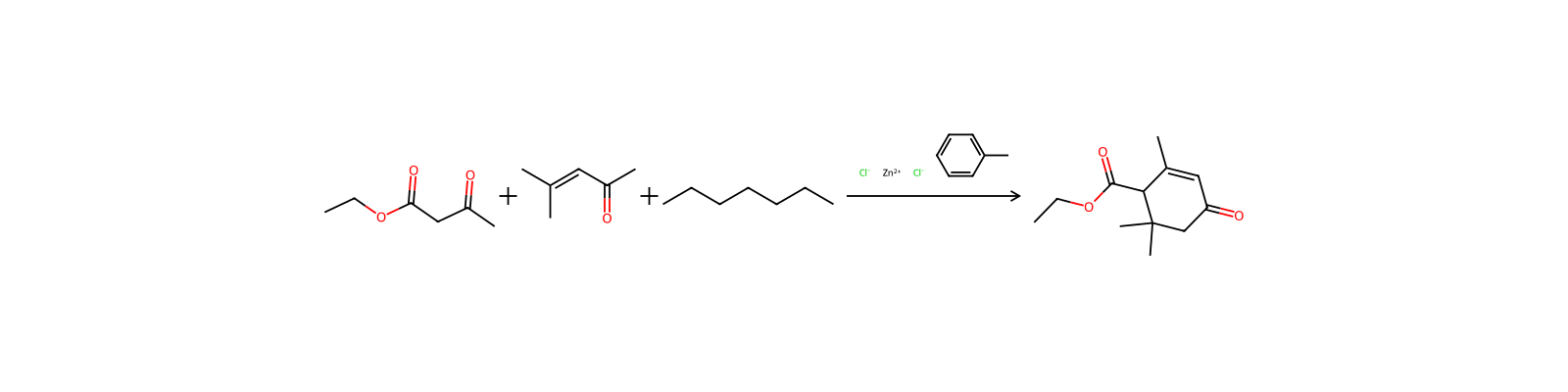


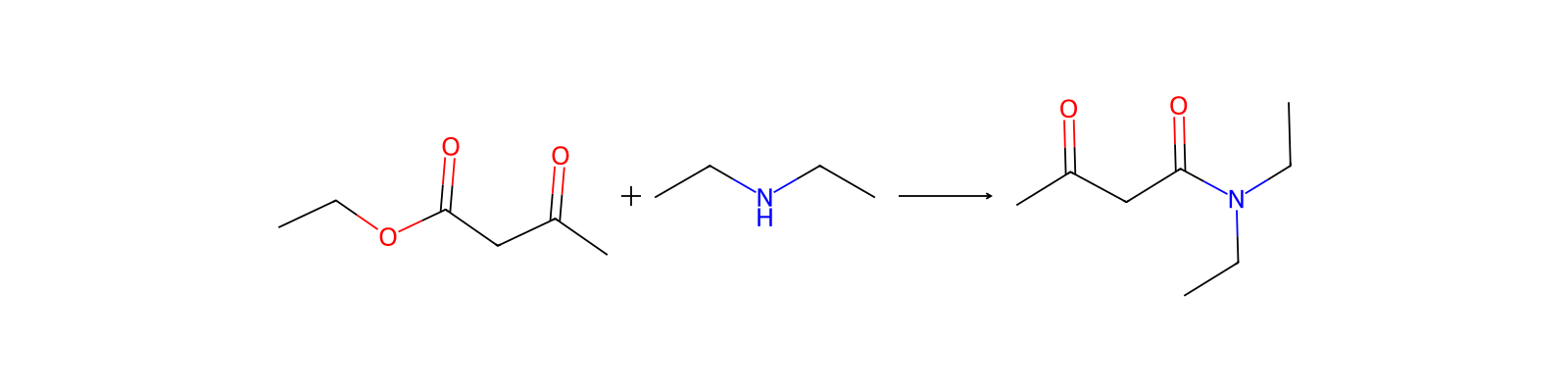
연결된 노트
불러오는 중…