
이미노 디초산
Iminodiacetic acid

기본 정보
- CAS
142-73-4- 표준 SMILES
O=C(O)CNCC(=O)O- InChIKey
NBZBKCUXIYYUSX-UHFFFAOYSA-N- 분자식
- C4H7NO4
- 평균 분자량
- 133.1 g/mol
- 단동위원소 질량
- 133.0375077
개요
Iminodiacetic acid is an amino dicarboxylic acid that is glycine in which one of the hydrogens attached to the nitrogen is substituted by a carboxymethyl group. It has a role as a chelator. It is a glycine derivative, an amino dicarboxylic acid and a non-proteinogenic alpha-amino acid. It is a conjugate acid of an iminodiacetate.
이름 및 식별자
- 우선 이름
- Iminodiacetic acid
- IUPAC
- 2-(carboxymethylamino)acetic acid
- 현지명
- 이미노 디초산
- 영어명
- Iminodiacetic acid
- 분자식
- C4H7NO4
- 분자량
- 133.1
이름 및 동의어
IMINODIACETIC ACID142-73-4Iminodiethanoic acidDiglykokoll2,2'-Iminodiacetic acidAminodiacetic acidDiglycinN-(Carboxymethyl)glycineGlycine, N-(carboxymethyl)-DiglycocollHampshireIminobis(acetic acid)
이름 더 보기
이미노디초산이미노다이아세트산2,2'-이미노비스아세트산IDA2,2'-azanediyldiacetic acid2,2’-iminobis-aceticaciIMinodiacetic2,2’-iminodiaceticacidn-(carboxymethyl)-glycineDIGLYCOLAMIDIC ACIDC4H7NO4
Acetic acid, iminodi-IMDA2-[(carboxymethyl)amino]acetic acidUSAF DO-55IDA (chelating agent)Iminodi(acetic acid)Acetic acid, 2,2'-iminobis-DTXSID2027098
데이터베이스 식별자
- CAS
142-73-4- PubChem CID
- 8897
- DTXSID
DTXSID2027098- ChEMBL
CHEMBL461164- ChEBI
CHEBI:24786- UNII
- XQM2L81M8Z
- EC Number
- 205-555-4
- Nikkaji
- J386G
물성
구조 계산 물성
- XLogP
- -3.3
- 극성 표면적
- 86.6 Ų
- 수소 결합 공여자 수
- 3
- 수소 결합 수용자 수
- 5
- 회전 가능 결합 수
- 4
- 무거운 원자 수
- 9
- 형식 전하
- 0
- 복잡도
- 108
실험 및 물리화학적 성질
Chemical ClassesOther Uses -> Chelating Agents
Color/FormORTHORHOMBIC CRYSTALS
SolubilityPRACTICALLY INSOL IN ACETONE, METHANOL, ETHER, BENZENE, CARBON TETRACHLORIDE, HEPTANE; SOL IN WATER @ 5 °C: 2.43 G/100 ML
Melting Point247.50 °C. @ 760.00 mm Hg
Physical Description
Dry Powder
Solid; [Merck Index] Light brown crystalline solid; [MSDSonline]
Solid
Dissociation ConstantsPKA1: 2.98; PKA2: 9.89
Other Experimental Properties
FORMS SALTS WITH ACIDS & BASES
220-250 °C (COMMERCIAL)
DECOMP @ 247.5 °C
물리화학적 성질
- 녹는점
- 243 °C · 243 °C (dec.) (lit.)
- 끓는 점
- 245.59 °C · 245.59°C (rough estimate)
- 밀도
- 1.5325 · 1.5325 (rough estimate)
안전 및 규제
안전 정보는 참고용이며, 공급업체의 물질안전보건자료(SDS), 관련 법규 및 전문가 평가를 대체하지 않습니다.
GHS 분류
GHS Classification
This chemical does not meet GHS hazard criteria for 20.1% (55 of 274) of reports.
Warning
H315 (56.9%): Causes skin irritation [Warning Skin corrosion/irritation]
P261, P264, P264+P265, P271, P273, P280, P302+P352, P304+P340, P305+P351+P338, P319, P321, P332+P317, P337+P317, P362+P364, P403+P233, P405, and P501 (click each P-code to see the statement)
Aggregated GHS information provided per 274 reports by companies from 14 notifications to the ECHA C&L Inventory. Each notification may be associated with multiple companies.
유해성 정보
Regulatory Information
Chemical: Glycine, N-(carboxymethyl)-
Glycine, N-(carboxymethyl)- is listed on the EPA's Chemical Data Reporting (CDR) system. Manufacturers and importers of Glycine, N-(carboxymethyl)- are required to report information about their production and use of this chemical to the EPA under the Toxic Substances Control Act (TSCA). (40 eCFR Part 711)
Iminodiacetic acid: Does not have an individual approval but may be used under an appropriate group standard
Hazards SummaryEmergency medical treatment: symptomatic drug ingestion; Not tumorigenic when 0.5% solution added to drinking water of rats for most of their lifespans; [HSDB] Intraperitoneal LD50 (mouse) = 250 mg/kg; [RTECS] An irritant; [MSDSonline]
Hazard Classes and CategoriesSkin Irrit. 2 (56.9%)
안전 및 보호
Protective Action Criteria (PAC)
0.82 [mg/m3]
9.0 [mg/m3]
54 [mg/m3]
독성 정보
화학 및 산업
약리 정보
Mechanism of Action
LEAD NITRATE ALONE OR CHELATED WITH DIFFERENT CHELATING AGENTS INCL IMINODIACETIC ACID (IDA) WAS ADMIN TO PREGNANT RATS ON DAYS 9, 11 OR 16 OF GESTATION. THE LEAD-CHELATE COMPLEX EITHER REDUCED OR EQUALED BUT DID NOT ENHANCE THE OVERALL EMBRYO OR FETAL TOXICITY. THERE WERE NO QUALITATIVELY DIFFERENT EFFECTS PRODUCED WITH CHELATED LEAD VERSUS LEAD ALONE. THE CHELATING AGENTS WERE MORE EFFECTIVE AFTER DAY 9 THAN DAYS 11 OR 16. EDTA PRODUCED THE GREATEST REDUCTION IN OVERALL EFFECT, WHILE IDA PROVIDED THE LEAST PROTECTION.
MeSH Pharmacological ClassificationChemicals that bind to and remove ions from solutions. Many chelating agents function through the formation of COORDINATION COMPLEXES with METALS.
Absorption, Distribution and ExcretionPLACENTAL PERMEABILITY & TRANSFER OF LEAD NITRATE ALONE & CHELATED WITH IMINODIACETIC ACID (PBIDA) IN RATS WERE STUDIED. LITTLE OR NO DIFFERENCES IN MATERNAL BLOOD OR FETAL LEAD CONTENT WERE OBSERVED WITH PBIDA COMPLEX.
용도 및 제조
Uses
Used as a buffer/sequestrant in electroplating applications and to make surfactants, chelating resins, and polymeric amides; Used as IDA, a chelating agent; [HSDB]
Electroplating [Category: Plate]
HAS BEEN SUGGESTED AS INTERMEDIATE IN MFR OF COMPLEX SALTS, CHELATING AGENTS
CHEM INT FOR SURFACTANTS, CHELATING RESINS, POLYMERIC AMIDES; BUFFER/SEQUESTRANT IN ELECTROPLATING APPLICATIONS
U.S. Exports
(1972) No Data
(1975) No Data
U.S. Imports
(1972) No Data
(1975) No Data
U.S. Production
2020: 39,683 lb
(1972) PROBABLY GREATER THAN 4.54X10+5 GRAMS
(1975) PROBABLY GREATER THAN 4.54X10+5 GRAMS
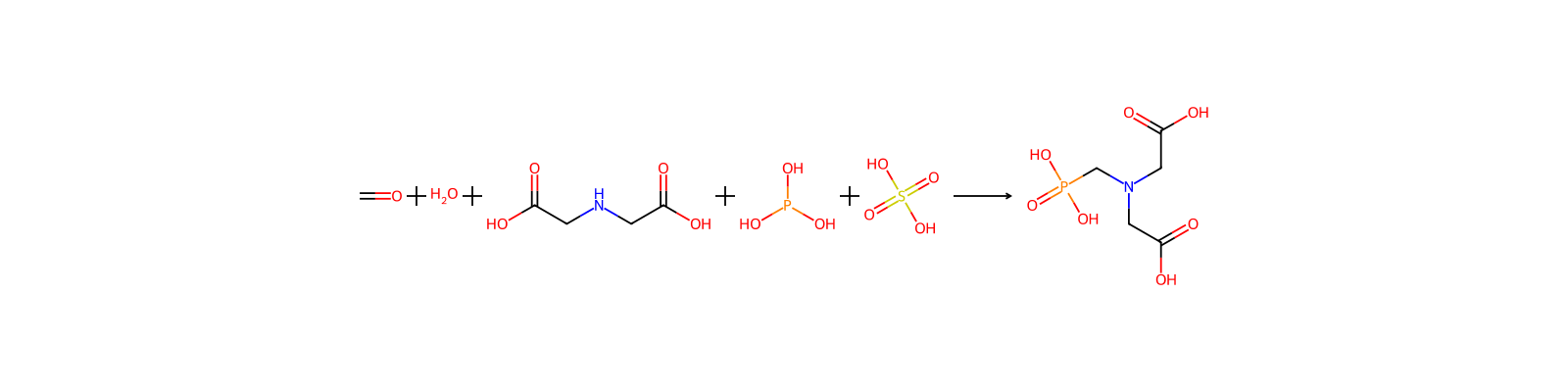
관련 반응
87건



화합물 노트
불러오는 중…