
HRID 2078487반응물로
Edetate Trisodium
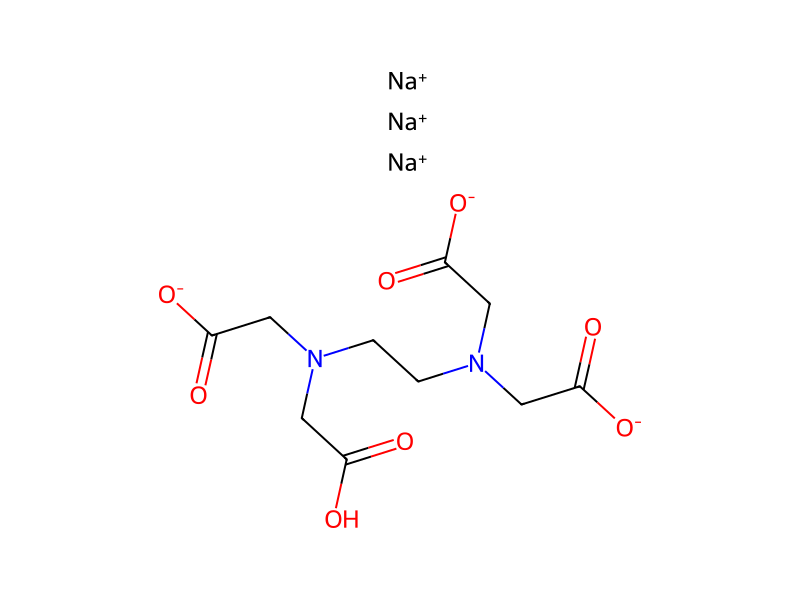
150-38-9O=C([O-])CN(CCN(CC(=O)[O-])CC(=O)O)CC(=O)[O-].[Na+].[Na+].[Na+]QZKRHPLGUJDVAR-UHFFFAOYSA-KEthylenediamine tetraacetic acid, trisodium salt is an odorless white crystalline powder. pH (1% aqueous solution) 9.3. pH (10% aqueous solution) about 8.3-8.7. (NTP, 1992)
150-38-9、85715-60-2Cosmetic ingredients (Trisodium EDTA) -> CIR (Cosmetic Ingredient Review)
Chelating
Ethylenediamine tetraacetic acid, trisodium salt is an odorless white crystalline powder. pH (1% aqueous solution) 9.3. pH (10% aqueous solution) about 8.3-8.7. (NTP, 1992)
Dry Powder; Liquid
White odorless solid; [CAMEO] Fine white crystals; [Sigma-Aldrich MSDS]
안전 정보는 참고용이며, 공급업체의 물질안전보건자료(SDS), 관련 법규 및 전문가 평가를 대체하지 않습니다.
This chemical does not meet GHS hazard criteria for 1% (2 of 197) of reports.
Danger
H302+H332 (53.3%): Harmful if swallowed or if inhaled [Warning Acute toxicity, oral; acute toxicity, inhalation]
P260, P261, P264, P264+P265, P270, P271, P280, P301+P317, P304+P340, P305+P351+P338, P305+P354+P338, P317, P319, P330, P337+P317, and P501 (click each P-code to see the statement)
Aggregated GHS information provided per 197 reports by companies from 13 notifications to the ECHA C&L Inventory. Each notification may be associated with multiple companies.
Chemical: Glycine, N,Nâ²-1,2-ethanediylbis[N-(carboxymethyl)-, sodium salt (1:3)
Glycine, N,N'-1,2-ethanediylbis[N-(carboxymethyl)-, sodium salt (1:3) is listed on the EPA's Chemical Data Reporting (CDR) system. Manufacturers and importers of Glycine, N,N'-1,2-ethanediylbis[N-(carboxymethyl)-, sodium salt (1:3) are required to report information about their production and use of this chemical to the EPA under the Toxic Substances Control Act (TSCA). (40 eCFR Part 711)
REACH registered substance: Trisodium hydrogen ethylenediaminetetraacetate (EC: 205-758-8)
Trisodium EDTA: Does not have an individual approval but may be used under an appropriate group standard
SYMPTOMS: Symptoms of exposure to this compound may include coughing, wheezing, respiratory distress and mucous membrane irritation upon inhalation. It is a strong chelating agent and ingestion of large amounts may cause hypocalcemic tetany with spontaneous recovery. This compound may cause skin irritation, an eye contact may cause pain and slight transient irritation.
CIR ingredient: Trisodium EDTA
Formerly registered in the US for use as a disinfectant; [NPIRS] Used as a preservative, color retention agent, antioxidant, flavoring agent for foods, anticoagulant for blood collection, and chelating agent in personal care products; Also used in the pulp and paper industry, in laboratory titrimetric analysis of metals, and as a therapeutic chelating agent; [Merck Index] Used in detergents, agricultural chemical sprays, pharmaceutical products, oil emulsions, to improve dyeing in textiles, as a metal chelating agent, in metal cleaning and plating, to decontaminate radioactive surfaces, as a metal deactivator in vegetable oils, as an eluting agent in ion exchange, to remove insoluble deposits of calcium and magnesium soaps, as an antioxidant, in the clarification of liquids, and to help reduce blood cholesterol; [NTP] Permitted for use as an inert ingredient in non-food pesticide products; [EPA]
Acid and Alkali Cleaning of Metals [Category: Clean]
All Other Basic Organic Chemical Manufacturing
Glycine, N,N'-1,2-ethanediylbis[N-(carboxymethyl)-, sodium salt (1:3): ACTIVE
용도chelating agent, antioxidant
일반 설명Odorless white crystalline powder. pH (1% aqueous solution) 9.3. pH (10% aqueous solution) about 8.3-8.7.
DTXSID7020556CHEMBL2028177CHEBI:63125white powder
No evidence of carcinogenicity in mice or rats; [NTP] Causes changes in tubules (including acute renal failure and necrosis) in intraperitoneal lethal-dose studies of mice; [RTECS] May cause skin and eye irritation; Inhalation may cause coughing, wheezing, respiratory distress, and mucous membrane irritation; [NTP] An irritant; [Sigma-Aldrich MSDS] See Edetic acid.
EYES: First check the victim for contact lenses and remove if present. Flush victim's eyes with water or normal saline solution for 20 to 30 minutes while simultaneously calling a hospital or poison control center. Do not put any ointments, oils, or medication in the victim's eyes without specific instructions from a physician. IMMEDIATELY transport the victim after flushing eyes to a hospital even if no symptoms (such as redness or irritation) develop.
SMALL SPILLS AND LEAKAGE: If you spill this chemical, you should dampen the solid spill material with water, then transfer the dampened material to a suitable container. Use absorbent paper dampened with water to pick up any remaining material. Seal your contaminated clothing and the absorbent paper in a vapor-tight plastic bag for eventual disposal. Wash all contaminated surfaces with a soap and water solution. Do not reenter the contaminated area until the Safety Officer (or other responsible person) has verified that the area has been properly cleaned.
RECOMMENDED RESPIRATOR: Where the neat test chemical is weighed and diluted, wear a NIOSH-approved half face respirator equipped with an organic vapor/acid gas cartridge (specific for organic vapors, HCl, acid gas and SO2) with a dust/mist filter. (NTP, 1992)
Trisodium ethylenediaminetetra-acetate trihydrate (EDTA)
TR-011: Bioassay of Trisodium Ethylenediaminetetraacetate Trihydrate (EDTA) for Possible Carcinogenicity (CASRN 150-38-9) (1977 )
07/25/77
No Evidence
No Evidence
No Evidence