홈MCP워크벤치Skills
홈워크벤치알림마이페이지
llms.txt · MCP 가이드개인정보처리방침 · 이용약관 · 지원v1.8.0
  1. 홈
  2. /화합물

니코틴산

Nicotinic Acid

HCID 938
새 노트새 반응견적 요청하기
인쇄 미리보기
기본 정보개요이름 및 식별자물성안전 및 규제화학 및 산업관련 반응화합물 노트
부분 구조 검색유사 구조 찾기

기본 정보

CAS
59-67-6
표준 SMILES
O=C(O)c1cccnc1
InChIKey
PVNIIMVLHYAWGP-UHFFFAOYSA-N
분자식
C6H5NO2
평균 분자량
123.11 g/mol
단동위원소 질량
123.0320284

개요

Nicotinic acid is an odorless white crystalline powder with a feebly acid taste. pH (saturated aqueous solution) 2.7. pH (1.3% solution) 3-3.5. (NTP, 1992)

이름 및 식별자

우선 이름
Nicotinic Acid
IUPAC
pyridine-3-carboxylic acid
현지명
니코틴산
영어명
Nicotinic acid
분자식
C6H5NO2
분자량
123.11

이름 및 동의어

nicotinic acidniacin59-67-6Pyridine-3-carboxylic acid3-pyridinecarboxylic acid3-CarboxypyridineAkotinwampocapApelagrinPellagrinDaskilEfacin
이름 더 보기
니코틴산3-카르복시피리딘3-피리딘카르복실산3-카르복실피리딘3-피리딜카르복실산(3-PYRIDYLCARBOXYLICACID3-피리딜카르복실산(3-PYRIDYLCARBOXYLICACID니아신니아신니코틴산나이아신3-카복실피리딘3-피리딘카복실산3-피리딜카복실산니카시드VITAMIN B3VB3nicotinicVitamin PPNICO3-PICOLINIC ACIDNiacPYRIDINE-3-CARBOXYLATE
NiaspanPeloninLinicNicylnicolarNicotinipcaNicacidNicangin

데이터베이스 식별자

CAS
59-67-6
PubChem CID
938
DTXSID
DTXSID1020932
ChEMBL
CHEMBL573
ChEBI
CHEBI:15940
UNII
2679MF687A
EC Number
200-441-0
Nikkaji
J2.809F、J452.016E

물성

구조 계산 물성

XLogP
0.4
극성 표면적
50.2 Ų
수소 결합 공여자 수
1
수소 결합 수용자 수
3
회전 가능 결합 수
1
무거운 원자 수
9
형식 전하
0
복잡도
114

실험 및 물리화학적 성질

Chemical ClassesBiological Agents -> Vitamins and Derivatives
Drugs · 3건

Pharmaceuticals -> Antilipidemics

Pharmaceuticals

Pharmaceuticals -> Listed in ZINC15

Cosmetics · 2건

Cosmetic ingredients (Niacin) -> CIR (Cosmetic Ingredient Review)

Smoothing; Antistatic

pHpH = 2.7 (saturated aq soln)
SpringerMaterials PropertiesChemical shift
LogP · 4건

log Kow = 0.36

0.36

-2.43

-0.46

OdorOdorless
TasteSour taste
Food AdditivesNUTRIENT SUPPLEMENT -> FDA Substance added to food
Density · 3건

1.473 (NTP, 1992) - Denser than water; will sink

1.473 g/cu cm at 25 °C

1.5 g/cm³

Color/Form · 2건

안전 및 규제

안전 정보는 참고용이며, 공급업체의 물질안전보건자료(SDS), 관련 법규 및 전문가 평가를 대체하지 않습니다.

GHS 분류

GHS Classification · 6건

Warning

H319 (99.8%): Causes serious eye irritation [Warning Serious eye damage/eye irritation]

P264+P265, P280, P305+P351+P338, and P337+P317 (click each P-code to see the statement)

Aggregated GHS information provided per 554 reports by companies from 12 notifications to the ECHA C&L Inventory.

Warning

H319: Causes serious eye irritation [Warning Serious eye damage/eye irritation]

유해성 정보

Regulatory Information · 4건

Chemical: 3-Pyridinecarboxylic acid

3-Pyridinecarboxylic acid is listed on the EPA's Chemical Data Reporting (CDR) system. Manufacturers and importers of 3-Pyridinecarboxylic acid are required to report information about their production and use of this chemical to the EPA under the Toxic Substances Control Act (TSCA). (40 eCFR Part 711)

REACH registered substance: Nicotinic acid (EC: 200-441-0)

Niacin: Does not have an individual approval but may be used under an appropriate group standard

Other Safety InformationEvaluation - Chemicals that are unlikely to require further regulation to manage risks to human health
Fire Hazards · 2건

Flash point data for this chemical are not available; however, it is probably combustible. (NTP, 1992)

Combustible. Gives off irritating or toxic fumes (or gases) in a fire. Finely dispersed particles form explosive mixtures in air.

Health Hazards · 1건

SYMPTOMS: Symptoms of exposure to this compound include impaired liver function, dryness of the skin, anorexia, nausea, vomiting, diarrhea, activation of peptic ulcers, hepatic disease, hyperuricemia and circulatory collapse (after rapid intravenous injection). It may cause temporary flushing and a feeling of warmth, temporary headache, itching, tingling, skin rash and allergies. It may also cause burning of the skin, face and upper trunk and elevation of serum bilirubin. Other symptoms include mild irritation of upper respiratory tract and gastrointestinal disturbances. It may cause dyspepsia, hyperpigmentation, decrease in excretion of bromosulfophthalein, increase of plasma transaminase activities, incidence of acute gouty arthritis, acanthosis nigricans, hyperglycemia, increased vasodilation and cystoid edema of the macula. It may also cause furunculosis and other skin lesions, hypotension, abdominal cramps, mild diabetes and urticaria. Other symptoms include pruritus, toxic amblyopia, jaundice and decreased glucose tolerance.

화학 및 산업

약리 정보

ATC Code · 4건

C - Cardiovascular system

C - Cardiovascular system

QC - Cardiovascular system

QC - Cardiovascular system

Bionecessity · 5건

VET: Pigs deficient in niacin have inflammatory lesions of the digestive tract and exhibit diarrhea, weight loss, rough skin and coat, and dermatitis on the ears. Intestinal conditions can be due to niacin deficiency or bacterial infection. Deficient pigs respond readily to niacin therapy and, although not a cure for infectious enteritis, adequate dietary niacin probably allows the pig to maintain its resistance to bacterial invasion.

VET: Niacin deficiency /in poultry/ is characterized by severe metabolic disorders in the skin and digestive organs. The first signs are usually loss of appetite, retarded growth, general weakness, and diarrhea. There is conflicting evidence as to whether broilers respond, in terms of growth and feed utilization, to niacin supplementation. However, it has been clearly established that chicks do have a requirement for niacin. Deficiency produces an enlargement of the tibiotarsal joint, bowing of the legs, poor feathering, and dermatitis on the head and feet.

VET: Niacin deficiency in chicks can also result in "black tongue." At approximately 2 wk of age, the tongue, oral cavity, and esophagus become distinctly inflamed. In the niacin-deficient hen, weight loss, reduced egg production, and a marked decrease in hatchability can result. Turkeys, ducks, pheasants, and goslings are much more severely affected by niacin deficiency than are chickens. Their apparently higher requirements are likely related to their less efficient conversion of tryptophan to niacin. Ducks and turkeys with a niacin deficiency show a severe bowing of the legs and an enlargement of the hock joint. The main difference between the leg seen in niacin deficiency and perosis seen in manganese and choline deficiency is that with niacin deficiency the Achilles tendon seldom slips from its condyles.

As a precursor of pyridine nucleotides (nicotinamide adenine dinucleotide (NAD) and nicotinamide adenine dinucleotide phosphate (NADP), niacin participates in the function of numerous enzymatic pathways, which are critical for normal cell metabolism, involving, for example redox reactions and those that consume NAD.

For more Bionecessity (Complete) data for Nicotinic acid (7 total), please visit the HSDB record page.

Protein Binding

관련 반응

629건
반응 기록 만들기
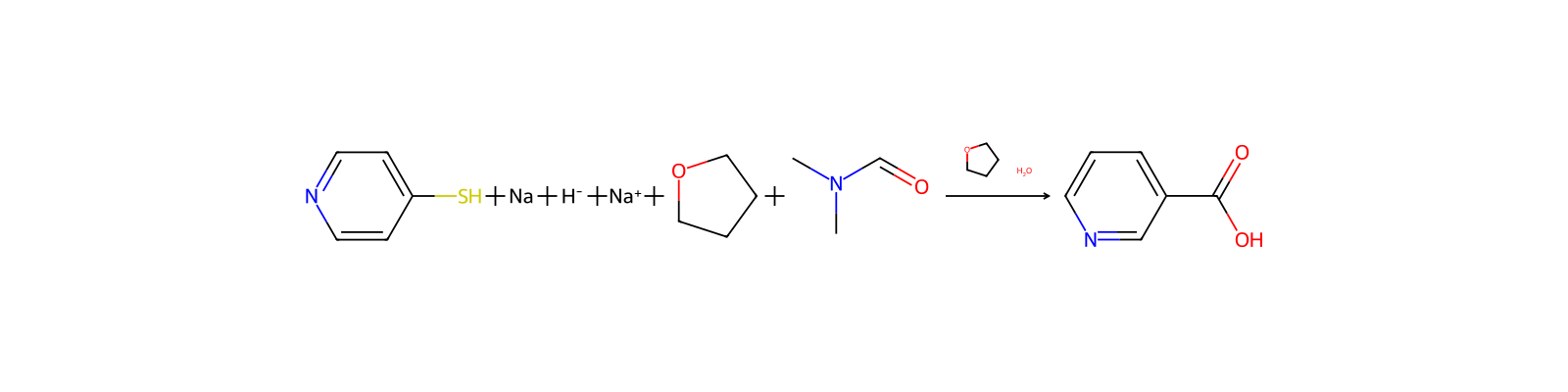
HRID 3926 반응식
HRID 3926생성물로uspto-grants-1988_02
HRID 4572 반응식
HRID 4572반응물로uspto-grants-1988_02
HRID 4578 반응식
HRID 4578반응물로uspto-grants-1988_02
HRID 5011 반응식
HRID 5011반응물로uspto-grants-1993_09
HRID 21493 반응식
HRID 21493생성물로uspto-grants-1995_06
HRID 21494 반응식
HRID 21494생성물로uspto-grants-1995_06
HRID 42620 반응식
HRID 42620반응물로uspto-grants-2013_09
HRID 43389 반응식
HRID 43389반응물로uspto-grants-2013_09
1 / 79 페이지

화합물 노트

불러오는 중…

이 페이지에서기본 정보개요이름 및 식별자물성안전 및 규제화학 및 산업관련 반응화합물 노트
더보기
새 노트새 반응견적 요청하기

Needles from alcohol or water

Colorless needles

Solubility · 5건

10 to 50 mg/mL at 63 °F (NTP, 1992)

In water, 1.8X10+4 mg/L at 20 °C

Slightly soluble in water

Slightly soluble in ethanol, ethyl ether

Soluble in alcohol, insoluble in most lipid solvents

물리화학적 성질

녹는점
236 · 236-239 °C(lit.)
끓는 점
260 C · 260C
밀도
1.473 · 1.473
굴절률
1.5423 · 1.5423 (estimate)
인화점
193 °C · 193°C
저장 조건
2 · 2-8°C
용해도
18 g/L · 18g/L
산도 계수 (pKa)
4.85 · 4.85(at 25℃)
물리적 상태
가루
색상
흰색에서 황백색까지
수소이온지수(pH)
2.7 · 2.7 (18g/l, H2O, 20℃)
냄새
무취 ~ 가벼운 냄새, 신맛
생물학적 소스
synthetic (organic)
수용성
17 · 17 ºC에서 1~5g/100mL
Merck
14 · 14,6525
BRN
109591 · 109591
Henry's Law Constant
2.5 · 2.5×104 mol/(m3Pa) at 25℃, Abraham and Jr. (2019)
BCS Class
3 · 3
안정성
안정적인. 강한 산화제와 호환되지 않습니다. 빛에 민감할 수 있습니다.
주요 응용
농업
화장품 원료 기능
피부결을 정돈하다대전방지제
InChI
1S/C6H5NO2/c8-6(9)5-2-1-3-7-4-5/h1-4H,(H,8,9)
InChIKey
PVNIIMVLHYAWGP-UHFFFAOYSA-N
SMILES
OC(=O)c1cccnc1
LogP
0.36 · 0.360
NIST
Niacin(59-67-6)
EPA
Nicotinic acid (59-67-6)
화학적 성질 · 1건

NIACIN is sometimes referred to as nicotinic acid or nicotinamide and earlier called the P-P factor, antipellagra factor, antiblacktongue factor, and vitamin B4, niacin is available in several forms (niacin, niacinamide, niacinamide ascorbate, etc.) for use as a nutrient and dietary supplement. Niacin is frequently identified with the B complex vitamin grouping. Early in the research on niacin, a nutritional niacin deficiency was identified as the cause of pellagra in humans, blacktongue in dogs, and certain forms of dermatosis in humans. Niacin deficiency is also associated with perosis in chickens as well as poor feathering of the birds.

Hazards Summary · 1건

A mild eye irritant; [ICSC] Flushing of the skin accompanied by itching, tingling, and warmness have been observed following occupational exposure; [IUCLID] Ingestion of large amounts, e.g., by drug abusers attempting to mask drugs in the urine, can cause vomiting, abdominal pain, dizziness, and hypoglycemia followed by persistent hyperglycemia, acidosis, hypotension, and coagulopathy; Also, chronic, excessive use may cause hepatitis; [Olson, p. 445-6] May cause mild upper respiratory tract irritation; [NTP] An irritant that may cause severe eye irritation; [Sigma-Aldrich MSDS] See Nicotinamide.

FDA Requirements · 3건

Substance added directly to human food affirmed as generally recognized as safe (GRAS).

Niacin used as a nutrient and/or dietary supplement in animal drugs, feeds, and related products is generally recognized as safe when used in accordance with good manufacturing or feeding practice.

The Approved Drug Products with Therapeutic Equivalence Evaluations identifies currently marketed prescription drug products, including niacin, approved on the basis of safety and effectiveness by FDA under sections 505 of the Federal Food, Drug, and Cosmetic Act.

Reactive GroupAcids, Carboxylic
Special ReportsCosmetic Ingredient Review (CIR) Expert Panel; Final Report of the Safety Assessment of Niacinamide and Niacin; Intl J of Toxicology 24 (Suppl 5): 12 (2005)
Reactivity ProfileNICOTINIC ACID is incompatible with strong oxidizers. It is also incompatible with sodium nitrite. (NTP, 1992)
Chemical DangersOn combustion, forms toxic gases including nitrogen oxides. Reacts with oxidants, strong acids and bases.
Physical DangersDust explosion possible if in powder or granular form, mixed with air.
Air and Water ReactionsWater soluble.

안전 및 보호

Fire Fighting · 2건

Fires involving this material can be controlled with a dry chemical, carbon dioxide or Halon extinguisher. A water spray may also be used. (NTP, 1992)

Use water spray, foam, powder, carbon dioxide.

First Aid Measures · 4건

Fresh air, rest.

Rinse skin with plenty of water or shower.

Rinse with plenty of water (remove contact lenses if easily possible).

Rinse mouth. Give one or two glasses of water to drink.

First Aid · 1건

EYES: First check the victim for contact lenses and remove if present. Flush victim's eyes with water or normal saline solution for 20 to 30 minutes while simultaneously calling a hospital or poison control center. Do not put any ointments, oils, or medication in the victim's eyes without specific instructions from a physician. IMMEDIATELY transport the victim after flushing eyes to a hospital even if no symptoms (such as redness or irritation) develop.

Safe StorageStore in an area without drain or sewer access. Separated from strong acids, bases and oxidants.
Fire Fighting Procedures · 2건

Suitable extinguishing media: Use water spray, alcohol-resistant foam, dry chemical or carbon dioxide.

Advice for firefighters: Wear self-contained breathing apparatus for firefighting if necessary.

Storage Conditions · 2건

Keep container tightly closed in a dry and well-ventilated place. Light sensitive.

Niacin should be stored in well-closed, light-resistant containers at 20-25 °C. When stored under these conditions, Niaspan extended-release and Niacor immediate-release tablets are stable for 3 and 2 years, respectively, after the date of manufacture. The fixed-combination preparation containing extended-release niacin and lovastatin (Advicor) should be stored at room temperature (20-25 °C).

Cleanup Methods · 1건

ACCIDENTAL RELEASE MEASURES: Personal precautions, protective equipment and emergency procedures: Use personal protective equipment. Avoid dust formation. Avoid breathing vapors, mist or gas. Ensure adequate ventilation. Avoid breathing dust. Environmental precautions: Prevent further leakage or spillage if safe to do so. Do not let product enter drains. Discharge into the environment must be avoided. Methods and materials for containment and cleaning up: Pick up and arrange disposal without creating dust. Sweep up and shovel. Keep in suitable, closed containers for disposal.

Nonfire Spill Response · 1건

SMALL SPILLS AND LEAKAGE: If you spill this chemical, you should dampen the solid spill material with water, then transfer the dampened material to a suitable container. Use absorbent paper dampened with water to pick up any remaining material. Seal your contaminated clothing and the absorbent paper in a vapor-tight plastic bag for eventual disposal. Wash all contaminated surfaces with a soap and water solution. Do not reenter the contaminated area until the Safety Officer (or other responsible person) has verified that the area has been properly cleaned.

Disposal Methods · 2건

SRP: Recycle any unused portion of the material for its approved use or return it to the manufacturer or supplier. Ultimate disposal of the chemical must consider: the material's impact on air quality; potential migration in air, soil or water; effects on animal, aquatic and plant life; and conformance with environmental and public health regulations. If it is possible or reasonable use an alternative chemical product with less inherent propensity for occupational harm/injury/toxicity or environmental contamination.

Product: Offer surplus and non-recyclable solutions to a licensed disposal company. Contact a licensed professional waste disposal service to dispose of this material; Contaminated packaging: Dispose of as unused product.

Spillage Disposal · 1건

Personal protection: particulate filter respirator adapted to the airborne concentration of the substance. Do NOT let this chemical enter the environment. Sweep spilled substance into covered containers. If appropriate, moisten first to prevent dusting. Carefully collect remainder. Then store and dispose of according to local regulations.

Preventive Measures · 5건

ACCIDENTAL RELEASE MEASURES: Personal precautions, protective equipment and emergency procedures: Use personal protective equipment. Avoid dust formation. Avoid breathing vapors, mist or gas. Ensure adequate ventilation. Avoid breathing dust. Environmental precautions: Prevent further leakage or spillage if safe to do so. Do not let product enter drains. Discharge into the environment must be avoided.

Precautions for safe handling: Avoid contact with skin and eyes. Avoid formation of dust and aerosols. Further processing of solid materials may result in the formation of combustible dusts. The potential for combustible dust formation should be taken into consideration before additional processing occurs. Provide appropriate exhaust ventilation at places where dust is formed.

Appropriate engineering controls: Handle in accordance with good industrial hygiene and safety practice. Wash hands before breaks and at the end of workday.

Gloves must be inspected prior to use. Use proper glove removal technique (without touching glove's outer surface) to avoid skin contact with this product. Dispose of contaminated gloves after use in accordance with applicable laws and good laboratory practices. Wash and dry hands.

SRP: Local exhaust ventilation should be applied wherever there is an incidence of point source emissions or dispersion of regulated contaminants in the work area. Ventilation control of the contaminant as close to its point of generation is both the most economical and safest method to minimize personnel exposure to airborne contaminants. Ensure that the local ventilation moves the contaminant away from the worker.

Eye PreventionWear safety goggles.

독성 정보

Body Burden · 1건

Nicotinic acid is widely distributed in nature and is the precursor to coenzymes NAD (nicotinamide adenine dinucleotide) and NADP (nicotinamide adenine dinucleotide phosphate)(1). An antipellagra vitamin, it is essential to many animals for growth and health. In humans, niacin is believed necessary, along with other vitamins, for the prevention and cure of pellagra. It functions in protein and carbohydrate metabolism. As a component of two important enzymes, coenzymes I and II, it functions in glycolysis and tissue respiration(2). Nicotinic acid has been reported in humans at 1.47 mg/L(3).

TreatmentSupportive measures should be undertaken in the event of an overdose. (L1712)
Interactions · 5건

Chronic kidney disease (CKD) in patients is strongly associated with cardiovascular morbidity and mortality, and prevalent abnormal lipid metabolism. The AIM-HIGH trial examined the benefits of adding extended-release niacin (ERN) to simvastatin in patients with established coronary heart disease. Here we conducted a post hoc analysis of the AIM-HIGH trial examining whether participants derived cardiovascular or renal benefits when stratified by renal function. Of 3414 participants, 505 had stage 3 CKD at baseline. Among the CKD subset, demographics and cardiovascular disease (CVD) risk factors were well balanced in the ERN and placebo arms. Compared with placebo, CKD participants receiving ERN had a significant decrease in triglycerides by a median of 59.0 mg/dL, and high-density lipoprotein cholesterol significantly increased by a mean of 11.3 mg/dL over a mean follow-up of 3 years. CVD events were similar between CKD participants in both arms. However, all-cause mortality was significantly higher in the ERN group (hazard ratio of 1.73). Mean change in eGFR among ERN-treated CKD participants was not significantly different between study arms. Thus, among AIM-HIGH participants with CKD, the addition of ERN to simvastatin for secondary prevention of CVD improved triglyceride and high-density lipoprotein-cholesterol concentrations but did not improve cardiovascular outcomes or kidney function, and was associated with higher all-cause mortality.

The risk of developing myopathy and rhabdomyolysis is increased in patients receiving niacin (particularly at antilipemic dosages [exceeding 1 g daily]) concomitantly with statins. ... Myopathy or rhabdomyolysis has occurred in some patients receiving certain statins concomitantly with antilipemic dosages of niacin. However, some manufacturers state that no cases of rhabdomyolysis were reported in 124 patients receiving extended-release niacin (Niaspan) concomitantly with various statins; rhabdomyolysis also was not reported in 1079 patients receiving extended-release niacin in fixed combination with lovastatin (Advicor) for up to 2 years. Other severe adverse effects, including disturbances in glycemic control requiring hospitalization, development of diabetes mellitus, adverse GI effects, myopathy, gout, rash, skin ulceration, infection, and bleeding, have been reported in patients with established cardiovascular disease following concomitant use of extended-release niacin with statin-based therapy. ... Therefore, the potential benefits (e.g., further alterations in lipid concentrations) of concomitant use of antilipemic dosages of niacin with statins should be weighed carefully against the possible risks of severe adverse effects, and caution is advised if such concomitant therapy is employed. The manufacturer of atorvastatin states that lower initial and maintenance dosages of this statin should be considered during concomitant therapy with antilipemic dosages of niacin, and patients should be carefully monitored for manifestations of muscle pain, tenderness, or weakness, particularly during the initial months of therapy and following an increase in dosage of either drug. The manufacturers of fluvastatin, pitavastatin, and pravastatin state that dosage reduction of these statins should be considered when used concomitantly with antilipemic dosages of niacin.

Concomitant use of aspirin may decrease the metabolic clearance of niacin; the clinical relevance of this interaction has not been fully elucidated.

Niacin reportedly potentiates the hypotensive effects of ganglionic blocking and vasoactive drugs, resulting in postural hypotension.

For more Interactions (Complete) data for Nicotinic acid (25 total), please visit the HSDB record page.

Health Effects · 1건

Niacin at extremely high doses can have life-threatening acute toxic reactions. Extremely high doses of niacin can also cause niacin maculopathy, a thickening of the macula and retina which leads to blurred vision and blindness. This maculopathy is reversible after stopping niacin intake. Side effects of hyperglycemia, cardiac arrhythmias and birth defects have also been reported. (A729)

Hepatotoxicity · 1건

Niacin in doses above 500 mg daily causes transient, asymptomatic elevations in serum aminotransferase levels in up to 20% of people. The elevations are rarely greater than 3 times the upper limit of the normal range and usually resolve spontaneously even with continuation of the drug. The effect is partially dose related and is more common with doses above 3 g/day. In some patients, there is an overall decrease in serum proteins synthesized by the liver and, in some instances, coagulopathy with an increase in prothrombin time and decline in serum albumin, coagulation factors and apolipoproteins. These changes resolve rapidly upon stopping therapy and may not recur with lower doses.

Ecotoxicity Values · 4건

LD50; Species: Coturnix coturnix (Quail) oral > 1000 mg/kg

EC50; Species: Daphnia magna (Water flea); Concentration: 77 mg/L for 48 hr; Effect: immobilization /Conditions of bioassay not specified in source examined/

EC50; Species: Scenedesmus subspicatus (Green algae); Concentration: 89.93 mg/L for 72 hr; Effect: Growth inhibition /Conditions of bioassay not specified in source examined/

LC50; Species: Salmo trutta (Brown trout); Conditions: static; Concentration: 520 mg/L for 96 hr /Technical material, 99.8%/

Environmental Fate · 3건

TERRESTRIAL FATE: Based on a classification scheme(1), an estimated Koc value of 8(SRC), determined from a structure estimation method(2), indicates that nicotinic acid is expected to have very high mobility in soil(SRC). The pKa of nicotinic acid is 4.75(3), indicating that this compound will exist almost entirely in the anion form in the environment and anions generally do not adsorb more strongly to soils containing organic carbon and clay than their neutral counterparts(4). Nicotinic acid is not expected to volatilize from dry soil surfaces(SRC) based upon an estimated vapor pressure of 9.4X10⁻⁵ mm Hg at 25 °C(SRC), determined from a fragment constant method(2). In aqueous, aerobic soil suspensions, nicotinic acid was completely degraded after 2 to 4 days of incubation(5), suggesting that biodegradation may be an important environmental fate process in soil(SRC).

AQUATIC FATE: Based on a classification scheme(1), an estimated Koc value of 8(SRC), determined from a structure estimation method(2), indicates that nicotinic acid is not expected to adsorb to suspended solids and sediment(SRC). A pKa of 4.75(3) indicates nicotinic acid will exist almost entirely in the anion form at pH values of 5 to 9 and, therefore, volatilization from water surfaces is not expected to be an important fate process(SRC). According to a classification scheme(4), an estimated BCF of 3(SRC), from its log Kow of 0.36(5) and a regression-derived equation(2), suggests the potential for bioconcentration in aquatic organisms is low(SRC). In aqueous, aerobic soil suspensions, nicotinic acid was completely degraded after 2 to 4 days of incubation(6), suggesting that biodegradation may be an important environmental fate process in water(SRC).

ATMOSPHERIC FATE: According to a model of gas/particle partitioning of semivolatile organic compounds in the atmosphere(1), nicotinic acid, which has an estimated vapor pressure of 9.4X10⁻⁵ mm Hg at 25 °C(SRC), determined from a fragment constant method(2), will exist in both the vapor and particulate phases in the ambient atmosphere. Vapor-phase nicotinic acid is degraded in the atmosphere by reaction with photochemically-produced hydroxyl radicals(SRC); the half-life for this reaction in air is estimated to be 22 days(SRC), calculated from its rate constant of 1.72X10⁻¹³ cu cm/molecule-sec at 25 °C(3). Particulate-phase nicotinic acid may be removed from the air by wet and dry deposition(SRC). Nicotinic acid absorbs UV light at wavelength 263 nm(4) and, therefore, is not expected to be susceptible to direct photolysis since sunlight consists of wavelengths above 290 nm(SRC).

Food Survey Values · 3건

Substantial amounts of nicotinic acid are found in fish, yeast and ceral grains(1). The compound is especially concentrated in brewer's yeast, wheat germ and liver(2). The average cup of coffee contains between 1-2 mg nicotinic acid, depending on roasting conditions(2). The nicotinic acid content of several nuts has been reported (in mg/kg) as follows: chestnut, 200; hazel nut, 600; almond, 1600; and sunflower seed, 5000(3).

Nicotinic Acid and Nicotinamide (Vitamin B3) Foodstuff Content(1). [Table#4461]

Nicotinic Acid and Nicotinamide (Vitamin B3) in Coffee(1). [Table#4462]

Adverse Effects · 2건

Occupational hepatotoxin - Secondary hepatotoxins: the potential for toxic effect in the occupational setting is based on cases of poisoning by human ingestion or animal experimentation.

Hepatotoxicity: The most severe adverse effect is niacin hepatotoxicity. Mild elevation of hepatic transaminase levels, up to double the upper limit of the normal range, is common.

Exposure RoutesOral (L1436) ; Intramuscular (L1436). Both nicotinic acid and nicotinamide are efficiently absorbed from the stomach and small intestine.
Milk ConcentrationsNicotinic acid has been reported in the milk of various mammals (in mg/L) as follows: cow, 0.85; goat, 1.87; sheep, 4.27; horse, 0.58; human, 1.47; pig, 8.35; whale, 20.40(1).
Toxicity Summary · 4건

Safe in the present practices of use and concentration. Ingredient, concentration, and use information are available in documents discoverable at https://cir-reports.cir-safety.org

IDENTIFICATION AND USE: Nicotinic acid (Niacin) is a solid. It is a part of the vitamin B complex. Niacin and niacinamide (also known as nicotinamide) are similarly effective as a vitamin because they can be converted into each other within the organism. The blanket term vitamin B(3) is used for both. Niacinamide is a component of important coenzymes involved in hydrogen transfer. Niacin is used in medicine as a cholesterol-lowering agent, nutrition, feeds, enriched flours, and as a dietary supplement. It is also an electroplating bath ingredient. HUMAN STUDIES: A deficiency of this vitamin causes pellagra, a disease characterized by dermatitis, diarrhea, and dementia that is endemic today in parts of India and China, and may result in death in severe cases. Niacin deficiency is rare in the United States but may still be seen in alcoholics, dietary cultists, and patients with malabsorption syndrome. In single doses of 50 mg niacin, intense flushing and pruritus have been reported. When the practice of giving niacin in doses ranging upward to 30 g or more a day was advocated, more serious toxicity was noted. These effects included intense flushing and unbearable pruritus, skin rash, heartburn, nausea and vomiting, diarrhea, ulcer activation, abnormal liver function, hypotension, tachycardia, fainting, hyperglycemia, hyperbilirubinemia and jaundice, dermatoses, hyperuricemia, elevated serum enzymes, and hyperkeratosis of the skin. A greater incidence of atrial fibrillation and other cardiac arrhythmias is seen in persons taking niacin. One of the most significant adverse reactions of niacin is the hepatotoxicity seen in dosages exceeding 3 g/day. Sensitivity to the skin flush effect of niacin is reduced in a portion of patients with schizophrenia. As a precursor of pyridine nucleotides (nicotinamide adenine dinucleotide (NAD) and nicotinamide adenine dinucleotide phosphate (NADP), niacin participates in the function of numerous enzymatic pathways, which are critical for normal cell metabolism, involving, for example redox reactions and those that consume NAD. ANIMAL STUDIES: Niacin administered to mice for a lifetime as a 1% solution in drinking water was not carcinogenic. A decreased growth rate in male rats fed diets containing 10% casein and large amounts of niacin daily was reported. A slight decrease in growth rate was noted at the 2% level with niacin, but not at 1%. Fatty liver formation was noted at both niacin feeding levels. Niacin administration to pregnant rats during the period of organogenesis at oral doses up to 200 mg/kg/day was without adverse effects. At 1000 mg/kg/day maternal body weight gain, placental and fetal weights were slightly depressed. Niacin deficiency causes dramatic genomic instability in bone marrow cells in an in vivo rat model. The end result is seen in the increased incidence of sister chromatid exchanges, micronuclei, chromosomal aberrations and the eventual development of nitrosourea-induced leukemias. Pigs deficient in niacin have inflammatory lesions of the digestive tract and exhibit diarrhea, weight loss, rough skin and coat, and dermatitis on the ears. Niacin deficiency in poultry is characterized by severe metabolic disorders in the skin and digestive organs. An Ames test using Salmonella typhimurium strains TA92, TA1535, TA100, TA1537, TA94 and TA98, with and without metabolic activation, and a chromosome aberration test using a Chinese hamster fibroblast cell line were carried out on niacin. Niacin tested negative at maximum concentrations of 10 mg/plate and 2 mg/mL, respectively.

규제 정보

FDA Requirements · 3건

Substance added directly to human food affirmed as generally recognized as safe (GRAS).

Niacin used as a nutrient and/or dietary supplement in animal drugs, feeds, and related products is generally recognized as safe when used in accordance with good manufacturing or feeding practice.

The Approved Drug Products with Therapeutic Equivalence Evaluations identifies currently marketed prescription drug products, including niacin, approved on the basis of safety and effectiveness by FDA under sections 505 of the Federal Food, Drug, and Cosmetic Act.

안전 데이터

wgk
1
tsca
TSCA listed
rtecs
QT0525000
ridadr
UN1230 - class 3 - PG 2 - Methanol, solution
독성
LD50 s.c. in rats: 5 g/kg (Brazda, Coulson)
HS 번호
2936290090
risk_code
36/37/38-36-39/23/24/25-23/24/25-11
hazard_code
Xi,T,F
safety_code
26-36-24/25-45-36/37-16-7
기존화학 물질
KE-29937
F 고인화성물질
8
자연 발화 온도
>365 °C Dust
Hazard Classifications
Eye Irrit. 2
스토리지 클래스
11 - Combustible Solids
유해 물질 데이터
59-67-6(Hazardous Substances Data)
Data regarding the protein binding of niacin is not readily available.
Pharmacodynamics · 1건

Niacin is a B vitamin used to treat vitamin deficiencies as well as hyperlipidemia, dyslipidemia, hypertriglyceridemia, and to reduce the risk of myocardial infarctions. Niacin acts to decrease levels of very low density lipoproteins and low density lipoproteins, while increasing levels of high density lipoproteins. Niacin has a wide therapeutic window with usual oral doses between 500mg and 2000mg. Patients with diabetes, renal failure, uncontrolled hypothyroidism, and elderly patients taking niacin with simvastatin or lovastatin are at increased risk of myopathy and rhabdomyolysis.

Mechanism of Action · 4건

Niacin performs a number of functions in the body and so has many mechanisms, not all of which have been fully described. Niacin can decrease lipids and apolipoprotein B (apo B)-containing lipoproteins by modulating triglyceride synthesis in the liver, which degrades apo B, or by modulating lipolysis in adipose tissue. Niacin inhibits hepatocyte diacylglycerol acyltransferase-2. This action prevents the final step of triglyceride synthesis in hepatocytes, limiting available triglycerides for very low density lipoproteins (VLDL). This activity also leads to intracellular degradation of apo B and decreased production of low density lipoproteins, the catabolic product of VLDL. Niacin also inhibits a high density lipoprotein (HDL) catabolism receptor, which increases the levels and half life of HDL.

Prolonged niacin treatment elicits beneficial effects on the plasma lipid and lipoprotein profile that is associated with a protective CVD risk profile. Acute niacin treatment inhibits nonesterified fatty acid release from adipocytes and stimulates prostaglandin release from skin Langerhans cells, but the acute effects diminish upon prolonged treatment, while the beneficial effects remain. To gain insight in the prolonged effects of niacin on lipid metabolism in adipocytes, we used a mouse model with a human-like lipoprotein metabolism and drug response [female APOE*3-Leiden.CETP (apoE3 Leiden cholesteryl ester transfer protein) mice] treated with and without niacin for 15 weeks. The gene expression profile of gonadal white adipose tissue (gWAT) from niacin-treated mice showed an upregulation of the "biosynthesis of unsaturated fatty acids" pathway, which was corroborated by quantitative PCR and analysis of the FA ratios in gWAT. Also, adipocytes from niacin-treated mice secreted more of the PUFA DHA ex vivo. This resulted in an increased DHA/arachidonic acid (AA) ratio in the adipocyte FA secretion profile and in plasma of niacin-treated mice. Interestingly, the DHA metabolite 19,20-dihydroxy docosapentaenoic acid (19,20-diHDPA) was increased in plasma of niacin-treated mice. Both an increased DHA/AA ratio and increased 19,20-diHDPA are indicative for an anti-inflammatory profile and may indirectly contribute to the atheroprotective lipid and lipoprotein profile associated with prolonged niacin treatment.

/The study objective was/ to determine the effects of niacin on adiponectin and markers of adipose tissue inflammation in a mouse model of obesity. Male C57BL/6 mice were placed on a control or high-fat diet (HFD) and were maintained on such diets for the duration of the study. After 6 weeks on the control or high fat diets, vehicle or niacin treatments were initiated and maintained for 5 weeks. Identical studies were conducted concurrently in HCA2 (-/-) (niacin receptor(-/-)) mice. Niacin increased serum concentrations of the anti-inflammatory adipokine, adiponectin by 21% in HFD-fed wild-type mice, but had no effect on lean wild-type or lean or HFD-fed HCA2 (-/-) mice. Niacin increased adiponectin gene and protein expression in the HFD-fed wild-type mice only. The increases in adiponectin serum concentrations, gene and protein expression occurred independently of changes in expression of PPARgamma C/EBPalpha or SREBP-1c (key transcription factors known to positively regulate adiponectin gene transcription) in the adipose tissue. Further, niacin had no effect on adipose tissue expression of ERp44, Ero1-Lalpha, or DsbA-L (key ER chaperones involved in adiponectin production and secretion). However, niacin treatment attenuated HFD-induced increases in adipose tissue gene expression of MCP-1 and IL-1beta in the wild-type HFD-fed mice. Niacin also reduced the expression of the pro-inflammatory M1 macrophage marker CD11c in HFD-fed wild-type mice. Niacin treatment attenuates obesity-induced adipose tissue inflammation through increased adiponectin and anti-inflammatory cytokine expression and reduced pro-inflammatory cytokine expression in a niacin receptor-dependent manner.

Nicotinic acid (niacin), a vitamin of the B complex, has been used for almost 50 years as a lipid-lowering drug. The pharmacological effect of nicotinic acid requires doses that are much higher than those provided by a normal diet. Its primary action is to decrease lipolysis in adipose tissue by inhibiting hormone-sensitive triglyceride lipase. This anti-lipolytic effect of nicotinic acid involves the inhibition of cyclic adenosine monophosphate (cAMP) accumulation in adipose tissue through a G(i)-protein-mediated inhibition of adenylyl cyclase. A G-protein-coupled receptor for nicotinic acid has been proposed in adipocytes. Here, we show that the orphan G-protein-coupled receptor, "protein upregulated in macrophages by interferon-gamma" (mouse PUMA-G, human HM74), is highly expressed in adipose tissue and is a nicotinic acid receptor. Binding of nicotinic acid to PUMA-G or HM74 results in a G(i)-mediated decrease in cAMP levels. In mice lacking PUMA-G, the nicotinic acid-induced decrease in free fatty acid (FFA) and triglyceride plasma levels was abrogated, indicating that PUMA-G mediates the anti-lipolytic and lipid-lowering effects of nicotinic acid in vivo. The identification of the nicotinic acid receptor may be useful in the development of new drugs to treat dyslipidemia.

Biological Half-Life · 4건

The half life of niacin is 0.9h, nicotinuric acid is 1.3h, and nicotinamide is 4.3h.

/The authors/ describe a case of massive oral niacin overdose that resulted in severe persistent hypotension without the manifestation of cutaneous flushing. ... A 56-year-old male with a history of schizophrenia presented to the emergency department after orally ingesting 11,000 mg of niacin. ... Serum niacin levels were 8.2 ug/mL and 5.6 ug/mL at 48 and 96 hours post ingestion, respectively, giving an apparent half-life of 87 hours. ...

Half-life about 45 min.

The plasma half-life of niacin has been reported to range from 20-60 minutes.

Metabolism/Metabolites · 6건

The metabolism of niacin is poorly described in the literature, but the metabolites niacinamide, niacinamide N-oxide, nicotinuric acid, N1-methyl-2-pyridone-5-carboxamide, N1-methyl-4-pyridone-5-carboxamide, and trigonelline have been identified in human urine.

... Nicotinamide is the main substance that is transported between the different tissues as a precursor of nicotinamide adenine dinucleotide (NAD) synthesis. The liver, kidneys, brain and erythrocytes prefer nicotinic acid as a precursor for NAD synthesis, but testes and ovaries prefer nicotinamide. NAD nucleosidase cleaves NAD with nicotinamide as one of the products. This can be deamidated to form nicotinic acid (and re-converted to NAD) or methylated and released via urine. Excretion of the amide (and its metabolites) tends to be more extensive compared to the acid.

Niacin is rapidly metabolized and undergoes extensive first-pass metabolism. The drug is converted to several metabolites, including nicotinuric acid (NUA), nicotinamide, and nicotinamide adenine dinucleotide (NAD). At doses used to treat hyperlipoproteinemia, the principal metabolic pathways appear to be saturable, and niacin is thought to exhibit nonlinear, dose-dependent pharmacokinetics. Nicotinamide does not appear to exert antilipemic effects; the activity of other metabolites on lipoprotein fractions currently are unknown.

After doses of 100 mg of niacin (total dose of 200 mg), the urinary excretion of alkalihydrolyzable niacin derivatives and of N1-methylnicotinamide increased from 6.0 to 14.6 mg and from 2.8 to 5.7 mg after 3 hr in four human subjects, respectively. Chromatographic results showed the major metabolite in the urine to be nicotinuric acid, forming 92-99% of the alkalihydrolysable derivatives. Niacinamide (1-4%) was the other metabolite. There was no free niacin in the urine except in one subject who had intense flushing of the skin soon after ingesting the niacin. In these four subjects, there was a large increase in the excretion of N1-methylnicotinamide, which varied from 6.9 to 16.6 mg/3 hr. The small rise in the tertiary nicotinyl derivatives (0.9 to 1.8 mg) was solely due to niacinamide, since no other nicotinyl compound could be detected on the paper chromatograms. Urine from undosed subjects, averaged 0.53 mg N1-methylnicotinamide for a period of 3 hr. The total content of tertiary alkali-hydrolyzable derivative of niacin ranged from 0.2 to 0.3 mg within 3 hr.

N1-methyl-4- pyridone-3-carboxamide is a major metabolite of niacin and niacinamide which has been found to be synthesized from N1- methylnicotinamide.

For more Metabolism/Metabolites (Complete) data for Nicotinic acid (8 total), please visit the HSDB record page.

FDA Pharmacological Classification · 6건

2679MF687A

NIACIN

Established Pharmacologic Class [EPC] - Nicotinic Acid

Chemical Structure [CS] - Nicotinic Acids

Niacin is a Nicotinic Acid.

NIACIN

MeSH Pharmacological Classification · 3건

Substances that lower the levels of certain LIPIDS in the BLOOD. They are used to treat HYPERLIPIDEMIAS.

Drugs used to cause dilation of the blood vessels.

A group of water-soluble vitamins, some of which are COENZYMES.

Absorption, Distribution and Excretion · 6건

In patients with chronic kidney disease, the Cmax is 0.06µg/mL for a 500mg oral dose, 2.42µg/mL for a 1000mg oral dose, and 4.22µg/mL for a 1500mg oral dose. The Tmax is 3.0 hours for a 1000mg or 1500mg oral dose. The AUC is 1.44µg\*h/mL for a 500mg oral dose, 6.66µg\*h/mL for a 1000mg oral dose, and 12.41µg\*h/mL for a 1500mg oral dose. These values did not drastically differ in patients requiring dialysis.

69.5% of a dose of niacin is recovered in urine. 37.9% of the recovered dose was N-methyl-2-pyridone-5-carboxamide, 16.0% was N-methylnicotinamide, 11.6% was nicotinuric acid, and 3.2% was niacin.

Data regarding the volume of distribution of niacin is not readily available.

Data regarding the clearance of niacin is not readily available.

/MILK/ Niacin is distributed in human milk.

Niacin is rapidly and extensively (60-76% of dose) absorbed following oral administration. Peak plasma concentrations of niacin following administration of an immediate-release (Niacor) or extended-release (Niaspan) niacin preparation generally are attained within 30-60 minutes or 4-5 hours after oral administration, respectively. The bioavailability of 1 tablet containing 1 g of extended-release niacin in fixed combination with 40 mg of lovastatin (Advicor 1 g/40 mg) differs from that of 2 tablets each containing 500 mg of extended-release niacin in fixed combination with 20 mg of lovastatin (Advicor 500 mg/20 mg). ... Peak plasma concentrations of niacin and metabolites following oral administration of Niaspan extended-release tablets appear to be slightly higher in women than in men, possibly because of differences in metabolism. Limited data suggest that women may exhibit greater antilipemic response to niacin than men, possibly because of gender-specific differences in the metabolic rate or volume of distribution of the drug.

Tissue LocationsAdipose Tissue
Cellular LocationsCytoplasm

용도 및 제조

Uses · 6건

CIR ingredient: Niacin

Occurs naturally especially in liver, fish, yeast, and cereal grains; Used as a drug (antilipemic and vitamin); [Merck Index] Used in the chemical, agricultural, animal feed, and food industries, in cosmetics, pharmaceuticals, as a food additive, intermediate, and laboratory chemical; [IUCLID] Used as a medication, nutrient, in animal feeds, enriched flours, as a chemical intermediate, and in electroplating bathes; [HSDB] Used as a nutritional supplement; [FDA] Permitted for use as an inert ingredient in non-food pesticide products; [EPA]

Electroplating [Category: Plate]

Hypolipidemic Agents, Vasodilator Agents, Vitamin B Complex

For nicotinic acid (USEPA/OPP Pesticide Code: 056701) there are 0 labels match. /SRP: Not registered for current use in the U.S., but approved pesticide uses may change periodically and so federal, state and local authorities must be consulted for currently approved uses./

Medicine (cholesterol-lowering agent), nutrition, feeds, enriched flours, dietary supplement

U.S. Production · 4건

2023: 235,012 lb

(1972) 2.49X10+9 GRAMS /NIACIN & NICOTINAMIDE/

(1975) 2.5X10+9 GRAMS /NIACIN & NICOTINAMIDE/

Non-confidential 2016 Chemical Data Reporting (CDR) information on the production and use of chemicals manufactured or imported into the United States. Chemical: Nicotinic acid:

Consumer UsesFlavoring and nutrient
Industry UsesFlavoring and nutrient
Methods of Manufacturing · 4건

In an aqueous solution 5-ethyl-2-methylpyridine is oxidized to nicotinic acid in a single-tube reactor by using an excess of nitric acid. The continuous process takes place at 230-270 °C and 6-8 MPa. Pyridine-2,5-dicarboxylic acid is formed as an intermediate, but is not stable under the reaction conditions, undergoing decarboxylation to nicotinic acid nitrate. Neutralization of the nitrate with 5-ethyl-2-methylpyridine yields nicotinic acid. Water and carbon dioxide formed in the reaction are separated from the product. The nitrogen oxide formed is oxidized with air to nitrogen dioxide and then absorbed in water to yield nitric acid, which is recycled into the process.

Preparation by oxidation of alkyl beta-substituted pyridines

Preparation by oxidation of nicotine

Commercial sources: Synthetic nicotinic acid is made by oxidation of nicotine, quinoline, or 2-methyl-5-ethylpyridine (from ammonia and formaldehyde or acetaldehyde).

Formulations/Preparations · 5건

Table: Niacin Preparations [Table#4463]

Table: Niacin Combination Preparations [Table#4464]

Table: Niacin Preparations [Table#4465]

Grades: National Formulary; Food Chemical Codex; blended with soy flour (animal feeds)

Niacin is commercially available as conventional (immediate-release) and extended-release preparations and in fixed combination with lovastatin. Niacin also is available as a dietary supplement; these preparations are not FDA-labeled for management of dyslipidemias and should not be used as substitutes for prescription-only niacin preparations.

Household ProductsInformation on 1 consumer products that contain Niacin in the following categories is provided:
Use ClassificationCosmetics -> Smoothing; Antistatic
General Manufacturing Information · 6건

Pharmaceutical and Medicine Manufacturing

3-Pyridinecarboxylic acid: ACTIVE

Niacin is a naturally occurring substance. Nicotinic acid is the form present in food of plant origin, whereas nicotinamide occurs in animal products.

The terms niacin, Vitamin B3, and Vitamin PP have been used to refer to both nicotinamide and nicotinic acid.

NIACIN, MOST STABLE OF VIT, IS NOT DESTROYED BY HEATING IN ACID OR ALKALINE SOLN. IT WITHSTANDS MILD OXIDATION, & RETAINS ITS BIOLOGICAL ACTIVITY DURING PROCESSING OF FOOD & PREPN & STORAGE OF PHARMACEUTICALS.

RECOMMENDED ALLOWANCE OF THE DIETARY ALLOWANCES COMMITTEE OF THE NATIONAL RESEARCH COUNCIL, EXPRESSED IN NICOTINIC ACID EQUIVALENTS, IS 6.6 MG/1000 KCAL.

응용 분야 · 4건

개요Niacin is an additive to food on the basis of its nutrient supplement qualities as a vitamin (as an enzyme co-factor). This water-soluble vitamin of the B complex occurs in various animal and plant tissues. It is required by the body for the formation of coenzymes NAD and NADP. A deficiency of niacin results in the disease, pellagra.

역사Huber first synthesized nicotinic acid in 1867. In 1914, Funk isolated nicotinic acid from rice polishings. Goldberger, in 1915, demonstrated that pellagra is a nutritional deficiency. In 1917, Chittenden and Underhill demonstrated that canine blacktongue is similar to pellagra. In 1935, Warburg and Christian showed that niacinamide is essential in hydrogen transport as diphosphopyridine nucleotide (DPN). In the following year, Euler et al. isolated DPN and determined its structure. In 1937, Elvhehjem et al. cured blacktongue by administration of niacinamide derived from liver. In the same year, Fouts et al. cured pellagra with niacinamide. In 1947, Handley and Bond established conversion of tryptophan to niacin by animal tissues.

용도Nicotinic acid is also known as niacin and vitamin B3. It is a water-soluble conditioning agent that improves rough, dry, or flaky skin, helping smooth the skin and improve its suppleness. niacin enhances the appearance and feel of hair, by increasing body, suppleness, or sheen, or by improving the texture of hair that has been damaged physically or by chemical treatment. When used in the formulation of skin care products, niacinamide and niacin enhance the appearance of dry or damaged skin by reducing flaking and restoring suppleness.

일반 설명Nicotinic acid, 3-pyridinecarboxylicacid (Niacin), is effective in the treatment of all types ofhyperlipoproteinemia except type I, at doses above thosegiven as a vitamin supplement. The drug reduces VLDLsynthesis and, subsequently, its plasma products, IDL andLDL. Plasma triglyceride levels are reduced because of thedecreased VLDL production. Cholesterol levels are lowered,in turn, because of the decreased rate of LDL formationfrom VLDL. Although niacin is the drug of choicefor type II hyperlipoproteinemias, its use is limited becauseof the vasodilating side effects. Flushing occurs inpractically all patients but generally subsides when thedrug is discontinued.The hypolipidemic effects of niacin may be caused byits ability to inhibit lipolysis (i.e., prevent the release ofFFAs and glycerol from fatty tissues). Therefore, there is areduced reserve of FFA in the liver and diminution oflipoprotein biosynthesis, which reduces the production ofVLDL. The decreased formation of lipoproteins leads to apool of unused cholesterol normally incorporated inVLDL. This excess cholesterol is then excreted throughthe biliary tract.

상·하류 제품 정보

상류 원료

니코틴산아미드tobaccop-클로로벤즈알데히드Potassium smokeVanadium catalyst이산화 망간니코틴β-피콜린소듐니코티네이트;3-피리디네카복실릭애씨드,소듐염(1:1)오존질산황산동(II)과망간산칼륨수산화나트륨6-히드록시퀴노린Activated carbon,decolor구연산철 암모늄3-시아노피린딘

하류 제품

5-Aminonicotinic acid니코틴산아미드플루아지포프-P-뷰틸N-Benzylniacin2-퓨란메탄올 호모중합체Nicotinyl chloride hydrochloride2-클로로-5-(클로로메틸)피리딘2-아미노-1,4-벤젠 다이설폰산N,N-Diethylnicotinamide5-BROMO-3-포르미피리딘6-Cyanonicotinic acid안트라퀴논2-Aminosulfonyl-N,N-dimethylnicotinamide소듐니코티네이트;3-피리디네카복실릭애씨드,소듐염(1:1)5-Bromo-3-pyridinemethanolDichlorosulfophenyl-3-methylpyrazolone2-Chloropyridine-3,4-dicarboxylic acid메타닐산에틸리놀리에이트3-아세틸피리딘3,3'-Dipicolylamine1-아미노안트라퀴논디메틸설페이트
추가 설명 · 4건

순도시험(1) 융점 : 이 품목의 융점은 234~238℃이어야 한다. (2) 염화물 : 이 품목 0.5g을 취하여 염화물시험법에 따라 시험할 때, 그 양은 0.01N 염산 0.3mL에 대응하는 양 이하이어야 한다. (3) 황산염 : 이 품목 0.5g을 취하여 황산염시험법에 따라 시험할 때, 그 양은 0.01N 황산 0.2mL에 대응하는 양 이하이어야 한다. (4) 납 : 이 품목 5.0g을 취하여 원자흡광광도법 또는 유도결합플라즈마발광광도법에 따라 시험할 때, 그 양은 2.0ppm 이하이어야 한다.

확인시험(1) 이 품목에 약 2배 가량의 2,4-디니트로클로로벤젠을 혼화한 것 10mg을 시험관에 취하여 가열하여 몇 초 동안 녹이고 식힌 다음 알콜성수산화칼륨시액 3mL를 가하면 적~적자색을 나타낸다. (2) 이 품목 50mg을 물 20mL에 녹이고 0.1N 수산화나트륨용액으로 중화한 다음 황산동시액 3mL를 가하면 천천히 청색의 침전이 생긴다.

정량법이 품목을 약 0.3g을 정밀히 달아 물에 녹여 50mL로 하여 0.1N 수산화나트륨용액으로 적정한다(지시약 : 페놀프탈레인시액 5방울).0.1N 수산화나트륨용액 1mL = 12.31mg C6H5O2N

정의ChEBI: Nicotinic acid is a pyridinemonocarboxylic acid that is pyridine in which the hydrogen at position 3 is replaced by a carboxy group. It has a role as an antidote, an antilipemic drug, a vasodilator agent, a metabolite, an EC 3.5.1.19 (nicotinamidase) inhibitor, an Escherichia coli metabolite, a mouse metabolite, a human urinary metabolite and a plant metabolite. It is a vitamin B3, a pyridinemonocarboxylic acid and a pyridine alkaloid. It is a conjugate acid of a nicotinate.

Signs and Symptoms of Overdose

Niacin binds to Nicotinate D-ribonucleotide phyrophsopate phosphoribosyltransferase, Nicotinic acid phosphoribosyltransferase, Nicotinate N-methyltransferase and the Niacin receptor. Niacin is the precursor to nicotinamide adenine dinucleotide (NAD) and nicotinamide adenine dinucleotide phosphate (NADP), which are vital cofactors for dozens of enzymes. The mechanism by which niacin exerts its lipid lowering effects is not entirely understood, but may involve several actions, including a decrease in esterification of hepatic triglycerides. Niacin treatment also decreases the serum levels of apolipoprotein B-100 (apo B), the major protein component of the VLDL (very low-density lipoprotein) and LDL fractions.