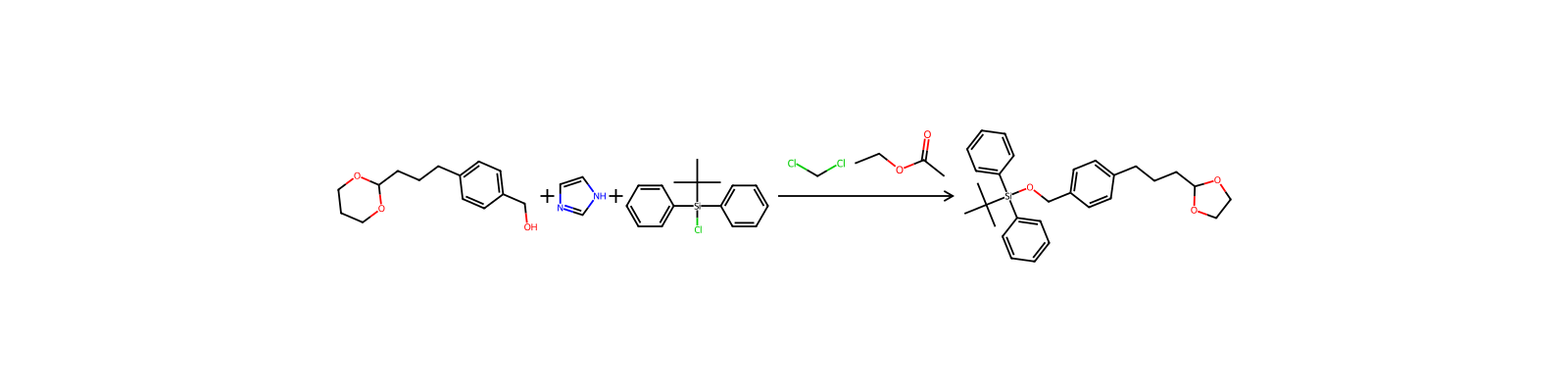
부틸디페닐클로로실란
tert-Butyldiphenylchlorosilane
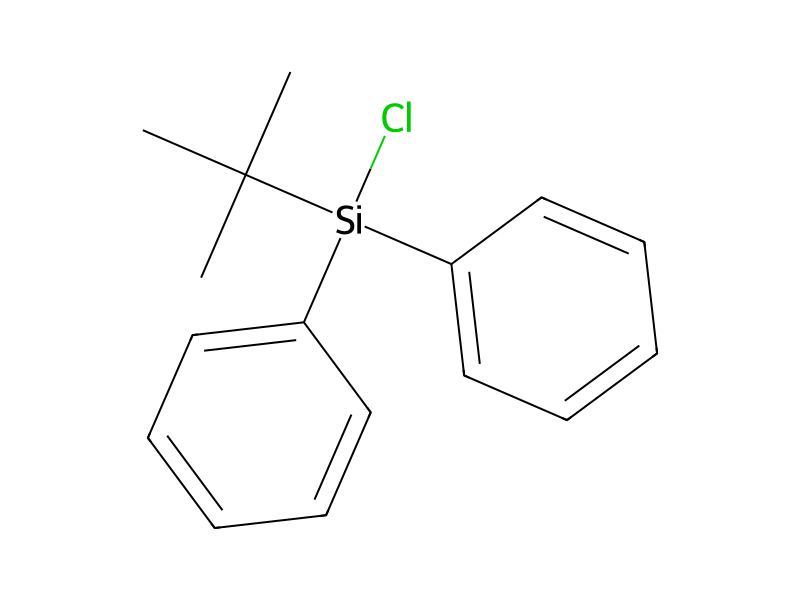
기본 정보
- CAS
58479-61-1- 표준 SMILES
CC(C)(C)[Si](Cl)(c1ccccc1)c1ccccc1- InChIKey
MHYGQXWCZAYSLJ-UHFFFAOYSA-N- 분자식
- C16H19ClSi
- 평균 분자량
- 274.86 g/mol
- 단동위원소 질량
- 274.09445482
이름 및 식별자
- 우선 이름
- tert-Butyldiphenylchlorosilane
- IUPAC
- tert-butyl-chloro-diphenylsilane
- 현지명
- 부틸디페닐클로로실란
- 영어명
- tert-Butylchlorodiphenylsilane
- 분자식
- C16H19ClSi
- 분자량
- 274.86
이름 및 동의어
tert-Butylchlorodiphenylsilane58479-61-1tert-ButyldiphenylchlorosilaneSilane, chloro(1,1-dimethylethyl)diphenyl-TERT-BUTYLDIPHENYLSILYL CHLORIDETBDPS-Cl3BEU48UI4ET-BUPH2SICLEINECS 261-282-0NSC-617386Benzene, 1,1'-(chloro(1,1-dimethylethyl)silylene)bis-DTXSID5069259
이름 더 보기
부틸디페닐클로로실란실란,클로로(1,1-디메틸에틸)디페닐-TERT-뷰틸클로로다이페닐실레인TBDPSTBDPSCITBDPCLTBDPbutylchlorodiphenylsilaneT-BUTYLCHLORODIPHENYLSILANEtert-Butylchlorodiphenylsilane ,97%
TERT-BUTYLDIPHENYLCHLOROSILANE [MI]1,1'-(CHLORO(1,1-DIMETHYLETHYL)SILYLENE)BISBENZENEBENZENE, 1,1'-[CHLORO(1,1-DIMETHYLETHYL)SILYLENE]BIS-RefChem:896568DTXCID8042395261-282-0TBDPSCltert-Butyl(chloro)diphenylsilane
데이터베이스 식별자
- CAS
58479-61-1- PubChem CID
- 94078
- DTXSID
DTXSID5069259- UNII
- 3BEU48UI4E
- EC Number
- 261-282-0
- Nikkaji
- J149.823A
물성
구조 계산 물성
- 극성 표면적
- 0 Ų
- 수소 결합 공여자 수
- 0
- 수소 결합 수용자 수
- 0
- 회전 가능 결합 수
- 3
- 무거운 원자 수
- 18
- 형식 전하
- 0
- 복잡도
- 239
물리화학적 성질
- 끓는 점
- 90 °C0.01 · 90 °C0.01 mm Hg(lit.)
- 밀도
- 1.057 g/mL · 1.057 g/mL at 25 °C(lit.)
- 굴절률
- 20 · n20/D 1.568(lit.)
- 인화점
- 230 °F · >230 °F
- 저장 조건
- 2 · Inert atmosphere,2-8°C
- 용해도
- 대부분의 유기용매에 섞인다.
- 물리적 상태
- 액체
- Specific Gravity
- 1.074 · 1.074
- 색상
- 투명한 무색~노란색 또는 약간 갈색
- 수용성
- 물과 반응
- BRN
- 644023 · 644023
- InChI
- 1S/C16H19ClSi/c1-16(2,3)18(17,14-10-6-4-7-11-14)15-12-8-5-9-13-15/h4-13H,1-3H3
- InChIKey
- MHYGQXWCZAYSLJ-UHFFFAOYSA-N
- SMILES
- CC(C)(C)[Si](Cl)(c1ccccc1)c2ccccc2
- NIST
- Silane, chloro(1,1-dimethylethyl)diphenyl-(58479-61-1)
- EPA
- Silane, chloro(1,1-dimethylethyl)diphenyl- (58479-61-1)
화학적 성질
Tert-Butylchlorodiphenylsilane is a colorless to pale brown oily liquid with pungent odor, may be used as silylating agent for derivatization of alcohols, ketones, carboxylic acids, amines, amides and mercaptanes selectively into functional groups in different sterical environments.
안전 및 규제
안전 정보는 참고용이며, 공급업체의 물질안전보건자료(SDS), 관련 법규 및 전문가 평가를 대체하지 않습니다.
GHS 분류
GHS Classification
Danger
H314 (100%): Causes severe skin burns and eye damage [Danger Skin corrosion/irritation]
P260, P264, P280, P301+P330+P331, P302+P361+P354, P304+P340, P305+P354+P338, P316, P321, P363, P405, and P501 (click each P-code to see the statement)
Aggregated GHS information provided per 53 reports by companies from 7 notifications to the ECHA C&L Inventory.
유해성 정보
Regulatory Information
Chemical: Silane, chloro(1,1-dimethylethyl)diphenyl-
Silane, chloro(1,1-dimethylethyl)diphenyl-: Does not have an individual approval but may be used under an appropriate group standard
Hazard Classes and CategoriesSkin Corr. 1 (100%)
안전 데이터
- wgk
- 3
- tsca
- TSCA listed
- ridadr
- UN 2987 8/PG 2
- HS 번호
- 29310095
- risk_code
- 14-34-37-29-20/21/22-40
- hazard_code
- C,Xi
- safety_code
- 26-36/37/39-45-8
- 포장분류
- II
- 위험 등급
- 8
- F 고인화성물질
- 10
- 위험 참고 사항
- Irritant/Corrosive
- Hazard Classifications
- Eye Dam. 1Skin Corr. 1BSTOT SE 3
- 스토리지 클래스
- 8A - Combustible corrosive hazardous materials
화학 및 산업
용도 및 제조
General Manufacturing InformationBenzene, 1,1'-[chloro(1,1-dimethylethyl)silylene]bis-: ACTIVE
응용 분야
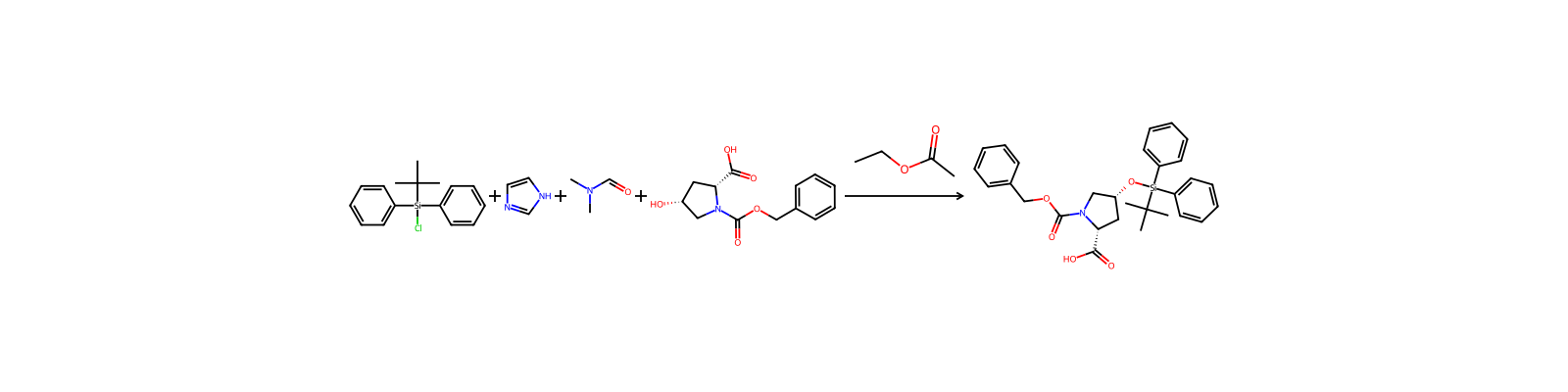
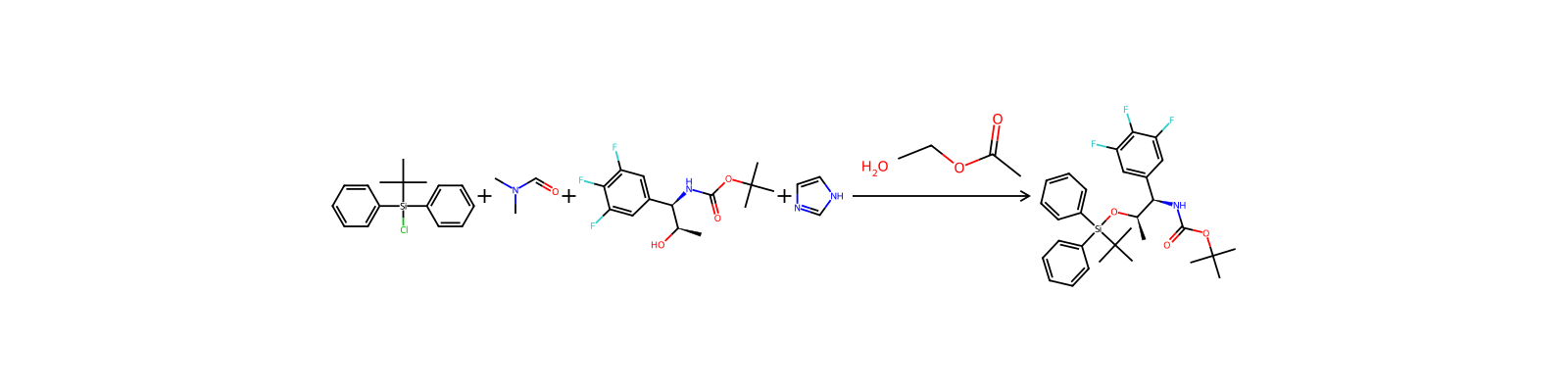
용도Several newmethods have been developed for using the reagent to protect primary and secondary alcohols as their TBDPS ethers. In the presence of ammonium nitrate or ammonium perchlorate, reaction between TBDPS-Cl and a primary alcohol, such as benzyl alcohol, in DMF provided excellent yields of the corresponding silyl ethers in just 15 min (eq 1).19 When silver nitrate was used as promoter, the reactions gave inferior yields under otherwise identical conditions.When TBDPS-Cl is used to react with hemiacetals, it converts hemiacetals into ring-opened silyl ether carbonyl compounds, instead of mixed acetals.Presumably, the sizable TBDPS group presents too much steric hindrance for the formation of the corresponding mixed silyl acetals.
제조 방법
a dry 1 L, three-necked round bottomed flask is equipped with a magnetic stirring bar, a 500mL equalizing dropping funnel fitted with a rubber septum, a reflux condenser, and nitrogen inlet tube. The flask is flushed with nitrogen, then charged with 127 g (0.5 mol) of diphenyldichlorosilane in 300mL of redistilled pentane. A solution of tbutyllithium in pentane (500 mL, 0.55 mol), is transferred under nitrogen pressure to the dropping funnel using a stainless steel, double-tip transfer needle. This solution is slowly added to the contents of the flask and when the addition is complete, the mixture is refluxed 30 h under nitrogen with stirring. The suspension is allowed to cool to rt, the precipitated lithium chloride is rapidly filtered through a pad of Celite, and the latter is washed with 200mL of pentane. The solvent is removed by evaporation, and the colorless residue is distilled through a short (10 cm), Vigreux column, to give 125–132 g of the colorless title compound.
상·하류 제품 정보
상류 원료
관련 반응
948건




화합물 노트
불러오는 중…