Nitrate

기본 정보
- CAS
14797-55-8- 표준 SMILES
O=[N+]([O-])[O-]- InChIKey
NHNBFGGVMKEFGY-UHFFFAOYSA-N- 분자식
- NO3-
- 평균 분자량
- 62.005 g/mol
- 단동위원소 질량
- 61.98781786
개요
Nitrate is a nitrogen oxoanion formed by loss of a proton from nitric acid. Principal species present at pH 7.3. It is a nitrogen oxoanion, a member of reactive nitrogen species and a monovalent inorganic anion. It is a conjugate base of a nitric acid.
이름 및 식별자
- 우선 이름
- Nitrate
- IUPAC
- nitrate
- 영어명
- NITRATE
- 분자식
- NO3-
- 분자량
- 62
이름 및 동의어
nitrateNITRATE ION14797-55-8NitratesNitrate(1-)trioxonitrate(1-)trioxidonitrate(1-)INORGANIC NITRATEST93E9Y2844DTXSID5024217CHEBI:17632RefChem:6470
이름 더 보기
질산염NITRATE STANDARDSEKKEN-KNANO2 99% MINSODIUM NITRATNITROGEN STANDARDNITRATE IC STANDARDNITRATE ION STANDARD
DTXCID904217NO3-MFCD00144920UN3218CHEMBL186200Nitrate (6CI,7CI,8CI,9CI)UN1447NO3
데이터베이스 식별자
- CAS
14797-55-8- PubChem CID
- 943
- DTXSID
DTXSID5024217- ChEMBL
CHEMBL186200- ChEBI
CHEBI:17632- UNII
- T93E9Y2844
- Nikkaji
- J215.749G
물성
구조 계산 물성
- XLogP
- -1.4
- 극성 표면적
- 62.9 Ų
- 수소 결합 공여자 수
- 0
- 수소 결합 수용자 수
- 3
- 회전 가능 결합 수
- 0
- 무거운 원자 수
- 4
- 형식 전하
- -1
- 복잡도
- 18.8
실험 및 물리화학적 성질
Chemical ClassesNutrient
SpringerMaterials PropertiesSchoenflies notation
PesticidesPesticide -> EPA IRIS
Endocrine DisruptorsPotential endocrine disrupting compound
Physical DescriptionSolid
물리화학적 성질
- 저장 조건
- 2 · 2-8°C
- 물리적 상태
- 액체
- 색상
- 무색의
- 수용성
- 물과 섞일 수 있습니다.
- InChI
- InChI=1S/NO3/c2-1(3)4/q-1
- InChIKey
- NHNBFGGVMKEFGY-UHFFFAOYSA-N
- SMILES
- [N+]([O-])([O-])=O
- EPA
- Nitrate (14797-55-8)
화학적 성질
A colorless liquid.
안전 및 규제
안전 정보는 참고용이며, 공급업체의 물질안전보건자료(SDS), 관련 법규 및 전문가 평가를 대체하지 않습니다.
유해성 정보
Regulatory Information
Hazard Traits - Hematotoxicity
Regulation (EC) No 1831/2003 (amended)
DOT LabelOxidizer
Fire HazardsExcerpt from ERG Guide 140 [Oxidizers]:
Health HazardsExcerpt from ERG Guide 140 [Oxidizers]:
Reactive GroupNitrate and Nitrite Compounds, Inorganic
Reactivity AlertsExplosive
Reactivity Profile
Mixtures of metal/nonmetal nitrates with alkyl esters may explode, owing to the formation of alkyl nitrates; mixtures of a nitrate with phosphorus, tin (II) chloride, or other reducing agents may react explosively [Bretherick 1979 p. 108-109].
DOT Hazard Classification
Nitrates, inorganic, aqueous solution, n.o.s.
UN3218
Div 5.1 Oxidizer (49 eCFR § 173.127)
PG II: the degree of danger presented by the material is medium
Nitrates, inorganic, n.o.s.
UN1477
Air and Water ReactionsNo rapid reaction with air. No rapid reaction with water.
안전 및 보호
Fire FightingExcerpt from ERG Guide 140 [Oxidizers]:
First AidExcerpt from ERG Guide 140 [Oxidizers]:
화학 및 산업
약리 정보
Metabolism/Metabolites
Intake of some amount of nitrates and nitrites is a normal part of the nitrogen cycle in humans. In vivo conversion of nitrates to nitrites can occur in the gastrointestional tract under the right conditions, significantly enhancing nitrates' toxic potency. The major metabolic pathway for nitrate is conversion to nitrite, and then to ammonia. Nitrites, nitrates, and their metabolites are excreted in the urine. (L1137)
Tissue LocationsAdipose Tissue
용도 및 제조
UsesNitrates and nitrites are naturally produced and may also be found in pesticides. Exposure usually occurs from contact with contaminated soil, food water. Nitrates may also be found in certain drugs. (L1137)
Use ClassificationFood Additives -> COLOUR_RETENTION_AGENT; PRESERVATIVE -> JECFA Functional Classes
응용 분야
개요Nitrate is commonly found in drinking water sources especially in agricultural areas where nitrogen fertilizer is used, and where unregulated shallow private wells are more at the risk of contamination. The World Health Organization (WHO) guideline of 50 ppm and the US maximum contaminant level (MCL) of 45 ppm for nitrate in drinking water have been established for protecting infants from methemoglobinemia, commonly known as blue baby syndrome. The health protective value continues to be a subject of public health interest for many years, with varying opinion on whether it is too high or too low. Evaluation of nitrate will need to include consideration of nitrite because both are closely related in the nitrogen cycle in the environment and the body, and nitrite plays a major role in inducing toxicity after its formation from nitrate. More recently, reports of nitrate in drinking water, especially at levels higher than 50 ppm, have been associated with other health effects other than methemoglobinemia. This toxicological review provides an update on the health effects of nitrate with a focus on methemoglobinemia, reproductive and developmental effects, potential carcinogenicity, and especially endocrine/thyroid effects.
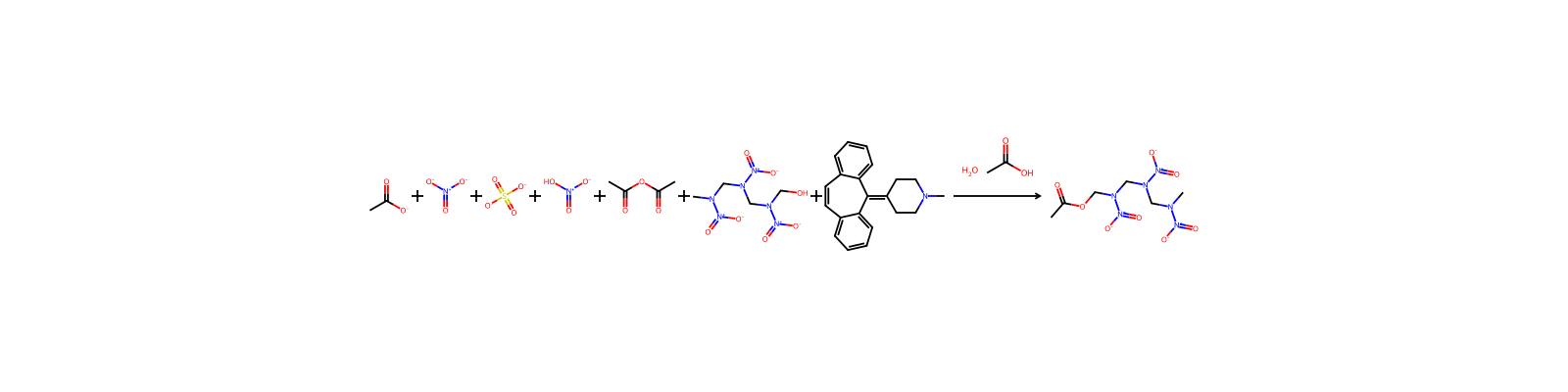
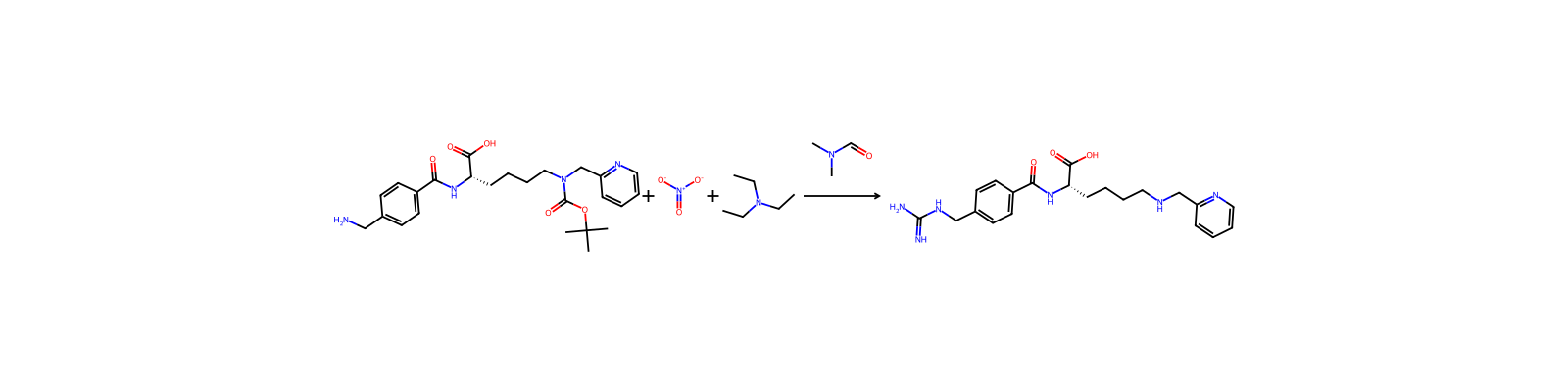
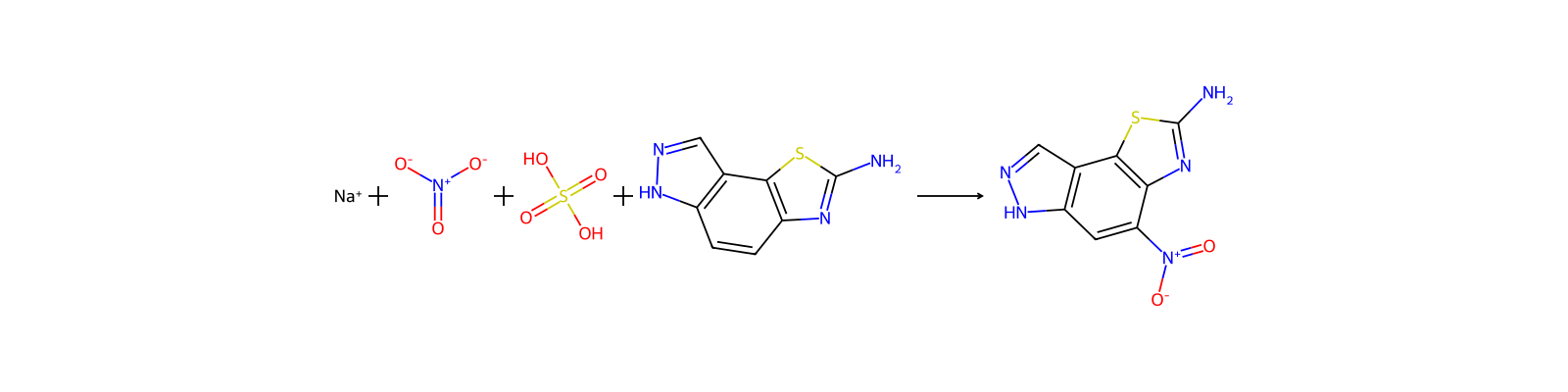
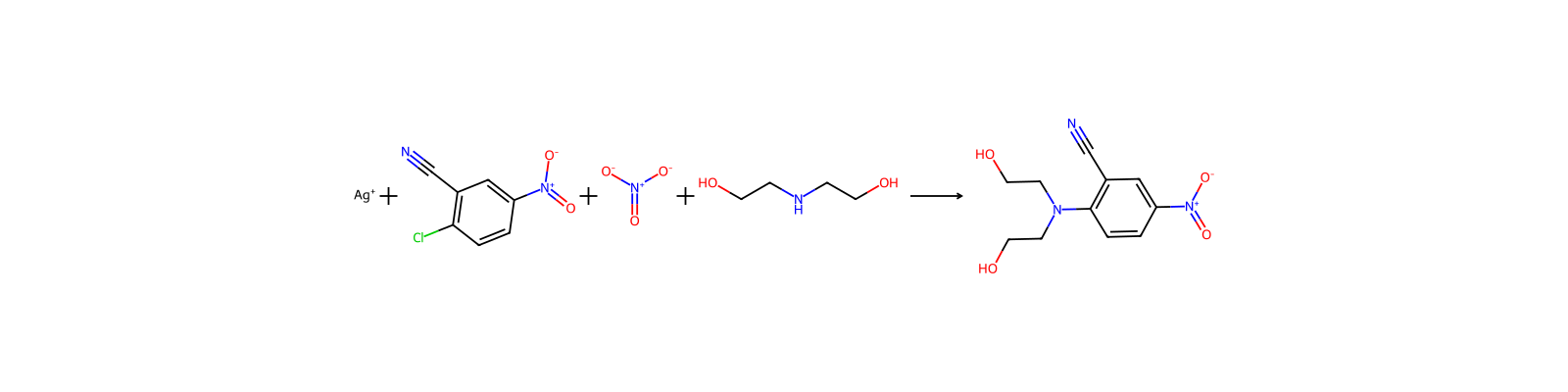
관련 반응
914건




화합물 노트
불러오는 중…