
기본 정보
- 표준 SMILES
O=C(OC(Cl)(Cl)Cl)OC(Cl)(Cl)Cl- InChIKey
UCPYLLCMEDAXFR-UHFFFAOYSA-N- 분자식
- C3Cl6O3
- 평균 분자량
- 296.7 g/mol
- 단동위원소 질량
- 293.79785994
이름 및 식별자
- 우선 이름
- Triphosgene
- IUPAC
- bis(trichloromethyl) carbonate
- 현지명
- 트리포스겐
- 영어명
- Triphosgene
- 분자식
- C3Cl6O3
- 분자량
- 296.73
이름 및 동의어
Triphosgene32315-10-9Bis(trichloromethyl) carbonateMethanol, trichloro-, carbonate (2:1)2C0677Q3B2DTXSID00865631RefChem:120279DTXCID40814022250-986-3bis(trichloromethyl)carbonateditrichloromethyl carbonateC3Cl6O3
이름 더 보기
트라이포스겐트리PHOS유전자트리포스겐비스(트라이클로로메틸)카보네이트1,1,1-트라이클로로메탄올, 1,1'-카보네이트비스(트라이클로로메틸) 카보네이트카본산, 비스(트라이클로로메틸) 에스터트라이클로로메탄올 카보네이트 (2:1)트라이클로로메탄올, 카보네이트 (2:1)TriphosgTriphosgene, BTCBIS(TRICHLOROMETHYL) CARBONATE FOR SYNTHTriphosgene, 98% [Bis-(trichloromethyl)-carbonat]triphosqeneTriphosgene98+%Triphosgene,99%
Triphosgene (Technical grade)MFCD00062848bis-(trichloromethyl)carbonatetriphosgentri phosgenetri-PhosgeneUNII-2C0677Q3B2EINECS 250-986-3
데이터베이스 식별자
- CAS
32315-10-9- PubChem CID
- 94429
- DTXSID
DTXSID00865631- UNII
- 2C0677Q3B2
- EC Number
- 250-986-3
- Nikkaji
- J24.122I
물성
구조 계산 물성
- XLogP
- 4.4
- 극성 표면적
- 35.5 Ų
- 수소 결합 공여자 수
- 0
- 수소 결합 수용자 수
- 3
- 회전 가능 결합 수
- 2
- 무거운 원자 수
- 12
- 형식 전하
- 0
- 복잡도
- 150
실험 및 물리화학적 성질
SpringerMaterials PropertiesCrystal structure
물리화학적 성질
- 녹는점
- 79 · 79-83 °C (lit.)
- 끓는 점
- 203 · 203-206 °C (lit.)
- 밀도
- 1.78 · 1.78
- 증기압
- 16 hPa · 16 hPa (90 °C)
- 인화점
- 203 · 203-206°C
- 저장 조건
- 2 · 2-8°C
- 용해도
- Soluble in Chloroform,Dichloromethane,Ethyl Acetate,DMSO,Acetone,etc.
- 물리적 상태
- 결정질 분말, 결정 및/또는 덩어리
- 색상
- 흰색에서 황백색까지
- 수용성
- 실질적으로 불용성
- BRN
- 1787583 · 1787583
- InChI
- 1S/C3Cl6O3/c4-2(5,6)11-1(10)12-3(7,8)9
- InChIKey
- UCPYLLCMEDAXFR-UHFFFAOYSA-N
- SMILES
- ClC(Cl)(Cl)OC(=O)OC(Cl)(Cl)Cl
- EPA
- Methanol, trichloro-, carbonate (2:1) (32315-10-9)
화학적 성질
White solid
안전 및 규제
GHS 분류
GHS Classification
Danger
H314 (93.3%): Causes severe skin burns and eye damage [Danger Skin corrosion/irritation]
P260, P264, P271, P280, P284, P301+P330+P331, P302+P361+P354, P304+P340, P305+P354+P338, P316, P320, P321, P363, P403+P233, P405, and P501 (click each P-code to see the statement)
Aggregated GHS information provided per 60 reports by companies from 9 notifications to the ECHA C&L Inventory. Each notification may be associated with multiple companies.
유해성 정보
Regulatory Information
PMN - indicates a commenced PMN (Pre-Manufacture Notices) substance.
Status: Active Update: 21-03-2023 https://echa.europa.eu/registration-dossier/-/registered-dossier/34621
Bis(trichloromethyl) carbonate: Does not have an individual approval but may be used under an appropriate group standard
Hazard Classes and CategoriesSkin Corr. 1B (93.3%)
안전 데이터
- wgk
- 2
- tsca
- TSCA listed
- ridadr
- UN 2928 6.1/PG 2
- HS 번호
- 29209010
- risk_code
- 26-34-29-36/37/38-20/21/22-23/24/25
- hazard_code
- T+,Xn,T
- safety_code
- 36/37/39-45-9-26-36-7/9
- 포장분류
- II
- 위험 등급
- 6.1
- 기존화학 물질
- 2003-3-2501
- F 고인화성물질
- 10-19-21
- Hazard Classifications
- Acute Tox. 1 InhalationSkin Corr. 1B
- 스토리지 클래스
- 6.1A - Combustible acute toxic Cat. 1 and 2very toxic hazardous materials
화학 및 산업
용도 및 제조
General Manufacturing InformationMethanol, 1,1,1-trichloro-, 1,1'-carbonate: ACTIVE
응용 분야
용도1.살충제 사항 : 이것은 insectide과 제초제의 생산에 사용할 수 있습니다. 2 의약 : 의학 및 중간체 의약품 또는 염화 아실, 할로겐화물, 알데히드 및 니트릴레 특별 제작에 사용합니다. 3.폴리메러재료 : 그것은 만드는 폴리머와 접착에 사용할 수 있고 그것도 맛 첨가제, 염료, 코팅 및 음료에 적용합니다.
개요Triphosgene is also known as solid phosgene. Its chemical name is bis (Trichloromethyl) carbonate, and its English name is bisgriehloromethyl) carbonate or triphosgene, abbreviated as BTC. Triphosgene is a white crystal, similar to the smell of phosgene. It is mainly used to synthesize chloroformate, isocyanate, polycarbonate and acyl chloride. It is widely used as an intermediate in plastics, medicine, herbicides and pesticides.
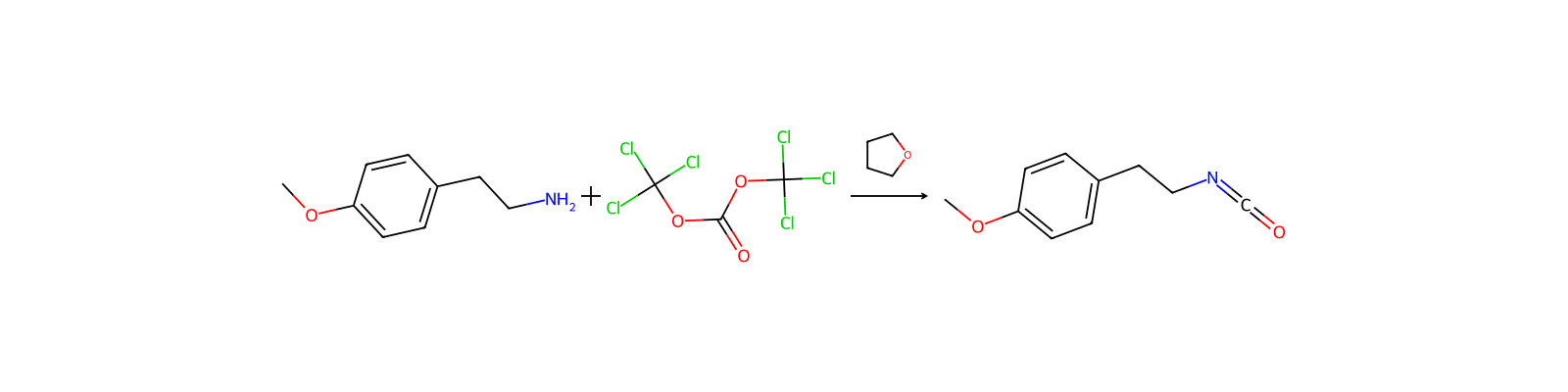
용도Triphosgene is used as a carbonylating agent for aza-peptide synthesis. It reacts with several alfa-amino acids to give the corresponding N-carboxyanhydrides. It is involved in the preparation of the esterification coupling reagent, di-2-thienyl carbonate from 2(5H)-thiophenone. Further, it is used as a reagent in organic synthesis and converts an amino group into isocyanate. In addition to this, it is employed in the preparation of 2-chloronicotinaldehydes through cyclization of the corresponding enamides. It is considered as a useful substitute for phosgene.
일반 설명Triphosgene [Bis(trichloromethyl)carbonate] is a versatile organic reagent used in organic synthesis alternative to phosgene. A catalytic amount of triphosgene is particularly used in chloroformylations, carbonylations, chlorinations, and dehydration reactions.
상·하류 제품 정보
상류 원료
하류 제품
공급사50 곳
国药集团化学试剂有限公司86-21-63210123 · [email protected]
梯希爱(上海)化成工业发展有限公司021-67121386 · [email protected]
衢州润东化工有限公司0570-8789886 18892685668 · [email protected]
聊城信立新材料有限公司18963527911 18006357927 · [email protected]
爱斯特(成都)生物制药股份有限公司+86-28-85122536 85324413 · [email protected]
科瑞迪化学400-821-5857 021-64326257 · [email protected]
Syntechem Co.,Ltd[email protected]
上海迈瑞尔生化科技有限公司4006356688 18621169109 · [email protected]
宁波亿诺化学品有限公司86-574-27787657 · [email protected]
阿法埃莎(中国)化学有限公司400-6106006 · [email protected]
太原市瑞和丰科贸有限公司+86 351 7031519 · [email protected]
安耐吉化学&3A(安徽泽升科技股份有限公司)400-0056266 · [email protected]
武汉凯威斯科技有限公司86-027-67849912 · [email protected]
上海瀚鸿科技股份有限公司021-54306202 13764082696 · [email protected]
山东昱轩化工产品有限公司15315790065 15315790065 · [email protected]
上海景颜化工科技有限公司13817811078 · [email protected]
嘉兴市艾森化工有限公司0573-85285100 18627885956 · [email protected]
Pure Chemistry Scientific Inc.001-857-928-2050 or 1-888-588-9418 · [email protected]
上海泰坦科技股份有限公司400-6009262 15618770481 · [email protected]
上海隆盛化工有限公司58099637 13585536065 · [email protected]
山东西亚化学有限公司13355009207 13355009207 · [email protected]
玛雅试剂+86 (573) 82222445 (0)18006601000 452520369 · [email protected]
四川库利南科技有限公司400-1166-196 18981987031 · [email protected]
天津希恩思生化科技有限公司400 638 7771 · [email protected]
河南萬象化工有限公司(优势生产供应!)0371-56669001 13949088811 · [email protected]
南京维奥化工有限公司Please Send Email 18652950785 · [email protected]
斯百全化学(上海)有限公司021-021-021-67601398-809-809-809 15221380277 · [email protected]
艾科试剂4008-755-333 18080918076 · [email protected]
上海思域化工科技有限公司86-21-34053660 · [email protected]
赛默飞世尔科技(中国)有限公司800-810-5118 · [email protected]
北京伊诺凯科技有限公司400-810-7969 010-59572699 · [email protected]
上海遐瑞医药科技有限公司+86 21 61551611
江苏艾康生物医药研发有限公司025-66113011 13913916777 · [email protected]
TOKYO CHEMICAL INDUSTRY CO., LTD.03-36680489 · [email protected]
上海贤鼎生物科技有限公司4009209199 · [email protected]
深圳康特腾科技有限公司86-0755-86635001 · [email protected]
越林试剂021-62960152 · [email protected]
无锡中坤生化科技有限公司+86 0510-85629785
Xunteng International Trading Co.,Limited—
上海湄水化工科技有限公司021-60549325 18616193163
HBCChem, Inc.+1-510-219-6317 · [email protected]
日照力德士化工有限公司010-51268198 · [email protected]
美岚实业(上海)有限公司021-58958189 · [email protected]
上海爱蝶实业有限公司021-58957966 18930537195 · [email protected]
成都零六生物科技有限公司400-1166-196 13458535857 · [email protected]
广拓化学(上海)有限公司021-60899189-8001 18918189673 · [email protected]
雷丁试剂0510-85629785 18013409632 · [email protected]
上海麦克林生化科技股份有限公司15221275939 15221275939 · [email protected]
杭州杰恒化工有限公司0571-87396432 · [email protected]
上海嵩爰化工科技有限公司010-1234567 18521000990 · [email protected]
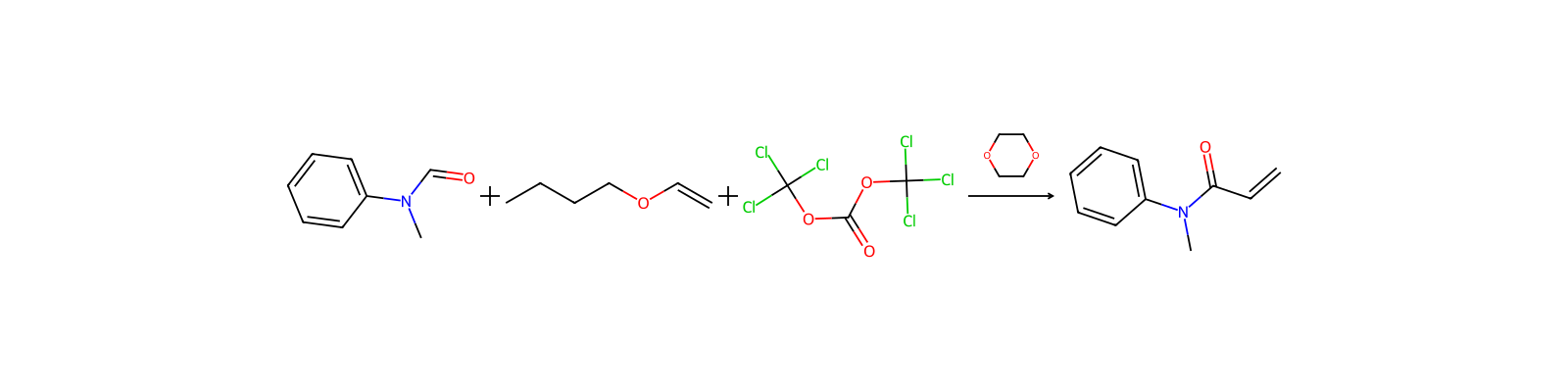
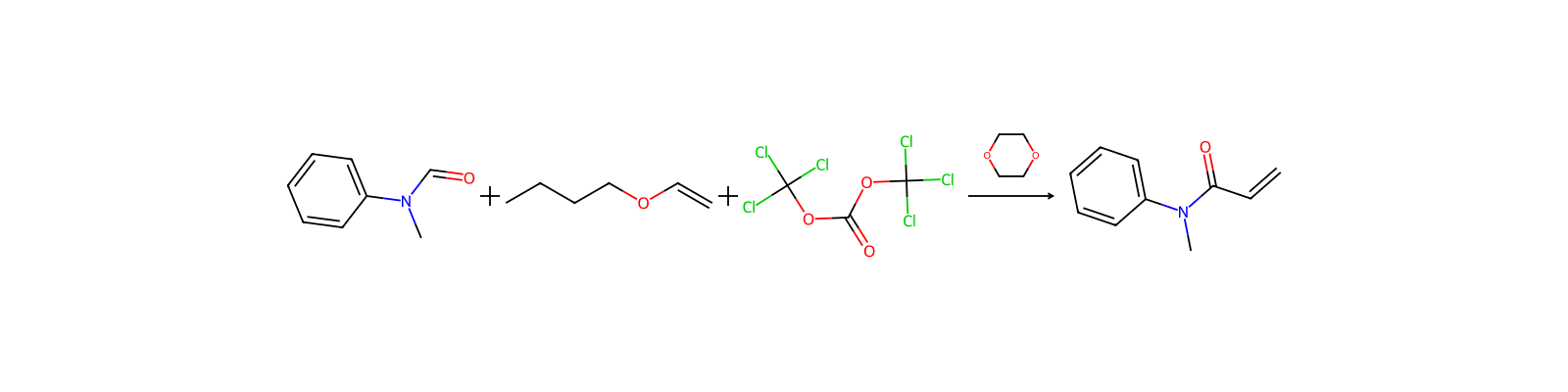
관련 반응
4,204건



연결된 노트
불러오는 중…