홈MCP워크벤치Skills
홈워크벤치알림마이페이지
llms.txt · MCP 가이드개인정보처리방침 · 이용약관 · 지원v1.8.0
  1. 홈
  2. /화합물

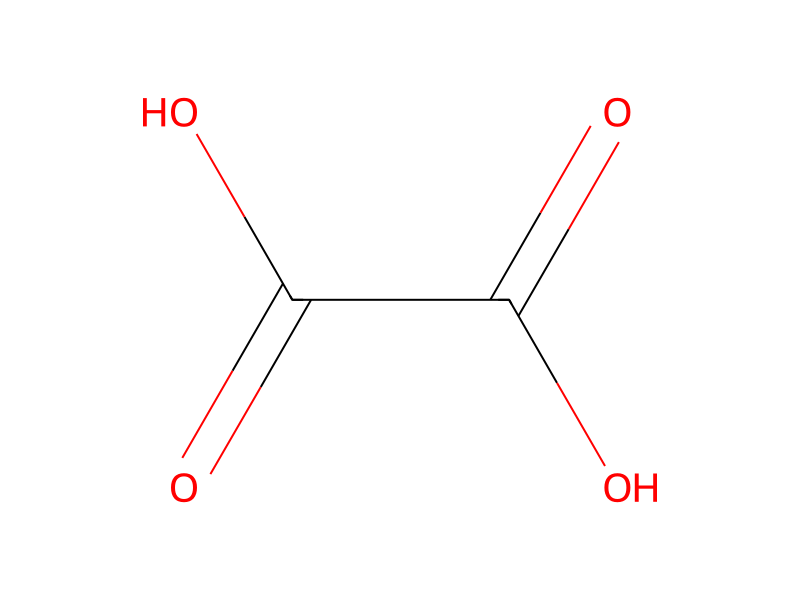
옥살산

Oxalic Acid

HCID 971
새 노트새 반응견적 요청하기
인쇄 미리보기
기본 정보개요이름 및 식별자물성안전 및 규제화학 및 산업관련 반응화합물 노트
부분 구조 검색유사 구조 찾기

기본 정보

CAS
144-62-7
표준 SMILES
O=C(O)C(=O)O
InChIKey
MUBZPKHOEPUJKR-UHFFFAOYSA-N
분자식
C2H2O4
평균 분자량
90.03 g/mol
단동위원소 질량
89.99530854

개요

Oxalic acid is an odorless white solid. Sinks and mixes with water. (USCG, 1999)

이름 및 식별자

우선 이름
Oxalic Acid
IUPAC
oxalic acid
현지명
옥살산
영어명
Oxalic acid
분자식
C2H2O4
분자량
90.03

이름 및 동의어

oxalic acidethanedioic acid144-62-7AktisalAquisalOxiric acidKyselina stavelovaOxaalzuurOxalsaeureAcidum oxalicumAcide oxaliqueAcido ossalico
이름 더 보기
옥살산옥살릭애씨드옥살릭애씨드,그에스텔류및알칼리염류oxaliccaosuanOxalic acid anhydrousHOOCCOOHDI-CARBOXYLIC ACIDAscorbic Acid EP Impurity EkyselinastavelovaOxalsαure
Ethanedionic acidNCI-C55209Ethane-1,2-dioic acidDTXSID0025816NSC-62774Oxalic acid, anhydrous9E7R5L6H31DTXCID805816

데이터베이스 식별자

CAS
144-62-7
PubChem CID
971
DTXSID
DTXSID0025816
ChEMBL
CHEMBL146755
ChEBI
CHEBI:16995
UNII
9E7R5L6H31
EC Number
205-634-3
Nikkaji
J2.954H

물성

구조 계산 물성

XLogP
-0.3
극성 표면적
74.6 Ų
수소 결합 공여자 수
2
수소 결합 수용자 수
4
회전 가능 결합 수
1
무거운 원자 수
6
형식 전하
0
복잡도
71.5

실험 및 물리화학적 성질

Chemical Classes · 2건

Other Classes -> Organic Acids

Corrosives

CosmeticsChelating
FragrancesFragrance Ingredient (Ethanedioic acid) -> IFRA transparency List
LogP · 2건

-0.81

-0.81

OdorOdorless.
Density · 6건

1.9 at 59 °F (USCG, 1999) - Denser than water; will sink

1.90 @ 17 DEG/4 °C, ALPHA

1.9 g/cm³

1.90

1.9 @ 17°C

1.90

Color/Form · 2건

ANHYDROUS OXALIC ACID, CRYSTALLIZED FROM GLACIAL ACETIC ACID IS ORTHORHOMBIC, CRYSTALS BEING PYRAMIDAL OR ELONGATED OCTAHEDRA

Colorless powder or granular solid [Note: The anhydrous form (COOH)2 is a white powder].

Solubility · 5건

50 to 100 mg/mL at 75 °F (NTP, 1992)

100 G AQ SOLN SATURATED @ 15 °C CONTAINS 6.71 G; 100 G AQ SOLN SATURATED @ 20 °C CONTAINS 8.34 G; 100 G AQ SOLN SATURATED @ 25 °C CONTAINS 9.81 G

VERY SOL IN ETHANOL; SLIGHTLY SOL IN ETHER; INSOL IN BENZENE, CHLOROFORM, PETROLEUM ETHER

Water solubility of 220,000 mg/l at 25 °C

안전 및 규제

안전 정보는 참고용이며, 공급업체의 물질안전보건자료(SDS), 관련 법규 및 전문가 평가를 대체하지 않습니다.

GHS 분류

GHS Classification · 6건

Warning

H302: Harmful if swallowed [Warning Acute toxicity, oral]

P264, P270, P280, P301+P317, P302+P352, P317, P321, P330, P362+P364, and P501 (click each P-code to see the statement)

This chemical does not meet GHS hazard criteria for 0.2% (2 of 1282) of reports.

Danger

H302 (99.8%): Harmful if swallowed [Warning Acute toxicity, oral]

유해성 정보

Regulatory Information · 5건

Chemical: Ethanedioic acid

Ethanedioic acid is listed on the EPA's Chemical Data Reporting (CDR) system. Manufacturers and importers of Ethanedioic acid are required to report information about their production and use of this chemical to the EPA under the Toxic Substances Control Act (TSCA). (40 eCFR Part 711)

Status: Active Update: 25-07-2022 https://echa.europa.eu/registration-dossier/-/registered-dossier/14786

Oxalic acid: Does not have an individual approval but may be used under an appropriate group standard

The New Jersey Worker and Community Right to Know Act requires public and private employers to provide information about hazardous substances at their workplaces. (N.J.S.A. 34:5A-1 et. seq.)

Other Safety InformationIMAP assessments - Ethanedioic acid: Environment tier I assessment
DOT LabelCorrosive
Fire Hazards · 2건

Special Hazards of Combustion Products: Generates poisonous gases (USCG, 1999)

Combustible. Gives off irritating or toxic fumes (or gases) in a fire.

Health Hazards · 1건

As dust or as a solution, can cause severe burns of eyes, skin, or mucous membranes. Ingestion of 5 grams has caused death with symptoms of nausea, shock, collapse, and convulsions coming on rapidly. Repeated or prolonged skin exposure can cause dermatitis and slow-healing ulcers. (USCG, 1999)

화학 및 산업

약리 정보

ATC CodeQP - Antiparasitic products, insecticides and repellents
Mechanism of ActionMetabolically its toxicity is believed due to the capacity of oxalic acid to immobilize calcium and thus upset the calcium-potassium ratio in critical tissues.
Metabolism/Metabolites · 6건

IN RABBIT, MAJOR END-PRODUCT OF METAB OF (14)C-ETHYLENE GLYCOL IS RESP CARBON DIOXIDE (60% OF DOSE IN 3 DAYS), & METABOLITES EXCRETED IN URINE ARE UNCHANGED ETHYLENE GLYCOL (10%) & OXALIC ACID (0.1%). ... GLYCOLALDEHYDE, GLYCOLLIC ACID & GLYOXYLIC ACID ARE INTERMEDIATES IN CONVERSION TO CARBON DIOXIDE.

IN OXIDATIVE METAB OF ETHYLENE GLYCOL IN MAMMALS, SPECIES VARIATIONS OCCUR WHICH EXPLAIN ... DIFFERENCES IN TOXICITY. GLYCOL IS OXIDIZED BY MAJOR PATHWAY INTO CARBON DIOXIDE, & BY MINOR PATHWAY TO ... OXALIC ACID. EXTENT OF FORMATION OF OXALIC ACID IS DEPENDENT ON DOSE LEVEL, BUT HAS ... BEEN SHOWN TO VARY WITH SPECIES ...

INITIAL STEPS IN OXIDATION OF ETHYLENE GLYCOL TO DIALDEHYDE (GLYOXAL) & TO GLYOXYLIC ACID SEEM TO BE MEDIATED BY ALC DEHYDROGENASE; DECARBOXYLATION OF GLYOXYLIC ACID YIELDS CARBON DIOXIDE & FORMIC ACID. GLYOXYLIC ACID IS ALSO OXIDIZED TO OXALIC ACID.

Piridoxilate is an association of glyoxylic acid and pyridoxine in which pyridoxine is supposed to facilitate in vivo transformation of glyoxylic acid to glycine rather than to oxalic acid. However, it has recently been shown that long term treatment with piridoxilate may result in over production of oxalic acid and in calcium oxalate nephrolithiasis. A patient in whom piridoxilate induced both oxalate nephrolithiasis and chronic oxalate nephropathy with renal insufficiency, an association that has not been previously described, was reported. Therefore, piridoxilate should be added to the list of chemicals responsible for chronic oxalate nephropathy.

Cyclosporin A interferes with oxalate metabolism and, therefore, should be given with utmost caution in patients with primary hyperoxaluria.

Oxalic acid is not metabolized but excreted in the urine.

MeSH Pharmacological ClassificationMaterials that add an electron to an element or compound, that is, decrease the positiveness of its valence. (From McGraw-Hill Dictionary of Scientific and Technical Terms, 5th ed)

관련 반응

2,077건
반응 기록 만들기
HRID 1782 반응식
HRID 1782반응물로uspto-grants-1998_03
HRID 2522 반응식
HRID 2522반응물로uspto-grants-1998_03
HRID 2523 반응식
HRID 2523반응물로uspto-grants-1998_03
HRID 4842 반응식
HRID 4842반응물로uspto-grants-1988_02
HRID 4864 반응식
HRID 4864반응물로uspto-grants-1988_02
HRID 5666 반응식
HRID 5666반응물로uspto-grants-1993_09
HRID 5826 반응식
HRID 5826반응물로uspto-grants-1993_09
HRID 7443 반응식
HRID 7443반응물로uspto-grants-2006_08
1 / 260 페이지

화합물 노트

불러오는 중…

이 페이지에서기본 정보개요이름 및 식별자물성안전 및 규제화학 및 산업관련 반응화합물 노트
더보기
새 노트새 반응견적 요청하기

220 mg/mL at 25 °C

Boiling Point · 3건

Sublimes (NIOSH, 2024)

sublimes

Sublimes

Decomposition... DECOMP PRODUCTS INCL CARBON MONOXIDE & FORMIC ACID.
Melting Point · 5건

372 °F (Decomposes) (NTP, 1992)

189.5 °C (DECOMPOSES)

189.5 °C

189.5 °C

372 °F

Vapor Density · 2건

4.3 (NTP, 1992) - Heavier than air; will sink (Relative to Air)

4.3

물리화학적 성질

녹는점
189.5 °C · 189.5 °C (dec.)(lit.)
끓는 점
365.1 °C · 365.1°C (estimate)
밀도
0.99 g/mL · 0.99 g/mL at 25 °C
증기 밀도
4.4 · 4.4 (vs air)
증기압
0.01 mm · <0.01 mm Hg ( 20 °C)
굴절률
1.4261 · 1.4261 (estimate)
인화점
101 · 101-157°C
저장 조건
30 °C · Store below +30°C.
용해도
25 °C에서 · 물: 25°C에서 용해성108g/L
물리적 상태
액체
산도 계수 (pKa)
1.23 · 1.23(at 25℃)
색상
하얀색
수소이온지수(pH)
3 · 3(1 mM solution);2.09(10 mM solution);1.31(100 mM solution);
냄새
냄새 없는
수용성
90 g/L · 90g/L(20℃)
비열
1.01 J/ · Cp(crystal): 1.01 J/(g·K); Cp(gas): 0.96 J/(g·K), at 25℃
Merck
14 · 14,6911
BRN
385686 · 385686
Henry's Law Constant
1.43 at · 1.43 at pH 4 (quoted, Gaffney et al., 1987)
안정성
안정적이지만 습기에 민감합니다. 금속과 호환되지 않습니다.
화장품 원료 기능
킬레이팅
InChI
1S/C2H2O4/c3-1(4)2(5)6/h(H,3,4)(H,5,6)
InChIKey
MUBZPKHOEPUJKR-UHFFFAOYSA-N
SMILES
OC(=O)C(O)=O
LogP
-1.7 at · -1.7 at 23℃
NIST
Oxalic acid(144-62-7)
EPA
Oxalic acid (144-62-7)

화학적 성질

Oxalic acid is a colorless, odorless powder, or granular solid. The anhydrous form (COOH)2 is an odorless, white solid; the solution is a colorless liquid.

Hazards Summary · 1건

Liquid causes second or third degree burns after short contact. [CHRIS] TLV Basis is irritation (eye, skin and upper respiratory tract); [ACGIH] Solutions range from irritating to corrosive. Inhalation of high concentrations may induce chemical pneumonitis. Ingestion of oxalic acid or soluble oxalate compounds causes acute hypocalcemia and deposition of calcium oxalate crystals in the brain, heart, kidney, and other organs. In plant poisoning cases, ingestion of insoluble oxalate compounds causes irritation and swelling of the mouth, throat, and esophagus. [Olson, p. 360-1] A corrosive substance that can cause pulmonary edema after inhalation of aerosol; [ICSC] May cause kidney damage, hypocalcemia, and hepatic necrosis in severe poisoning cases following ingestion; [HSDB]

Reactive GroupAcids, Carboxylic
EC ClassificationSymbol: Xn; R: 21/22; S: (2)-24/25
UN ClassificationUN Hazard Class: 8; UN Pack Group: III
FIFRA Requirements · 1건

Residues of oxalic acid are exempted from the requirement of a tolerance when used as a calcium chelating hard water inhibitor in accordance with good agricultural practices as inert (or occasionally active) ingredients in pesticide formulations applied to growing crops or to raw agricultural commodities after harvest. Limits: No more oxalic acid should be used than is necessary to chelate calcium and, in no case, should more than 2 lb oxalic acid per acre be used.

OSHA Standards · 2건

Permissible Exposure Limit: Table Z-1 8-hr Time Weighted Avg: 1 mg/cu m.

Vacated 1989 OSHA PEL TWA 1 mg/cu m; STEL 2 mg/cu m is still enforced in some states.

Reactivity Profile · 1건

OXALIC ACID is hygroscopic and sensitive to heat. This compound may react violently with furfuryl alcohol, silver, sodium, perchlorate, sodium hypochlorite, strong oxidizers, sodium chlorite, acid chlorides, metals and alkali metals. (NTP, 1992). The heating of mixtures of Oxalic acid and urea has lead to explosions. This is due to the rapid generation of the gases CO2, CO, and NH3 [Praxis Naturwiss. Chem., 1987, 36(8), 41-42]. Oxalic acid and urea react at high temperatures to form toxic and flammable ammonia and carbon monoxide gases, and inert CO2 gas [Von Bentzinger, R. et al., Praxis Naturwiss. Chem., 1987, 36(8), 41-42].

안전 및 보호

Fire Fighting · 2건

Fires involving this compound may be controlled with a dry chemical, carbon dioxide or Halon extinguisher. (NTP, 1992)

Use water spray, powder, foam, carbon dioxide. In case of fire: keep drums, etc., cool by spraying with water.

First Aid Measures · 4건

Fresh air, rest. Half-upright position. Refer immediately for medical attention.

Remove contaminated clothes. Rinse skin with plenty of water or shower for at least 15 minutes. Refer for medical attention .

Rinse with plenty of water (remove contact lenses if easily possible). Refer immediately for medical attention.

Rinse mouth. Do NOT induce vomiting. Refer immediately for medical attention.

First Aid · 2건

EYES: First check the victim for contact lenses and remove if present. Flush victim's eyes with water or normal saline solution for 20 to 30 minutes while simultaneously calling a hospital or poison control center. Do not put any ointments, oils, or medication in the victim's eyes without specific instructions from a physician. IMMEDIATELY transport the victim after flushing eyes to a hospital even if no symptoms (such as redness or irritation) develop.

(General first aid procedures)

Safe StorageSeparated from strong oxidants and food and feedstuffs. Dry. Well closed.
Fire Fighting Procedures · 1건

USE WATER SPRAY, DRY CHEM, "ALC RESISTANT" FOAM, OR CARBON DIOXIDE. DUST MAY BE REDUCED WITH WATER SPRAY. AQUEOUS SOLUTION MUST BE CONTAINED FOR DISPOSAL. USE WATER TO KEEP FIRE-EXPOSED CONTAINERS COOL. WATER MAY CAUSE FOAMING OF MOLTEN MATERIAL. /OXALIC ACID DIHYDRATE/

Storage ConditionsSTORE IN COOL, DRY, WELL-VENTILATED LOCATION. /OXALIC ACID DIHYDRATE/
Cleanup MethodsCover with soda ash or sodium bicarbonate. Mix and add water. Neutralize and drain into a drain with sufficient water.
Nonfire Spill ResponseNeutralizing Agents for Acids and Caustics: Lime or soda ash (USCG, 1999)
Disposal Methods · 1건

Oxalic acid is a waste chemical stream constituent which may be subjected to ultimate disposal by controlled incineration. Pretreatment involves chemical reaction with limestone or calcium oxide forming calcium oxalate. This may then be incinerated utilizing particulate collection equipment to collect calcium oxide for recycling.

Spillage Disposal · 1건

Personal protection: particulate filter respirator adapted to the airborne concentration of the substance, protective gloves and safety goggles. Sweep spilled substance into covered plastic containers. If appropriate, moisten first to prevent dusting. Wash away remainder with plenty of water.

Preventive Measures · 5건

Adequate ventilation.

The worker should immediately wash the skin when it becomes contaminated.

Work clothing that becomes wet or significantly contaminated should be removed and replaced.

Workers whose clothing may have become contaminated should change into uncontaminated clothing before leaving the work premises.

For more Preventive Measures (Complete) data for OXALIC ACID (6 total), please visit the HSDB record page.

Isolation and EvacuationExcerpt from ERG Guide 154 [Substances - Toxic and/or Corrosive (Non-Combustible)]:

독성 정보

Body BurdenOxalic acid calcium salt is a major constituent of kidney stones(1).
Treatment · 1건

Acute Exposure: If oxalic acid is swallowed, immediately give the person water or milk, unless instructed otherwise by a health care provider. DO NOT give water or milk if the person is having symptoms (such as vomiting, convulsions, or a decreased level of alertness) that make it hard to swallow. If acute exposure occurs to the eyes, irrigate opened eyes for several minutes under running water. Chronic exposure: in some patients with primary hyperoxaluria type 1, pyridoxine treatment (vitamin B6) may decrease oxalate excretion and prevent kidney stone formation.

Interactions · 5건

A number of sulfhydryl compounds were shown to inhibit CO2 and oxalate formation from glyoxylate by rat liver homogenates and hepatocytes. The most significant inhibition occurred with cysteine and this inhibition was concentration dependent. In rats made hyperoxaluric by administering ethylene glycol in their drinking water, daily intraperitoneal injections of cysteine caused a rapid and marked decrease in urinary oxalate excretion which was maintained over the duration of the treatment (28 days). Over this time period, the level of urinary oxalate excretion inthese ethylene glycol treated rats was reduced to that of the controls.It is postulated that the decrease is due to the formation of acysteine-glyoxylate adduct, 2-carboxy-4-thiazolidine carboxylate, which prevents glyoxylate being further oxidized to oxalate. Cysteine or similar sulphydryl compounds may therefore have potential as therapeutic agents in the prevention of renal stones.

The study was conducted to investigate the effect of vitamin A, B1 and B6 deficiency on oxalate metabolism in rats. A significant hyperoxaluria was the common observation in all the three vitamin deficiencies (vitamin B6 greater than vitamin A greater than vitamin B1). The activities of hepatic glycolate oxidase and glycolate dehydrogenase were markedly enhanced in vitamin A and vitamin B6 deficient rats. However, lactate dehydrogenase levels remained unaltered in these deficiencies as compared to their respective pair fed controls. Vitamin B1 deficiency of 4 weeks duration could augment the activity of glycolate oxidase only, with no alterations in the glycolate dehydrogenase and lactate dehydrogenase levels. Intestinal oxalate uptake studies revealed increased bioavailability of oxalate from the gut in vitamin A and vitamin B6 deficient rats. Thus, the results suggest the relative contribution of both exogenous as well as endogenous oxalate in the process of calculogenesis under various nutritional stress conditions in rat.

Hyperoxalemia can be aggravated by vitamin C supplementation in regular hemodialysis patients. The present study was undertaken to examine the validity of this observation in an experimental setting. Fifty five-sixths nephrectomized rats were divided into two groups: 30 rats were allowed free access to water containing 8 mg/ml of vitamin C (100-160 mg/100 g/24 hr) and the remainder given tap water without vitamin C. The serum creatinine increased and the hematocrit decreased gradually; however, there was no difference between the two groups. Plasma vitamin C, oxalate and urinary oxalate levels were higher in the vitamin treated group than the nontreated rats. Histological examination revealed glomerular and interstitial fibrosis and round cell infiltration as well as tubular cyst formation. Oxalate deposits in renal tubules were found only in vitamin C-treated rats with advanced renal failure. Nontreated animals with equally advanced renal impairment showed no oxalate deposits. These results confirm previous clinical findings that vitamin C supplementation aggravates the secondary oxalosis of chronic renal failure.

Male Wistar strain rats which had been fed a glycolic acid diet developed severe nephrocalcinosis with urinary calculi within 4 weeks. Rats fed the same diet with citrate salts added had, however, either slight or no nephrocalcinosis without any stones in the urinary system. Nephrocalcinosis intermediate between those in the citrate groups and the glycolic acid group, with some urinary calculi, was observed in the citric acid group. During the experiment, the urinary oxalate concentration increased markedly and was higher in the citrate and citric acid than in the glycolic acid group. The urinary citrate concentration was significantly higher in the citrate groups and lower in the citric acid and glycolic acid groups. Therefore, citrate salts can be concluded to inhibit nephrocalcinosis and calculi formation as a result of decreased urinary saturation by means of increase in urinary citrate, in spite of a slight increase in the urinary oxalate.

For more Interactions (Complete) data for OXALIC ACID (6 total), please visit the HSDB record page.

Target OrgansEyes, skin, respiratory system, kidneys
Health Effects · 1건

Because it binds vital nutrients such as calcium, long-term consumption of foods high in oxalic acid can be problematic. Healthy individuals can safely consume such foods in moderation, but those with kidney disorders, gout, rheumatoid arthritis, or certain forms of chronic vulvar pain (vulvodynia) are typically advised to avoid foods high in oxalic acid or oxalates. The calcium oxalate precipitate (better known as kidney stones) obstruct the kidney tubules. Conversely, calcium supplements taken along with foods high in oxalic acid can cause calcium oxalate to precipitate out in the gut and drastically reduce the levels of oxalate absorbed by the body (by 97% in some cases.) Chronically high levels of oxalic acid are associated with at least 2 inborn errors of metabolism including: Type I primary hyperoxaluria and Primary hyperoxaluria. Oxalate stones in primary hyperoxaluria tend to be severe, resulting in relatively early kidney damage (before age 20), which impairs the excretion of oxalate leading to a further acceleration in accumulation of oxalate in the body. After the development of renal failure patients may develop oxalate deposits in the bones, joints and bone marrow. Severe cases may develop haematological problems such as anaemia and thrombocytopaenia. The deposition of oxalate in the body is sometimes called "oxalosis" to be distinguished from "oxaluria" which refers to oxalate in the urine.

Environmental Fate · 3건

TERRESTRIAL FATE: An estimated Koc value of 5(1,SRC) for oxalic acid indicates high mobility in soil(2) and oxalic acid has been detected in groundwater(3). Volatilization from moist soils is not expected to be rapid based upon a low Henry's Law constant. Several screening studies indicate rapid biodegradation of oxalic acid(4-8). Although these studies are not specific to soil media, they suggest that oxalic acid will readily biodegrade in soil. The oxalic acid concn in another study was determined to decrease from 30 mg/kg on a soil surface to about 6 mg/kg 540 cm below the soil surface(3) which suggests that biodegradation may have occurred(SRC). Photolysis is expected to be an important terrestrial fate process; the daytime persistence of oxalic acid on soil surfaces is not expected to exceed a few hours(9).

AQUATIC FATE: Several screening studies(4-8) and grab sample tests(9) indicate that under aerobic and anaerobic conditions, oxalic acid will readily biodegrade in aquatic ecosystems. Based on an experimental Henry's Law constant of 1.4X10⁻¹⁰ atm-cu m/mole at 25 °C(2), oxalic acid is expected to be essentially nonvolatile from water(1). Adsorption to sediment and bioconcentration in aquatic organisms may not be important fate processes for oxalic acid in water systems. Based on pKa1 and pKa2 values of 1.25 and 4.28(3), respectively, oxalic acid will exist primarily as the oxalate ion under environmental conditions (pH 5-9,SRC). Aquatic oxidation is not likely to be an important fate process based on a half-life of 285 yrs in water under continuous sunlight(3,SRC). Oxalic acid may react slowly in water with photochemically produced OH radicals, but it is expected to be removed rapidly from surface water by direct photolysis; the daytime persistence of oxalic acid is not expected to exceed a few hours(10).

ATMOSPHERIC FATE: Based on a measured vapor pressure of 2.3410-4 mm Hg at 25 °C(2), oxalic acid is expected to exist almost entirely in the vapor phase in the ambient atmosphere(3). In the vapor phase, oxalic acid in the ambient atmosphere is very slowly degraded by reaction with photochemically formed hydroxyl radicals; the half-life for this reaction in air can be estimated to be about 223 days(1). Oxalic acid in the ambient atmosphere may react slowly with OH radicals, but it is removed rapidly by photolysis; the daytime persistence of oxalic acid is not expected to exceed a few hours(4). Based on its high water solubility, removal from air via wet deposition is likely to occur(4,SRC). Oxalic acid may also be removed from air via dry deposition with 11% of the total deposition being dry deposition(4).

Food Survey Values · 1건

Oxalic acid is present in many plants and vegetables, notably in those of the Oxalis and Rumex families, where it occurs in the sap of the plant as the potassium or calcium salt(2). Oxalic acid was qualitatively detected in raw cassava (Manihot esculenta, Crantz) which is one of the major staple foods of the tropics(1). Gari and Farine (Farinha demandioca), both products of cassava, were determine to be 0.04% and 0.2% oxalic acid, respectively(1).

Adverse EffectsOccupational hepatotoxin - Secondary hepatotoxins: the potential for toxic effect in the occupational setting is based on cases of poisoning by human ingestion or animal experimentation.
Exposure Routes · 2건

The substance can be absorbed into the body by inhalation of its aerosol and by ingestion. Serious local effects by all routes of exposure.

inhalation, ingestion, skin and/or eye contact

Toxicity Summary · 1건

The affinity of divalent metal ions is sometimes reflected in their tendency to form insoluble precipitates. Thus in the body, oxalic acid also combines with metals ions such as Ca2+, Fe2+, and Mg2+ to deposit crystals of the corresponding oxalates, which irritate the gut and kidneys. (2) Therefore the toxicity of oxalic acid is due to kidney failure caused by precipitation of solid calcium oxalate, the main component of kidney stones. Oxalic acid can also cause joint pain due to the formation of similar precipitates in the joints. Ingestion of ethylene glycol results in oxalic acid as a metabolite that can also cause acute kidney failure.

Plant Concentrations · 2건

OXALATE CONTENT OF PLANTS IS HIGHEST AT LEAFY STAGE OF GROWTH & PLANTS WHICH ARE NORMALLY NOT DANGEROUS TO STOCK MAY BECOME SO @ CERTAIN TIMES OF YR. HALOGETON MAY CONTAIN ... 34.5% OF OXALATE, MANGELS UP TO 12% & SOURSOB 5.9% (DRY WT). /OXALATE/

Oxalic acid is present in many plants and vegetables, notably in those of the Oxalis and Rumex families, where it occurs in the leaves, roots, rhizomes, and sap of the plant as the potassium or calcium salt(1-2). For example, waterlilies and duckweed are oxylate-containing plants(3). Furthermore, oxylate may constitute as much as 50% of the dry weight of some plant organs, serving both an excretory and a storage function by chelating and precipitating excess calcium ions(3). Oxylate concns ranged from 0.1 to 5.0% in several plant species that are potential sources of the oxylates in sediments of Searsville Lake, CA, Lake Tahoe, CA, Big Soda Lake, NV, and a south San Francisco Bay mud flat and salt marsh(3).

Animal ConcentrationsOxalic acid occurs in human and animal urine and the calcium salt is a major constituent of kidney stones(1).

규제 정보

FIFRA Requirements · 1건

Residues of oxalic acid are exempted from the requirement of a tolerance when used as a calcium chelating hard water inhibitor in accordance with good agricultural practices as inert (or occasionally active) ingredients in pesticide formulations applied to growing crops or to raw agricultural commodities after harvest. Limits: No more oxalic acid should be used than is necessary to chelate calcium and, in no case, should more than 2 lb oxalic acid per acre be used.

안전 데이터

OEB
C
OEL
TWA: 1 mg/m3, STEL: 2 mg/m3
wgk
1
IDLA
500 mg/m3
tsca
TSCA listed
rtecs
RO2450000
ridadr
UN 3261 8/PG 3
독성
LD50 orally in Rabbit: 375 mg/kg
HS 번호
29171110
risk_code
21/22-63-34-41
hazard_code
Xn
safety_code
24/25-23-36/37/39-27-26-39-37-36-36/37
포장분류
III
위험 등급
8
기존화학 물질
KE-13152
Hazard Classifications
Acute Tox. 4 DermalAcute Tox. 4 OralEye Dam. 1
스토리지 클래스
11 - Combustible Solids
유해 물질 데이터
144-62-7(Hazardous Substances Data)
Absorption, Distribution and Excretion · 2건

TARTARIC & OXALIC ACIDS ARE EXCRETED IN URINE UNCHANGED.

The absorption of (14)C-labelled oxalic acid was studied in Wistar rats, CD-1 mice and NMRI mice. Oxalic acid in solution was given to the animals by gavage either with water alone or with 0.625 g/kg body wt of xylitol. Both xylitol adapted animals and animals not previously exposed to xylitol were used. Adaptation to xylitol diets enhanced the absorption and urinary excretion of the label (oxalic acid) in both strains of mice but not in rats. Earlier studies have indicated a high incidence of bladder calculi in mice but not in rats fed high amounts of xylitol. The results of the present study offer one likely explanation for the increased formation of bladder calculi as a result of over saturation of urine with oxalate.

Tissue LocationsBladder
Cellular LocationsExtracellular

용도 및 제조

Uses · 6건

Used in metal cleaning, chemical synthesis, dye and rubber manufacturing, and textile stripping/finishing; Also used as a disinfectant (swimming pool and drainage system) and bathroom sanitizer; [ACGIH] Several species of plants contain soluble and insoluble oxalate salts. [Olson, p. 360] Used in photography (toner and platinum printing); Also used as a mordant in textile dyeing; [www.ci.tucson.az.us/arthazards/medium.html]

Using Disinfectants or Biocides [Category: Clean]

Textile arts [Category: Hobbies]

SCOURING AGENT IN TEXTILE FINISHING, STRIPPING, CLEANING; FOR BLEACH & STAIN REMOVER; RUST, GREASE, AND WAX REMOVING AGENT IN METAL CLEANING; CHEM INT

AS ANALYTICAL REAGENT; IN CALICO PRINTING & DYEING; BLEACHING STRAW (HATS) & LEATHER; MFR OXALATES; BLUE INK; REMOVING PAINT OR VARNISH, RUST OR INK STAINS; CLEANING WOOD; MFR CELLULOID; INT & DYES; IN METAL POLISHES; IN INDIGO DYEING; IN PURIFYING METHANOL; FOR DECOLORIZING CRUDE GLYCEROL; FOR STABILIZING HYDROCYANIC ACID; AS GENERAL REDUCING AGENT; IN CERAMICS & PIGMENTS; IN METALLURGY AS CLEANSER; IN PAPER INDUSTRY; IN PHOTOGRAPHY; IN PROCESS ENGRAVING; IN RUBBER MFR INDUSTRY; IN MAKING GLUCOSE FROM STARCH; AS CONDENSING AGENT IN ORG CHEMISTRY; VET: IN 5% SOLN WITH 5% MALONIC ACID AS HEMOSTATIC AGENT

OXALIC ACID & OXALATE SALTS ARE SOMETIMES USED AS ANTICOAGULANTS IN BLOOD SPECIMENS DRAWN FOR CHEMICAL ANALYSIS.

U.S. Exports · 2건

(1972) NEGLIGIBLE

1.68X10+8 g

U.S. Imports · 3건

(1972) 8.6X10+8 G

(1975) 1.73X10+9 G

(1984) 9.31X10+9 g

U.S. Production · 3건

2023: 2,500,000 - <4,000,000 lb

(1972) 1.0X10+10 G

(1974) 8.17X10+9 G

Consumption Patterns · 2건

27% FOR TEXTILE FINISHING, STRIPPING AND CLEANING; 27% FOR METAL AND EQUIPMENT CLEANING; 25% AS A CHEMICAL INTERMEDIATE; 2% FOR LEATHER TANNING; 19% FOR MISC APPLICATIONS (1971)

33% FOR TEXTILE /APPLICATIONS/; 20% FOR METAL; 7% FOR LEATHER; 20% FOR OXALATES; AND 20% FOR OTHER USE (1983)

Consumer UsespH regulating agent
Industry UsesDeodorizer
Methods of Manufacturing · 3건

MADE BY PASSING CARBON MONOXIDE INTO CONCENTRATED SODIUM HYDROXIDE OR BY HEATING SODIUM FORMATE IN PRESENCE OF SODIUM HYDROXIDE OR SODIUM CARBONATE.

OXALIC ACID IS PRODUCED COMMERCIALLY BY NITRIC ACID OXIDATION OF STARCH, SUGAR, OR ETHYLENE GLYCOL

OXALIC ACID IS A CO-PRODUCT OF THE FERMENTATION OF MOLASSES TO CITRIC ACID. OXALIC ACID CAN BE MADE BY FUSING SAWDUST (OR OTHER FORMS OF CELLULOSE) WITH A MIXTURE OF SODIUM HYDROXIDE AND POTASSIUM HYDROXIDE. TEXACO WAS GRANTED A PATENT IN 1973 FOR THE ELECTROLYTIC SYNTHESIS OF OXALIC ACID FROM CARBON DIOXIDE AND HYDROGEN.

Formulations/Preparations · 2건

Technical (crystals and powder); chemically pure: a grade designation signifying a minimum of impurities, but not 100% purity.

THE COMMERCIAL PRODUCT IS COMPRISED OF WHITE TO COLORLESS MONOCLINIC PRISMS OR GRANULES CONTAINING 71.42 wt% ANHYDROUS OXALIC ACID AND 28.58 wt% WATER

Household ProductsInformation on 47 consumer products that contain Oxalic acid in the following categories is provided:
Use Classification · 2건

Fragrance Ingredients

Cosmetics -> Chelating

General Manufacturing Information · 4건

Not Known or Reasonably Ascertainable

Ethanedioic acid: ACTIVE

IT IS A PRODUCT OF THE METABOLISM OF MANY MOLDS, SEVERAL SPECIES OF PENICILLIUM & ASPERGILLUS CONVERT SUGAR INTO CALCIUM OXALATE WITH 90% YIELD UNDER OPTIMUM CONDITIONS.

BY 1983, /MOST USA PRODUCERS/ HAD ENDED PRODUCTION AND USA DEMAND HAS BEEN FILLED BY IMPORTS, PRINCIPALLY FROM CHINA AND BRAZIL

응용 분야 · 4건

개요상온에서는 백색의 고체 상태로 존재한다. 189.5°C에서 분해되며 녹는다. 옥살산 이수화물(C2H2O4·2 H2O)은 101.5°C에 녹는다. 산화되기 쉬워서 정량할 때는 묽은 황산 용액에서 과망가니즈산 칼륨으로 산화시키는 방법을 사용한다. 진한 황산과 함께 가열되면 같은 부피의 일산화 탄소와 이산화 탄소를 생성한다.

용도표백제의 주 성분이며, 포도당과 물엿을 만들 때 쓰이기도 한다. 또한 강한 환원제라 녹 제거나 희토류 추출용으로도 쓴다.

용도Oxalic acid was used: · in the synthesis of hemicellulose hydrolysates of yellow poplars; · in the synthesis of three-dimensionally ordered macroporous metal oxides or carbonates via templating with polystyrene spheres; · as supporting electrolyte in the electrochemical synthesis of polyaniline-polypyrrole composite coatings.

일반 설명Odorless white solid. Sinks and mixes with water.

제조 방법 · 1건

생산 방법Many industrial processes have been employed for the manufacture of oxalic acid since it was first synthesized. The following processes are in use worldwide: oxidation of carbohydrates, the ethylene glycol process, the propylene process, the dialkyl oxalate process, and the sodium formate process. Sodium formate process is no longer economical in the leading industrial countries, except for China. Nitric acid oxidation is used where carbohydrates, ethylene glycol, and propylene are the starting materials. The dialkyl oxalate process is the newest, where dialkyl oxalate is synthesized from carbon monoxide and alcohol, then hydrolyzed to oxalic acid. This process has been developed by UBE Industries in Japan.Many attempts have been made to synthesize oxalic acid by electrochemical reduction of carbon dioxide in either aqueous or nonaqueous electrolytes.

상·하류 제품 정보

상류 원료

일산화탄소(가스)옥살산옥살산나트륨산화 질소PALLADIUM-CATALYSTSMETALLURGICAL COKE탄산 납칼슘 옥살레이트포름산나트륨질산모노에틸렌글리콜수산화나트륨감자전분옥산살디노르말부틸에스테러황산

하류 제품

7-(트리플루오로메틸)퀴놀린옥살산,칼륨염로진칼륨 비녹살산암모늄옥살산 제2철알파Z우린 A다이메틸옥살레이트글리세오풀빈옥살산디에틸바륨 옥사레이트니켈(II)옥살산염Lincomycin hydrochloride monohydrate옥살산나트륨옥살산 디암모늄alpha-(1-Naphthylmethyl)-2-tetrahydrofuranpropionic acid diethylaminoethyl ester oxalateFilth remover산화 스칸듐옥시테트라시클린3-Methyl-1H-pyrazolo[3,4-c]pyridazine-4,5-diol하이드로퀴논염화옥살릴Lubricant포타슘 타이타늄 옥살레이트옥산살디노르말부틸에스테러암모늄 바나딘산염산화코발트글리옥실산
추가 설명 · 1건

정의ChEBI: Oxalic acid is an alpha,omega-dicarboxylic acid that is ethane substituted by carboxyl groups at positions 1 and 2. It has a role as a human metabolite, a plant metabolite and an algal metabolite. It is a conjugate acid of an oxalate(1-) and an oxalate.