
HRID 6239반응물로
Zirconium chloride (ZrCl4), (T-4)-

10026-11-6[Cl-].[Cl-].[Cl-].[Cl-].[Zr+4]DUNKXUFBGCUVQW-UHFFFAOYSA-JSee also: Zirconium chloride (preferred); zirconium (iv) chloride, anhydrous (annotation moved to).
10026-11-6、11126-30-0안전 정보는 참고용이며, 공급업체의 물질안전보건자료(SDS), 관련 법규 및 전문가 평가를 대체하지 않습니다.
Chemical: Zirconium chloride (ZrCl4), (T-4)-
Zirconium chloride (ZrCl4), (T-4)- is listed on the EPA's Chemical Data Reporting (CDR) system. Manufacturers and importers of Zirconium chloride (ZrCl4), (T-4)- are required to report information about their production and use of this chemical to the EPA under the Toxic Substances Control Act (TSCA). (40 eCFR Part 711)
Primary Metal Manufacturing
Zirconium chloride (ZrCl4), (T-4)-: ACTIVE
용도Zirconium tetrachloride is commonly utilized as a Lewis acid catalyst in many organic synthesis reactions. It is an important source for organometallic complexes of zirconium. It is practiced in many areas like nuclear industry, metal industry, photography, glass, and ceramic industry.
일반 설명White lustrous crystalline solid. Used as a source of pure zirconium, as a tanning agent, in analytical chemistry and in treating textiles. Zirconium tetrachloride is decomposed by water. Corrosive to metals in the presence of moisture and to tissue.
Zirconium tetrachloride is obtained as an intermediate in recovering zirconium metal from zircon and other minerals (See Zirconium, Recovery). The tetrachloride is obtained by heating a mixture of zirconium hydroxide and car 1004 bon with chlorine gasAlso, tetrachloride can be made by reacting zirconium hydroxide with hydrochloric acid: Zr(OH)4 + 4HCl → ZrCl4 + 4H2O.
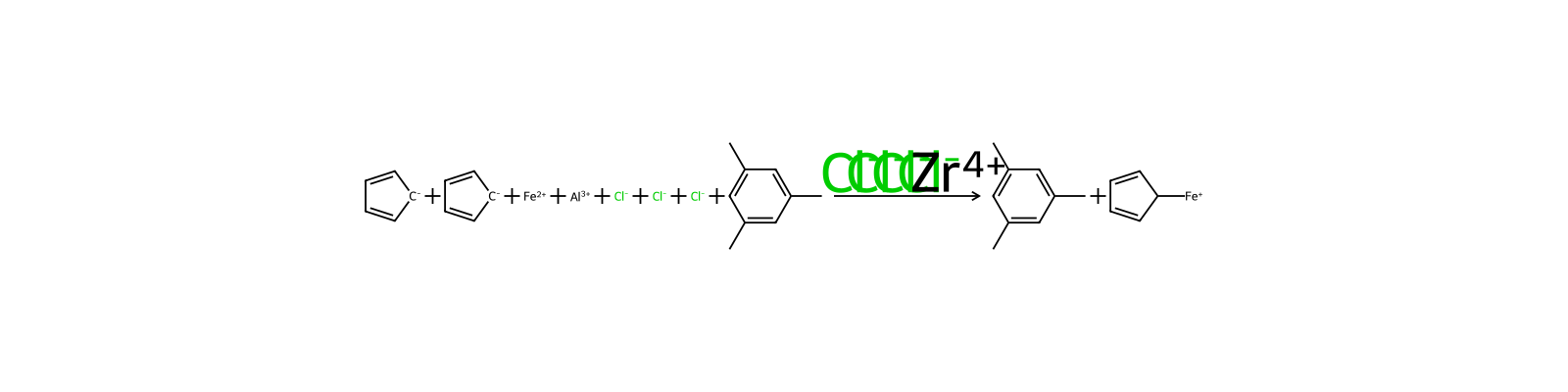


Zirconium tetrachloride forms lustrous, white, monoclinic crystals that melt at 437 ℃. It is a corrosive powder. It is hygroscopic, and thus soluble in cold water, alcohol, ether, and concentrated hydrochloric acid. It reacts vigorously with water forming hydrogen chloride (irritating vapor) and zirconium oxychloride. When moist, zirconium tetrachloride reacts with common materials to form hydrochloric acid that is corrosive to many metals. Through hydrolysis to HCl, zirconium tetrachloride can irritate the respiratory tract and other superficial surfaces of the body on exposure. Zirconium tetrachloride readily forms coordinate bonds with oxygen and nitrogen in organic molecules.
정의ChEBI: Zirconium tetrachloride is a zirconium coordination entity comprising four chlorine atoms bound to a central zirconium atom. It has a role as a catalyst. It is a zirconium coordination entity and an inorganic chloride.