홈MCP워크벤치Skills
홈워크벤치알림마이페이지
llms.txt · MCP 가이드개인정보처리방침 · 이용약관 · 지원v1.8.3
  1. 홈
  2. /반응

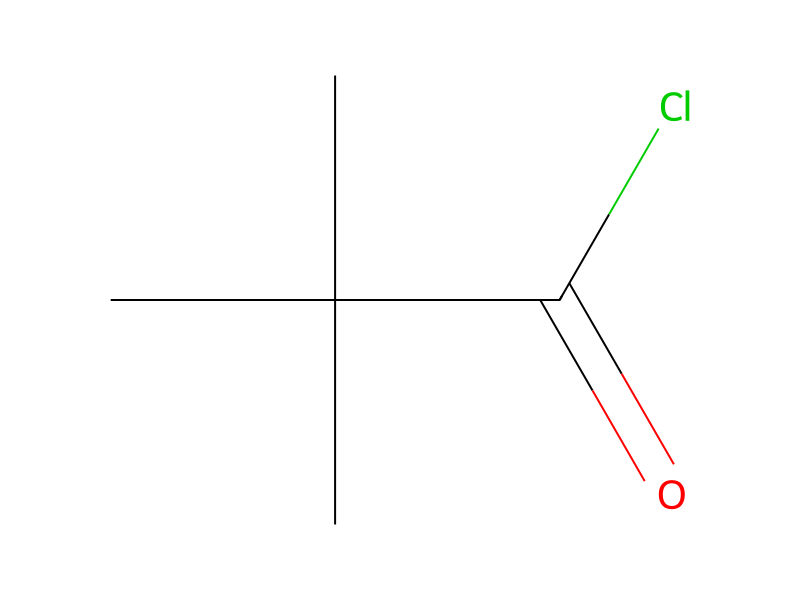
Pivaloyl chloride → HCID 59318452, 화합물

HRID 1021062
인쇄

반응식

HRID 1021062 반응식
[C:1]1([C:15]2[CH:20]=[CH:19][CH:18]=[CH:17][CH:16]=2)[CH:6]=[CH:5][C:4]([CH2:7][C@H:8]2[NH:12][C:11](=[O:13])[C@@H:10]([CH3:14])[CH2:9]2)=[CH:3][CH:2]=1.C(OC(=O)[C@H](C)C[C@H:27]([N:41]1[C:45](=O)[CH2:44][CH2:43][C:42]1=O)CC1C=CC(C2C=CC=CC=2)=CC=1)C.C([Li])CCC.[C:55](Cl)(=[O:60])[C:56]([CH3:59])([CH3:58])[CH3:57]>C1COCC1>[C:1]1([C:15]2[CH:16]=[CH:17][CH:18]=[CH:19][CH:20]=2)[CH:2]=[CH:3][C:4]([CH2:7][C@H:8]2[N:12]([C:55](=[O:60])[C:56]([CH3:59])([CH3:58])[CH3:57])[C:11](=[O:13])[C@@H:10]([CH3:14])[CH2:9]2)=[CH:5][CH:6]=1.[C:1]1([C:15]2[CH:16]=[CH:17][CH:18]=[CH:19][CH:20]=2)[CH:2]=[CH:3][C:4]([CH2:7][C@H:8]2[N:12]([CH2:27][N:41]3[CH2:45][CH2:44][CH2:43][CH2:42]3)[C:11](=[O:13])[C@H:10]([CH3:14])[CH2:9]2)=[CH:5][CH:6]=1
참가 물질반응 조건실험 절차후처리출처 및 근거반응 노트

참가 물질

7

반응물 4

HCID 62493Pivaloyl chlorideHCID 59318451(3S,5S)-5-biphenyl-4-ylmethyl-3-methylpyrrolidin-2-oneHCID 66739220(2R,4S)-5-Biphenyl-4-yl-4-(2,5-dioxopyrrolidin-1-yl)-2-methylpentanoic acid ethyl esterHCID 178418339Butyllithium

생성물 2

HCID 59318452HCID 59318452, 화합물
HCID 68714094
HCID 68714094, 화합물

시약·촉매·용매 1

HCID 8028Tetrahydrofuran용매

반응 조건

온도
-78 °C

실험 절차

146 mg (3S,5S)-5-biphenyl-4-ylmethyl-3-methylpyrrolidin-2-one (2-b, R1=H) [9:1 diastereoisomer mixture [(2S,4S): (2R,4S)]] is added to 10 ml THF. The mixture is cooled to −78° C. and 381 μl butyllithium (1.59 M in hexane) are added. 81 μl Pivaloyl chloride is then added. After 4 h, the mixture is warmed to room temperature. The mixture is then quenched by the addition of saturated ammonium chloride solution and isopropyl acetate. The phases are separated and the organic phase dried (MgSO4) and then concentrated in vacuo. The residue is purified by column chromatography, by eluting with isopropyl acetate/hexane 3:1 to 1:0 to afford (3S,5S)-5-biphenyl-4-ylmethyl-1-(2,2-dimethylpropionyl)-3-methylpyrrolidin-2-one (2-b, R1=pivaloyl) and (3R,5S)-5-biphenyl-4-ylmethyl-1-(2,2-dimethylpropionyl)-3-methylpyrrolidin-2-one (2-a, R1=pivaloyl). Ratio of diastereoisomers determined by 1H NMR to be 4:1 [(3S,5S): (3R,5S)]. 1H NMR (CDCl3) for (2-b, R1=Piv): 1.09, 1.14 (3H), 1.30 (9H), 1.34 (1H), 2.01-2.66 (3H), 3.03, 3.27 (1H), 4.31, 4.50 (1H), 7.21-7.53 (9H). Diastereomeric ratio is determined by integration of the pairs of signals at [3.03 ppm (2-a, R1=Piv) and 3.27 ppm (2-b, R1=Piv)] or those at [4.31 ppm (2-b, R1=Piv) and 4.50 ppm (2-a, R1=Piv)] from the 1H NMR spectrum. Spectroscopic data for (2-a, R1=Piv) as in Example 5.

후처리

  1. temperaturethe mixture is warmed to room temperature
  2. customThe mixture is then quenched by the addition of saturated ammonium chloride solution and isopropyl acetate
  3. customThe phases are separated
  4. dry with materialthe organic phase dried (MgSO4)
  5. concentrationconcentrated in vacuo
  6. customThe residue is purified by column chromatography
  7. washby eluting with isopropyl acetate/hexane 3:1 to 1:0

출처 및 근거

ORD 기록
ord-44552940afd34324b8b5f02b39aceb1c
출처 데이터셋
uspto-grants-2014_05
DOI
10.6084/m9.figshare.5104873.v1
특허 번호
US08716495B2

반응 노트

이 페이지에서참가 물질반응 조건실험 절차후처리출처 및 근거반응 노트

