Tert-Butylamine → 8-bromo-2-(tert-butylamino)quinazolin-4(3H)-one
반응식

[Br:1][C:2]1[CH:3]=[CH:4][CH:5]=[C:6]2[C:11]=1[N:10]=[C:9](Cl)[N:8]=[C:7]2[OH:13].[CH3:14][C:15]([NH2:18])([CH3:17])[CH3:16]>C(Cl)Cl.CO>[Br:1][C:2]1[CH:3]=[CH:4][CH:5]=[C:6]2[C:11]=1[N:10]=[C:9]([NH:18][C:15]([CH3:17])([CH3:16])[CH3:14])[NH:8][C:7]2=[O:13]참가 물질
4
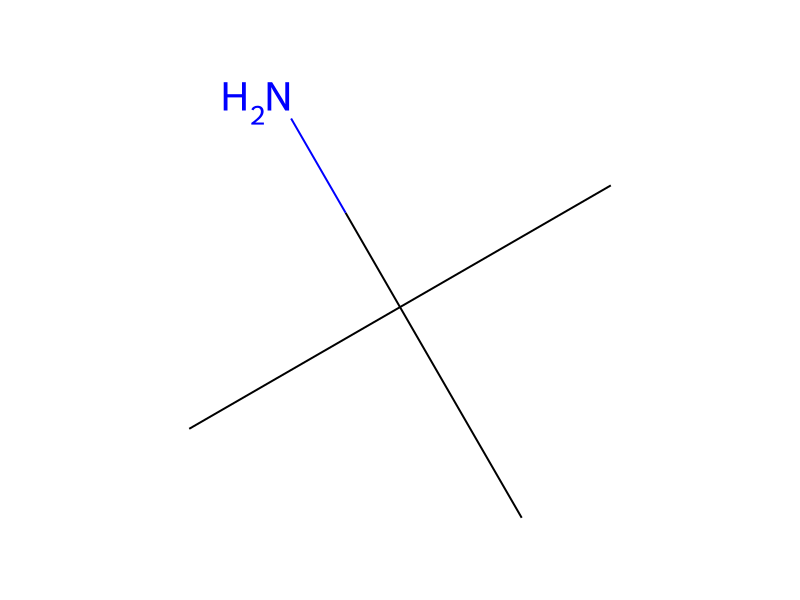


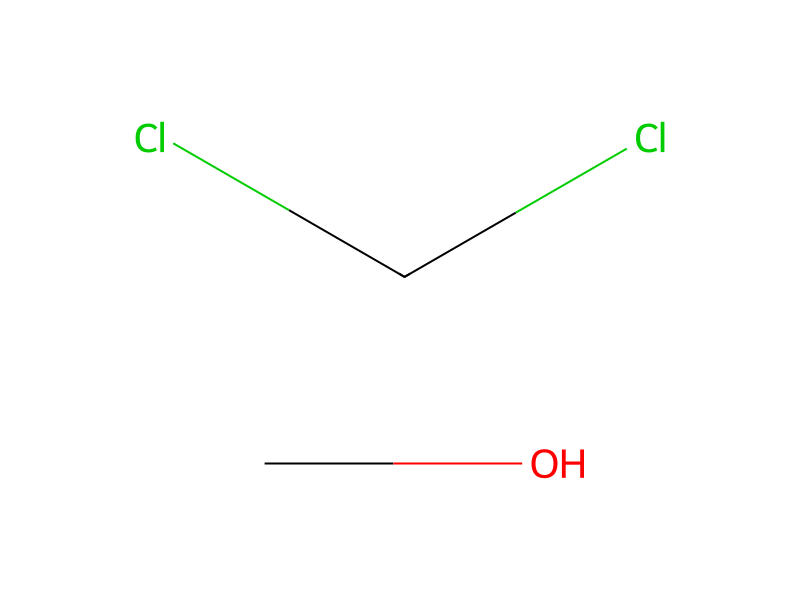
반응 조건
- 온도
- 80 °C
실험 절차
A mixture of 8-bromo-2-chloroquinazolin-4-ol (407c, 0.20 g, 0.77 mmol) in 2-methylpropan-2-amine (1.62 mL, 15.42 mmol) was sealed and heated to 80° C. overnight. The reaction was transferred to a microwave vessel and heated to 170° C. for 30 min. The reaction was transferred to a flask with DCM/MeOH and concentrated in vacuo. The material was taken up in DCM/MeOH and adsorbed onto 1.3 g silica gel and dried in vacuo. The material was purified by silica gel chromatography (24 g column) using 0-100% EtOAc/hexanes. The product-containing fractions were concentrated to afford 8-bromo-2-(tert-butylamino)quinazolin-4(3H)-one (408a, 0.128 g, 0.432 mmol, 56% yield) as a yellow solid. 1H NMR (400 MHz, DMSO-d6) δ ppm 10.59 (1H, s), 7.85-7.90 (2H, m), 7.00 (1H, t, J=7.7 Hz), 6.22 (1H, s), 1.48 (9H, s). m/z (ESI, +ve ion) 296.0/298.0 (M+H)+.