반응식

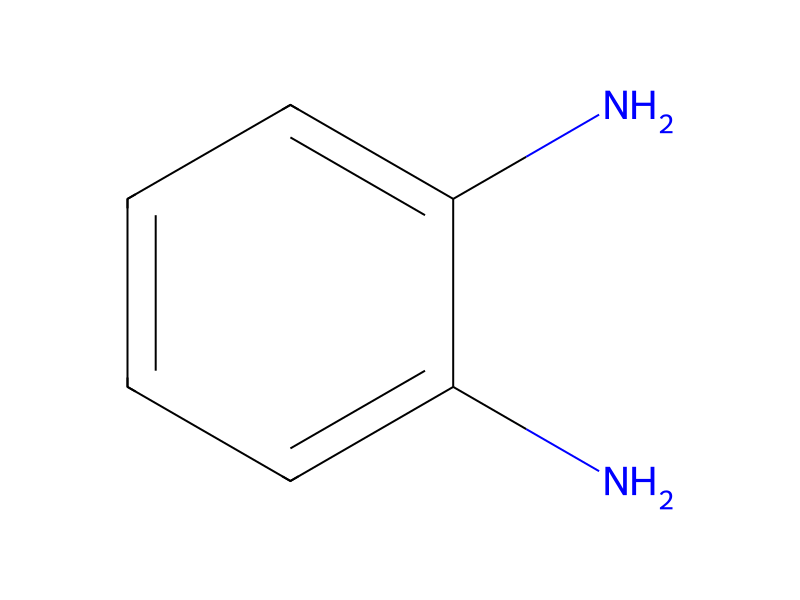
[C:1]1([NH2:8])[C:2]([NH2:7])=[CH:3][CH:4]=[CH:5][CH:6]=1.[CH3:9][O:10][C:11]1[CH:18]=[C:17]([O:19][CH3:20])[CH:16]=[CH:15][C:12]=1[CH:13]=O.C(O)(=O)C>C(O)C>[CH3:9][O:10][C:11]1[CH:18]=[C:17]([O:19][CH3:20])[CH:16]=[CH:15][C:12]=1[C:13]1[NH:8][C:1]2[CH:6]=[CH:5][CH:4]=[CH:3][C:2]=2[N:7]=1참가 물질




실험 절차
Ex-70A: A solution of benzene-1,2-diamine (2.60 g, 24.1 mmol) and 2,4-dimethoxy-benzaldehyde (4.0 g, 24.1 mmol) in ethanol (60 mL) containing catalytic amount of acetic acid was refluxed overnight. Solvent was then evaporated under reduced pressure. The residue oil was triturated in ethyl acetate to obtain 2-(2,4-dimethoxy-phenyl)-1H-benzoimidazole (0.76 g, 12%). The crude product was used without further purification. To a solution of 2-(2,4-dimethoxy-phenyl)-1H-benzoimidazole obtained above (0.76 g, 2.99 mmol) in dichloromethane (20 mL) was added dichloromethyl methyl ether (0.41 mL, 4.48 mmol) followed by addition of titanium tetrachloride (1.0M in dichloromethane, 9.0 mL, 9.0 mmol) at 0° C. The reaction mixture was allowed to stir overnight at ambient temperature and then poured into ice. A solution of sodium hydroxide (5M) was added dropwise until the pH of the solution was about 12. The basic solution was extracted with dichloromethane. The combined solution of dichloromethane was subsequently washed with brine, dried over sodium carbonate and concentrated. The product, 5-(1H-benzoimidazol-2-yl)-2,4-dimethoxy-benzaldehyde (0.40 g, 47%), was obtain and used without further purification. 1H NMR (CDCl3) δ 10.32 (s, 1H), 10.27 (bs, 1H), 9.03 (s, 1H), 7.83 (d, J=9 Hz, 1H), 7.48–7.45 (m, 1H), 7.31–7.22 (m, 1H), 6.58 (s, 1H), 4.18 (s, 3H), 4.01 (s, 3H). MS m/z=282 (M+, 100%).
후처리
- temperaturewas refluxed overnight
- customSolvent was then evaporated under reduced pressure
- customThe residue oil was triturated in ethyl acetate
출처 및 근거
- ORD 기록
- ord-0d8916d749ee4c9582da95c822c09a05
- 출처 데이터셋
- uspto-grants-2006_08
- 특허 번호
- US07094801B2
연결된 노트
불러오는 중…