반응식

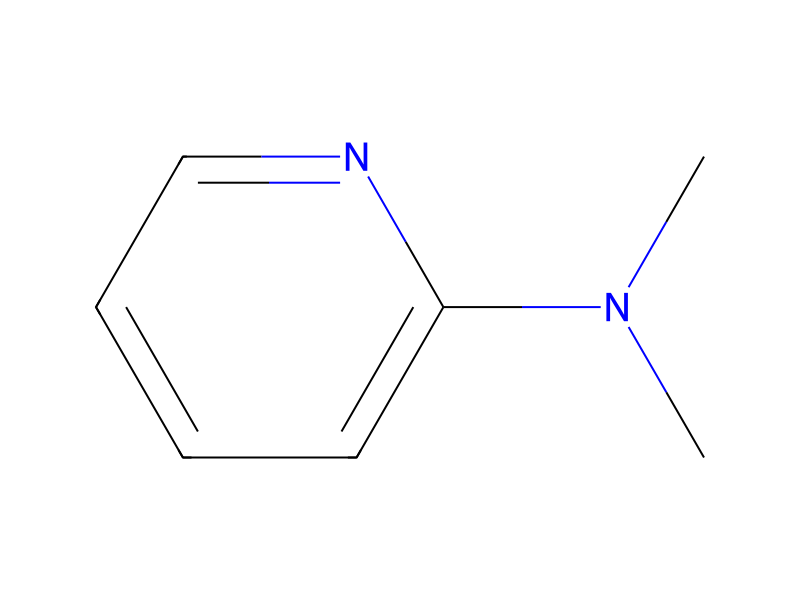
[C:1](Cl)(=[O:6])[C:2]([CH3:5])([CH3:4])[CH3:3].[CH2:8]([O:15][C:16]1[CH:27]=[CH:26][C:19]([CH2:20][N:21]([C:23](=[O:25])[CH3:24])[OH:22])=[CH:18][CH:17]=1)[C:9]1[CH:14]=[CH:13][CH:12]=[CH:11][CH:10]=1.C(N(CC)CC)C.CCOCC>C(Cl)Cl.CN(C1C=CC=CN=1)C>[CH2:8]([O:15][C:16]1[CH:27]=[CH:26][C:19]([CH2:20][N:21]([O:22][C:1]([C:2]([CH3:5])([CH3:4])[CH3:3])=[O:6])[C:23](=[O:25])[CH3:24])=[CH:18][CH:17]=1)[C:9]1[CH:10]=[CH:11][CH:12]=[CH:13][CH:14]=1참가 물질
7






실험 절차
Pivaloylchloride (1.36 ml) was added dropwise to a solution of N-(4-benzyloxybenzyl)acetohydroxamic acid (2.71 g) and triethylamine (1.7 ml) in methylene dichloride (15 ml) and dimethylaminopyridine (100 ml). The mixture was stirred for 2 hours at room temperature, then neutral material was isolated with ether. The product, N-(4-(Benzyloxybenzyl)-N-(t-butylcarbonyloxy)acetamide, was a colourless oil.
출처 및 근거
- ORD 기록
- ord-dc3e59f89ed741099e8fc04c481bc66a
- 출처 데이터셋
- uspto-grants-1991_07
- 특허 번호
- US05036157
연결된 노트
불러오는 중…