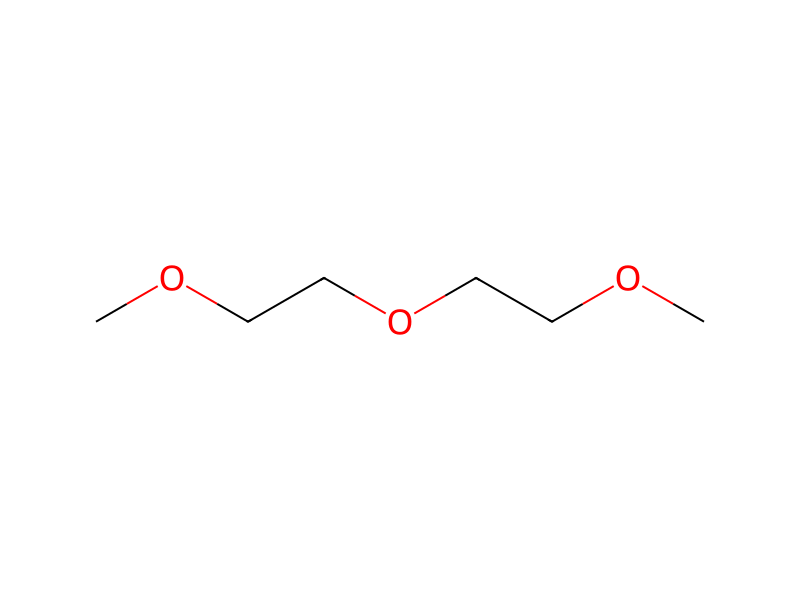
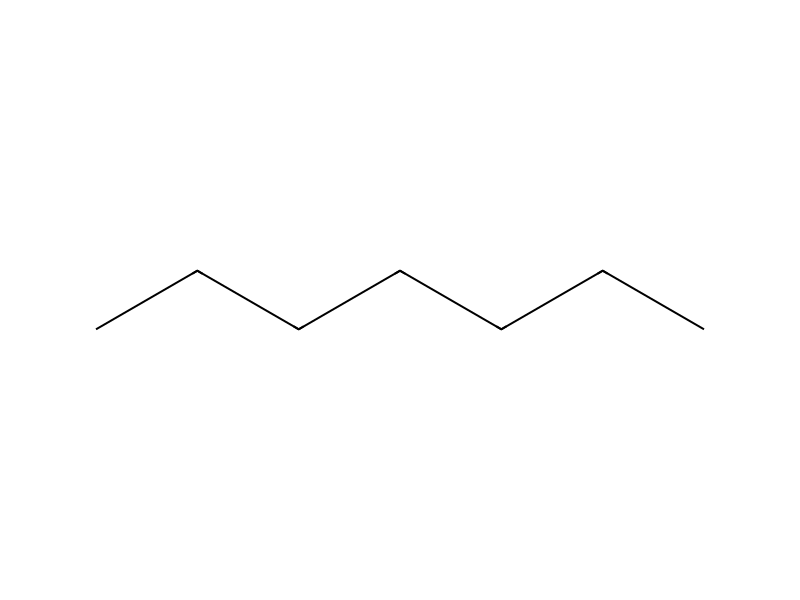
In a 10 L-reaction flask equipped with a rectification column and a separating tank, 314 g (1.81 mol) of 4-tert-butylphenylacetonitrile, 274 g (1.65 mol) of 1,3,4-trimethylpyrazol-5-carboxylic acid methyl ester, 3000 g of heptane, 225 g of diethylene-glycol dimethyl ether, and 99 g of diethylene glycol monoethyl ether were added, the atmosphere was substituted with nitrogen, then azeotropic dehydration was carried out by heating at 90 to 95° C. for 1 hour. The temperature was maintained, 381 g (1.98 mol) of 28% sodium methoxide methanol solution was added dropwise over 13 hours, and the resulting mixture was further reacted for 10 hours. During this reaction, it is continued to remove alcohol separated in the phase under the heptane phase in the separating tank. After cooling to 30° C. or less, 3000 g of water was added to separate out heptane phase, and the resulting aqueous phase was further washed with 600 g of heptane to separate out heptane phase. A quantitative analysis of the obtained aqueous phase with liquid chromatography showed that the aqueous phase contained 486 g (yield 95.5%) of 2-(4-tert-butylphenyl)-3-(1,3,4-trimethyl-5-pyrazolyl)-3-oxopropionitrile. To the aqueous phase, 206 g (1.98 mol) of 35% hydrochloric acid was gradually added dropwise to be neutralized. After stirring for 1 hour, separated crystal was filtered, washed with 300 g of water, and then dried to obtain 475 g (yield 93.4%) of 3-oxo-2-(4-tert-butylphenyl)-3-(1,3,4-trimethylpyrazol-5-yl) propionitrile.