반응식

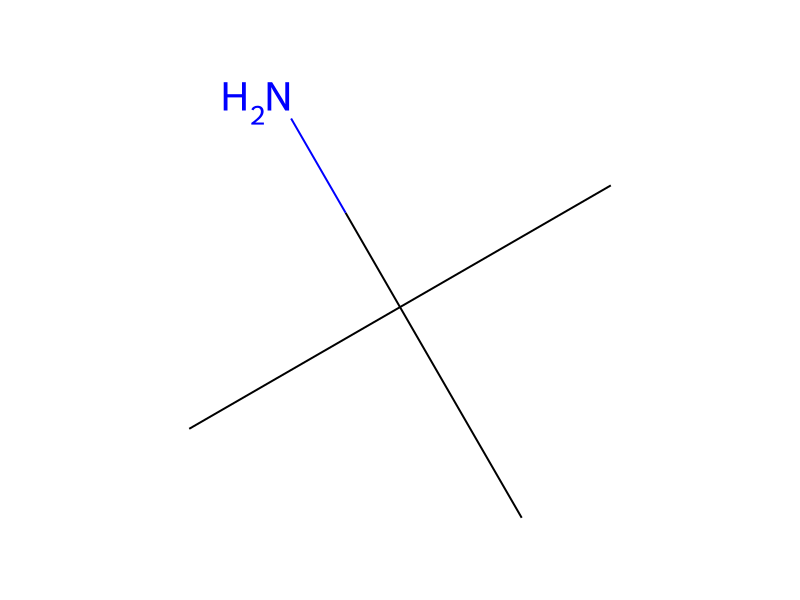
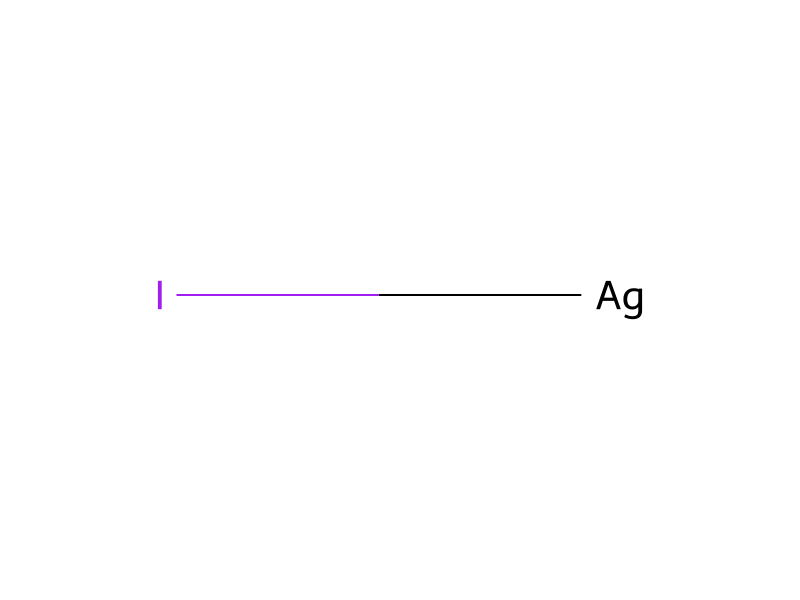
C(N)(C)(C)C.[C:6]([NH:10][CH2:11][CH:12]([OH:25])[CH2:13][O:14][C:15]1[C:24]2[CH2:23][CH:22]=CC[C:19]=2[CH:18]=[CH:17][CH:16]=1)([CH3:9])([CH3:8])[CH3:7].[C:26]([O:29]I)(=O)[CH3:27].C(O)(=[O:33])C>[Ag]I>[CH3:7][C:6]([NH:10][CH2:11][CH:12]([OH:25])[CH2:13][O:14][C:15]1[CH:16]=[CH:17][CH:18]=[C:19]2[CH2:27][C@@H:26]([OH:29])[C@@H:22]([OH:33])[CH2:23][C:24]=12)([CH3:9])[CH3:8]참가 물질



실험 절차
Subsequently Hauck in Canadian Letters Patent 1,041,544 attempted to separate the four optical cis isomers of 2,3-cis-1,2,3,4-tetrahydro-S-[2-hydroxy-3-(tert-butylamino) propoxy]-2,3-naphthalenediol in order to determine the best of these isomers. The processes of manufacture (See pages 4, 5 and 6 of the Patent and example 4 at pages 18 and of the patent) employ water. Crystallization of isomer product is from chloroform. In Hauck's laboratory procedure resulting 1-(2,3-epoxypropoxy)-5,8-dihydronaphthalene is isolated and subsequently reacted with t-butylamine in a high pressure reactor. The resulting dl-1-(tert-butylamino)-3-(5,8-dihydronaphthyl)oxyl-2-propanol is then cis hydroxylated with wet acetic acid, silver iodide, and the resulting acetoxy iodide is hydrolysed with base and finally subjected to catalytic hydrogenation to afford crude Nadolol.
후처리
- customis isolated
출처 및 근거
- ORD 기록
- ord-26ef28bfcba64683971d76ca8f18c42a
- 출처 데이터셋
- uspto-grants-1994_06
- 특허 번호
- US05319141
연결된 노트
불러오는 중…