Dimethylamine → HCID 59511157, 화합물
반응식

Cl[C:2]1[N:7]=[N:6][C:5]([C:8]2[CH:13]=[CH:12][CH:11]=[CH:10][CH:9]=2)=[C:4]([N:14]2[CH2:19][CH2:18][N:17]([C:20]([C:22]3[CH:27]=[CH:26][CH:25]=[CH:24][CH:23]=3)=[O:21])[CH2:16][CH2:15]2)[CH:3]=1.[CH3:28][NH:29][CH3:30]>CO.C1COCC1>[CH3:28][N:29]([CH3:30])[C:2]1[N:7]=[N:6][C:5]([C:8]2[CH:13]=[CH:12][CH:11]=[CH:10][CH:9]=2)=[C:4]([N:14]2[CH2:19][CH2:18][N:17]([C:20]([C:22]3[CH:27]=[CH:26][CH:25]=[CH:24][CH:23]=3)=[O:21])[CH2:16][CH2:15]2)[CH:3]=1참가 물질
5
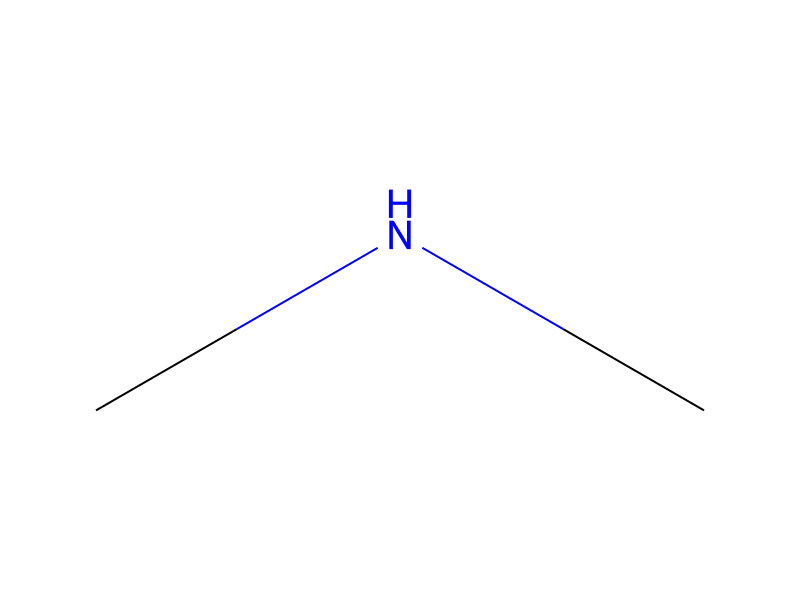




반응 조건
- 온도
- 60 °C
실험 절차
To (4-(6-chloro-3-phenylpyridazin-4-yl)piperazin-1-yl)(phenyl)methanone (1 g) dissolved in methanol (40 ml), and dimethyl amine in THF (10 ml) was added under nitrogen atmosphere and the reaction mixture was heated to 60° C. for 18 hrs. The progress of reaction was monitored by TLC. After consumption of starting material, reaction mixture was cooled to room temperature and neutralized with solid sodium bicarbonate. The mixture was extracted with dichloromethane (3×10 ml). The combined organic layer was dried over anhydrous sodium sulphate and concentrated to afford (4-(6-(dimethylamino)-3-phenylpyridazin-4-yl)piperazin-1-yl)(phenyl)methanone as yellow liquid.