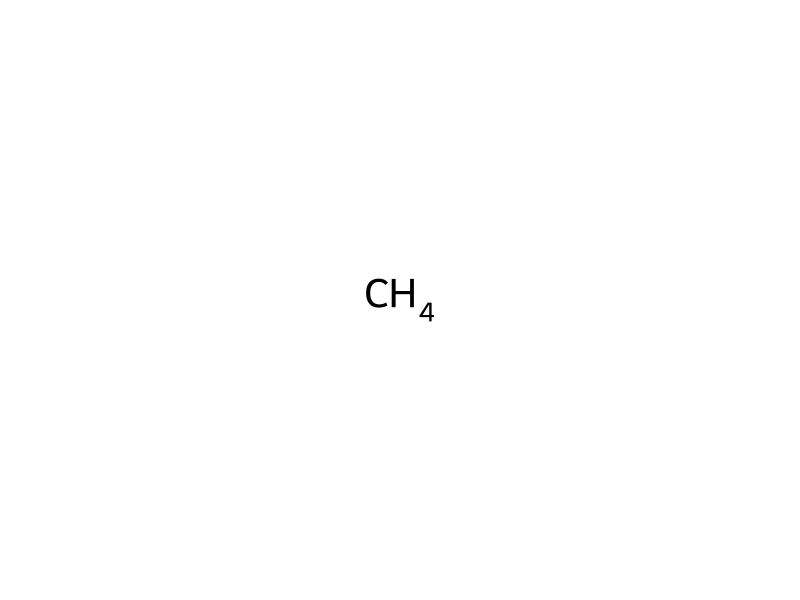
[Cl:1][C:2]1[CH:3]=[C:4]2[C:12](=[C:13]([N+:18]([O-])=O)[C:14]=1[S:15][CH2:16][CH3:17])[NH:11][C:10]1[CH:9]=[N:8][CH:7]=[CH:6][C:5]2=1.[Cl-].[NH4+].C>C(O)C.C(OCC)(=O)C.[Fe]>[Cl:1][C:2]1[CH:3]=[C:4]2[C:12](=[C:13]([NH2:18])[C:14]=1[S:15][CH2:16][CH3:17])[NH:11][C:10]1[CH:9]=[N:8][CH:7]=[CH:6][C:5]2=1A 50 ml round-bottom flask with magnetic stirrer was charged with 6-chloro-7-ethylsulfanyl-8-nitro-9H-β-carboline (85.0 mg, 0.28 mmol) in 10 ml anhydrous ethanol. To the resulting orange mixture at RT was added 0.33 M aqueous ammonium chloride (2.0 ml, 0.66 mmol) and iron powder (680 mg, 12.2 mmol). The reaction mixture was heated to 60° C. and stirred vigorously for 20 hr. Next, the mixture was cooled to RT, diluted with ethyl acetate (15 ml), and activated charcoal (˜180 mg) was added. The resulting mixture was filtered through a pad of celite and the filtrate was concentrated to afford 77.8 mg of 6-chloro-7-ethylsulfanyl-9H-β-carbolin-8-ylamine as a yellow solid (>99%).