홈MCP워크벤치Skills
홈워크벤치알림마이페이지
llms.txt · MCP 가이드개인정보처리방침 · 이용약관 · 지원v1.8.3
  1. 홈
  2. /반응

Toluene → (-)-(1R,3R)-1-[3-(tert-butyl-dimethyl-silanyloxy)-cyclopentyl]-3-(4-methoxy-phenyl)-7-phenylamino-3,4-dihydro-1H-pyrimido[4,5-d]pyrimidin-2-one

HRID 1243203
인쇄

반응식

HRID 1243203 반응식
C(OC([C:6]1[C:7]([NH:14][C@@H:15]2[CH2:19][CH2:18][C@@H:17]([O:20][Si:21]([C:24]([CH3:27])([CH3:26])[CH3:25])([CH3:23])[CH3:22])[CH2:16]2)=[N:8][C:9](SC)=[N:10][CH:11]=1)=O)C.[H-].[Al+3].[Li+].[H-].[H-].[H-].[C:34]([CH:37]([CH:39]([C:41]([O-:43])=O)O)O)([O-])=O.[Na+].[K+].CO[C:48]1[CH:53]=[CH:52][C:51]([NH2:54])=[CH:50][CH:49]=1.O.[C:56]1([CH3:66])C=CC(S(O)(=O)=O)=CC=1.[CH2:67]([N:69](CC)CC)C.[C:74](Cl)(Cl)=[O:75].[C:78]1(C)C=CC=CC=1.ClC1C=C(C=CC=1)C(OO)=O>O1CCCC1.ClCCl.[O-2].[O-2].[Mn+4].C(OCC)(=O)C>[C:24]([Si:21]([CH3:23])([CH3:22])[O:20][C@@H:17]1[CH2:18][CH2:19][C@@H:15]([N:14]2[C:7]3=[N:8][C:9]([NH:54][C:51]4[CH:50]=[CH:49][CH:48]=[CH:53][CH:52]=4)=[N:10][CH:11]=[C:6]3[CH2:67][N:69]([C:34]3[CH:37]=[CH:39][C:41]([O:43][CH3:78])=[CH:66][CH:56]=3)[C:74]2=[O:75])[CH2:16]1)([CH3:26])([CH3:27])[CH3:25]
참가 물질실험 절차후처리출처 및 근거반응 노트

참가 물질

14

반응물 9

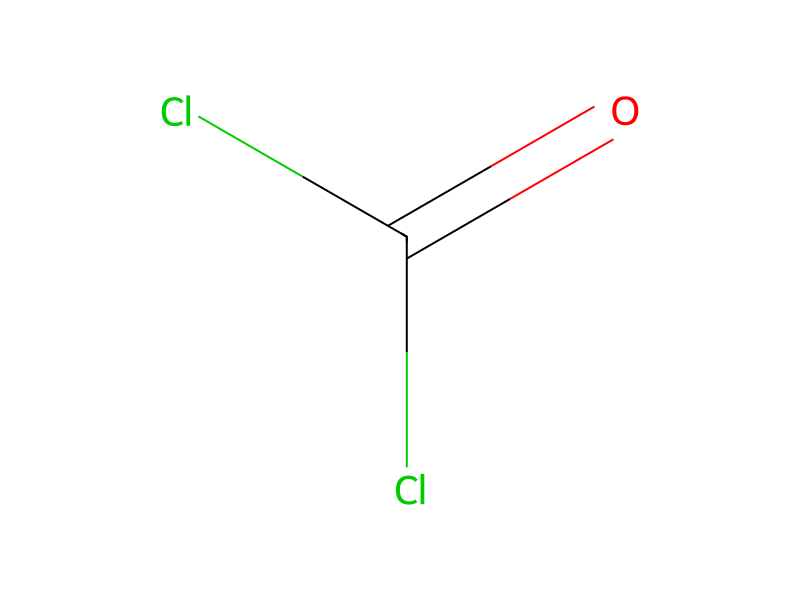
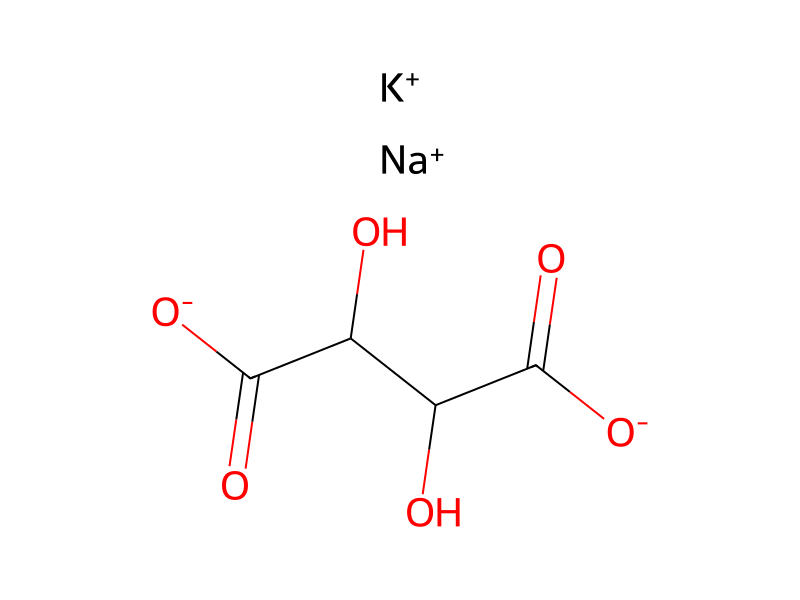
HCID 1140TolueneHCID 6371PhosgeneHCID 7732P-AnisidineHCID 8471TriethylamineHCID 70297m-Chloroperbenzoic acidHCID 521998p-Toluenesulfonic acid monohydrateHCID 9855836Potassium sodium tartarate2회
HCID 11750254
(+)-(1R,3R)-4-[3-(tert-butyl-dimethyl-silanyloxy)-cyclopentylamino]-2-methylsulfanyl-pyrimidine-5-carboxylic acid ethyl ester
HCID 21226445Aluminium lithium hydride2회

생성물 1

HCID 11238111(-)-(1R,3R)-1-[3-(tert-butyl-dimethyl-silanyloxy)-cyclopentyl]-3-(4-methoxy-phenyl)-7-phenylamino-3,4-dihydro-1H-pyrimido[4,5-d]pyrimidin-2-one

시약·촉매·용매 4

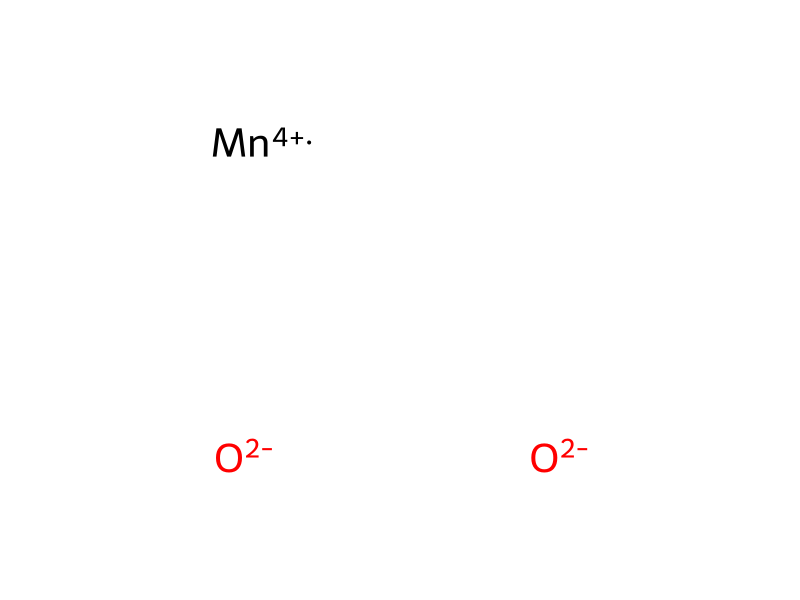
HCID 178418406HCID 178418406, 화합물촉매HCID 6344Dichloromethane용매HCID 8028Tetrahydrofuran용매HCID 8857Ethyl Acetate용매2회

실험 절차

To a mixture of (+)-(1R,3R)-4-[3-(tert-butyl-dimethyl-silanyloxy)-cyclopentylamino]-2-methylsulfanyl-pyrimidine-5-carboxylic acid ethyl ester (710 mg, 1.73 mmol) (from Example 27d supra) in anhydrous tetrahydrofuran (50 mL) at 0° C. was added in portions lithium aluminum hydride (196 mg, 5.19 mmol) (Aldrich). The slurry that resulted was allowed to slowly warm up to room temperature and after stirring for 5.5 hours was poured in portions to a vigorously stirred mixture of ethyl acetate and saturated aqueous potassium sodium tartrate solution. The organic layer was then collected, dried over sodium sulfate, filtered and concentrated to a solid residue that was dissolved in dichloromethane (50 mL). To this solution was added manganese dioxide (1.5 g, 17.30 mmol) (Aldrich) and the resulting slurry was stirred for 3.5 hours and then filtered. The solids were washed with tetrahydrofuran (approximately 30 mL) and the combined filtrate was concentrated to a residue that was dissolved in benzene (60 mL). That solution was treated with p-anisidine (180 mg, 1.49 mmol) (Aldrich) and p-toluenesulfonic acid mono-hydrate (25 mg) (Aldrich) and refluxed using a Dean Stark apparatus overnight. The mixture was then cooled, partitioned between ethyl acetate and water and the organic layer was collected, dried over sodium sulfate, filtered and concentrated. The residue was dissolved in anhydrous tetrahydrofuran (50 mL) and the solution that resulted was cooled at 0° C. To this solution was added lithium aluminum hydride (150 mg, 4.08 mmol) in small portions and the slurry that formed was allowed to slowly warm up to room temperature. After stirring overnight the slurry was poured in portions into a mixture of ethyl acetate and saturated aqueous potassium sodium tartrate solution. The organic layer was collected, dried over sodium sulfate, filtered and concentrated and the residue was purified by chromatography on a silica gel column with a 0–30% ethyl acetate in hexanes gradient. The intermediate obtained from that purification was then dissolved in dichloromethane (80 mL) and that solution was treated with triethylamine (490 μL, 0.35 g, 3.47 mmol) (Aldrich) and cooled at 0° C. This was followed by a dropwise addition of a 20% phosgene in toluene solution (570 μL, 1.16 mmol) (Fluka). The reaction mixture was stirred at 0° C. for 20 minutes and at room temperature for 1 hour and then partitioned between ethyl acetate and water. The organic layer was collected, dried over sodium sulfate, filtered and concentrated. The residue was purified by chromatography on a silica gel column with a 0–30% ethyl acetate in hexanes gradient. The intermediate from this purification was dissolved in tetrahydrofuran (50 mL). This solution was then treated with 3-chloroperoxy-benzoic acid (75%, 320 mg, 1.43 mmol) (Aldrich) stirred overnight and partitioned between ethyl acetate and saturated aqueous potassium carbonate solution. The organic layer was collected, dried over sodium sulfate, filtered and concentrated to a solid residue. This residue was dissolved in aniline (3 mL) (Aldrich) and stirred at 75° C. for 16.5 hours. The mixture was then cooled, and purified by silica gel column chromatography with a 0–20% diethyl ether in toluene gradient to give (−)-(1R,3R)-1-[3-(tert-butyl-dimethyl-silanyloxy)-cyclopentyl]-3-(4-methoxy-phenyl)-7-phenylamino-3,4-dihydro-1H-pyrimido[4,5-d]pyrimidin-2-one as an off-white solid. (Yield 152 mg, 68%).


후처리

  1. customThe slurry that resulted
  2. customThe organic layer was then collected
  3. dry with materialdried over sodium sulfate
  4. filtrationfiltered
  5. concentrationconcentrated to a solid residue that
  6. dissolutionwas dissolved in dichloromethane (50 mL)
  7. stirringthe resulting slurry was stirred for 3.5 hours
  8. filtrationfiltered
  9. washThe solids were washed with tetrahydrofuran (approximately 30 mL)
  10. concentrationthe combined filtrate was concentrated to a residue that
  11. dissolutionwas dissolved in benzene (60 mL)
  12. temperaturerefluxed
  13. customa Dean Stark apparatus overnight
  14. temperatureThe mixture was then cooled
  15. custompartitioned between ethyl acetate and water
  16. customthe organic layer was collected
  17. dry with materialdried over sodium sulfate
  18. filtrationfiltered
  19. concentrationconcentrated
  20. dissolutionThe residue was dissolved in anhydrous tetrahydrofuran (50 mL)
  21. customthe solution that resulted
  22. temperaturewas cooled at 0° C
  23. customthe slurry that formed
  24. temperatureto slowly warm up to room temperature
  25. stirringAfter stirring overnight the slurry
  26. customThe organic layer was collected
  27. dry with materialdried over sodium sulfate
  28. filtrationfiltered
  29. concentrationconcentrated
  30. customthe residue was purified by chromatography on a silica gel column with a 0–30% ethyl acetate in hexanes gradient
  31. customThe intermediate obtained from that purification
  32. temperaturecooled at 0° C
  33. stirringThe reaction mixture was stirred at 0° C. for 20 minutes and at room temperature for 1 hour
  34. custompartitioned between ethyl acetate and water
  35. customThe organic layer was collected
  36. dry with materialdried over sodium sulfate
  37. filtrationfiltered
  38. concentrationconcentrated
  39. customThe residue was purified by chromatography on a silica gel column with a 0–30% ethyl acetate in hexanes gradient
  40. customThe intermediate from this purification
  41. dissolutionwas dissolved in tetrahydrofuran (50 mL)
  42. stirringstirred overnight
  43. custompartitioned between ethyl acetate and saturated aqueous potassium carbonate solution
  44. customThe organic layer was collected
  45. dry with materialdried over sodium sulfate
  46. filtrationfiltered
  47. concentrationconcentrated to a solid residue
  48. dissolutionThis residue was dissolved in aniline (3 mL) (Aldrich)
  49. stirringstirred at 75° C. for 16.5 hours
  50. temperatureThe mixture was then cooled
  51. custompurified by silica gel column chromatography with a 0–20% diethyl ether in toluene gradient

출처 및 근거

ORD 기록
ord-2119dcd4639e41168eefb1b6ed03b84d
출처 데이터셋
uspto-grants-2006_10
DOI
10.6084/m9.figshare.5104873.v1
특허 번호
US07115740B2

반응 노트

이 페이지에서참가 물질실험 절차후처리출처 및 근거반응 노트