반응식

C(N(CC)CC)C.ClC(OCC(C)C)=O.[N+:16]([C:19]1[CH:35]=[CH:34][C:22]([CH2:23][O:24][C:25]([NH:27][CH2:28][CH2:29][CH2:30][C:31](O)=[O:32])=[O:26])=[CH:21][CH:20]=1)([O-:18])=[O:17].S.[S:37](=O)(=O)(O)O>C(Cl)Cl>[N+:16]([C:19]1[CH:35]=[CH:34][C:22]([CH2:23][O:24][C:25]([NH:27][CH2:28][CH2:29][CH2:30][C:31]([OH:32])=[S:37])=[O:26])=[CH:21][CH:20]=1)([O-:18])=[O:17]참가 물질
7
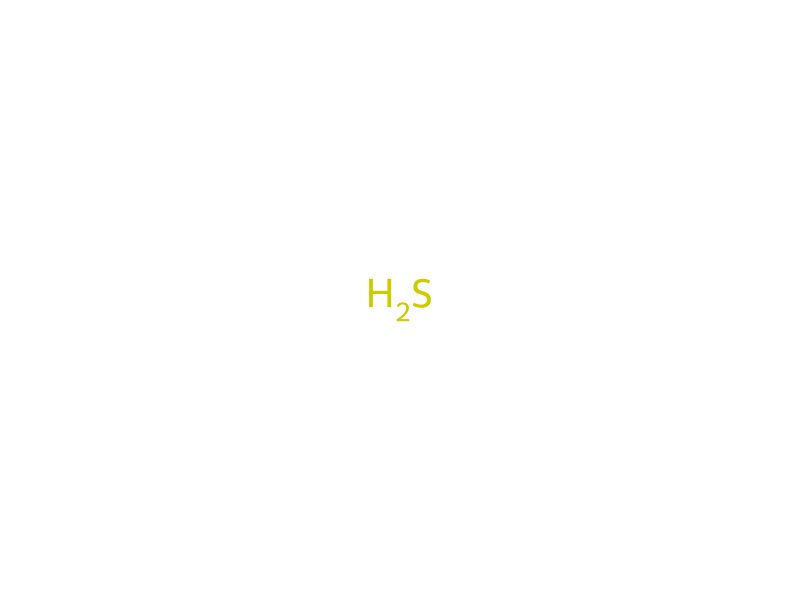





실험 절차
2.2 g (20 mmol) of triethylamine and a solution of 1.4 ml (10 mmol) of isobutyl chloroformate in 20 ml of dry methylene chloride are added dropwise in succession to a solution, cooled to -10°, of 2.82 g (10 mmol) of 4-p-nitrobenzyloxycarbonylaminobutyric acid in 50 ml of dry methylene chloride. The reaction mixture is stirred for one hour and subsequently a strong current of hydrogen sulphide is passed through for a period of 2 hours. After acidifying with 2N sulphuric acid, the organic phase is separated, dried and concentrated in vacuo. The 4-p-nitrobenzyloxycarbonylaminothiobutyric acid obtained can be used without further purification.
후처리
- customis passed through for a period of 2 hours
- customthe organic phase is separated
- customdried
- concentrationconcentrated in vacuo
출처 및 근거
- ORD 기록
- ord-3746b078cefa45d6bd1d766e15ac7e67
- 출처 데이터셋
- uspto-grants-1985_06
- 특허 번호
- US04524028
연결된 노트
불러오는 중…