Propylene Oxide → HCID 12763958, 화합물
반응식

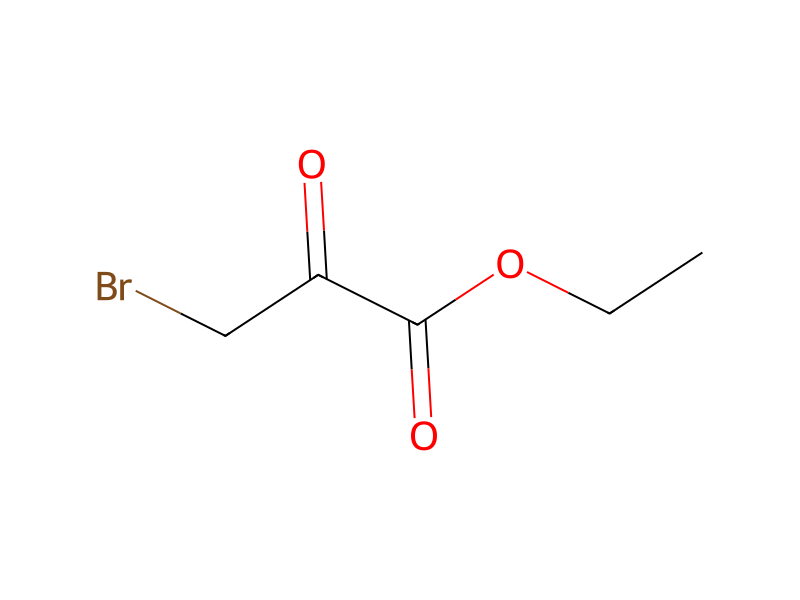
[NH2:1][C:2]1[CH:11]=[CH:10][C:9]2[C:4](=[CH:5][C:6]([Cl:12])=[CH:7][CH:8]=2)[N:3]=1.Br[CH2:14][C:15](=O)[C:16]([O:18][CH2:19][CH3:20])=[O:17].C1OC1C>C(COC)OC>[Cl:12][C:6]1[CH:5]=[C:4]2[C:9]([CH:10]=[CH:11][C:2]3[N:3]2[CH:14]=[C:15]([C:16]([O:18][CH2:19][CH3:20])=[O:17])[N:1]=3)=[CH:8][CH:7]=1참가 물질
5




실험 절차
2.0 g of 2-amino-7-chloroquinoline [Chem. Abs., Vol. 79, p. 92024t] were dissolved in 40 ml of dimethoxyethane and then a mixture of 2.5 g of ethyl bromopyruvate and 0.5 g of propylene oxide in 5 ml of dimethoxyethane was added thereto. The mixture obtained was allowed to stand at room temperature for 1 hour and the quaternary salt thus precipitated was filtered off, washed with ether and then was dissolved in 50 ml of ethanol. The solution was refluxed for 1 hour and on subsequent cooling in ice, the solution precipitated ethyl 8-chlorimidazo-[1,2-a]-quinoline-2-carboxylate hydrobromide as pale lemon hygroscopic crystals. This salt was partitioned between 50 ml of dilute sodium carbonate solution and 100 ml of chloroform and the organic solution was separated, washed with 50 ml of water, dried over MgSO4 and was evaporated to dryness under reduced pressure. The residue was crystallized from chloroform/diethyl ether to give colorless crystals of ethyl 8-chloroimidazo-[1,2-a]-quinoline-2-carboxylate melting at 221°-222° C.