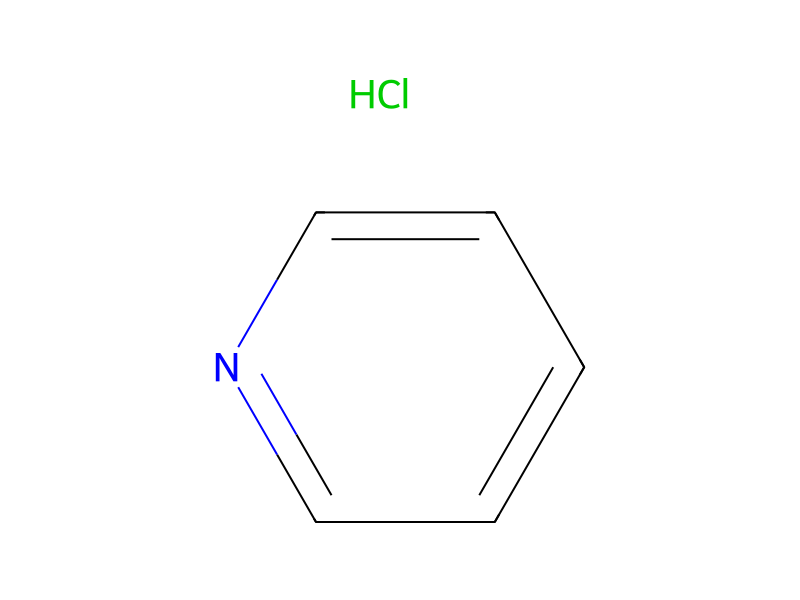
[NH2:1][C:2]1[CH:3]=[N:4][C:5]2[C:10]([C:11]=1[NH:12][CH2:13][C:14]1([OH:20])[CH2:19][CH2:18][CH2:17][CH2:16][CH2:15]1)=[N:9][CH:8]=[CH:7][CH:6]=2.[C:21](OC)(OC)(OC)[CH2:22][CH2:23][CH3:24].Cl.N1C=CC=CC=1>C1(C)C=CC=CC=1>[CH2:22]([C:21]1[N:12]([CH2:13][C:14]2([OH:20])[CH2:19][CH2:18][CH2:17][CH2:16][CH2:15]2)[C:11]2[C:10]3[N:9]=[CH:8][CH:7]=[CH:6][C:5]=3[N:4]=[CH:3][C:2]=2[N:1]=1)[CH2:23][CH3:24]A solution of 1-{[(3-amino[1,5]naphthyridin-4-yl)amino]methyl}cyclohexanol (prepared as described in Part B, 15.1 mmol), trimethyl orthobutyrate (2.63 mL, 16.6 mmol), and pyridine hydrochloride (0.650 g, 5.64 mmol) in toluene (100 mL) was heated at reflux overnight. The solution was allowed to cool to rt, then was concentrated under reduced pressure. The residue was partitioned between chloroform (200 mL) and saturated aqueous sodium bicarbonate (75 mL). The aqueous layer was extracted with chloroform (2×50 mL). The combined organic layers were washed with brine (50 mL), dried over MgSO4, filtered, and concentrated under reduced pressure. The resulting solid was triturated with ethyl acetate and isolated by filtration. The filtrate was concentrated and the solid was again triturated with ethyl acetate; this procedure was repeated two more times. The white solids were combined and dried under vacuum to yield 1-[(2-propyl-1H-imidazo[4,5-c][1,5]naphthyridin-1-yl)methyl]cyclohexanol (3.40 g, 70% over two steps).