반응식

[C-]#[C-].[Li+:3].[Li+].C[O:6]CCl.BrC[C:11]1ON=[C:13]([O:16]C)[CH:12]=1.[C:18]1(C(C2C=CC=CC=2)OC2C(CI)=NSN=2)C=CC=C[CH:19]=1.C(=O)=O>O1CCCC1>[C:13]([OH:16])(=[O:6])[C:12]#[CH:11].[C-:18]#[C-:19].[Li+:3].[Li+:3]참가 물질
반응물 5

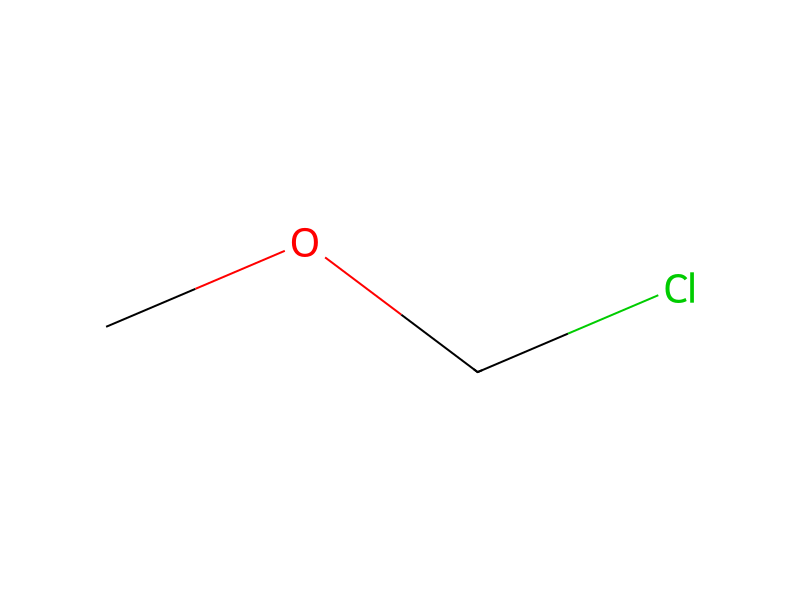


생성물 2

시약·촉매·용매 1

실험 절차
Dibromoolefin intermediate XIX is then converted to ethynyl intermediate XX. Treatment of the dibromoolefin intermediate with about two equivalents of n-butyllithium produces the lithium acetylide XX, wherein R13 is Li. This transformation is typically carried out in a polar organic solvent, such as tetrahydrofuran, at a temperature of about -78° C. to about 25° C. The lithium acetylide is reacted with electrophiles, such as methoxymethyl chloride, 5-bromomethyl-3-methoxyisoxazole, 3-diphenylmethoxy-4-iodomethyl-1,2,5-thiadiazole, carbon dioxide, tetrazole disulfide, and the like, to prepare the formula I compounds. In a typical example, the lithium acetylide is treated with solid CO2 at a temperature of about -78° C. to about -60° C. to produce propargylic acid intermediate XX wherein R13 is CO2H. This compound may be further modified as described herein.
후처리
- customthe like, to prepare the formula I compounds
출처 및 근거
- ORD 기록
- ord-0959af75a1d443efa21b0b9362963da6
- 출처 데이터셋
- uspto-grants-1997_09
- 특허 번호
- US05670516
연결된 노트
불러오는 중…