반응식

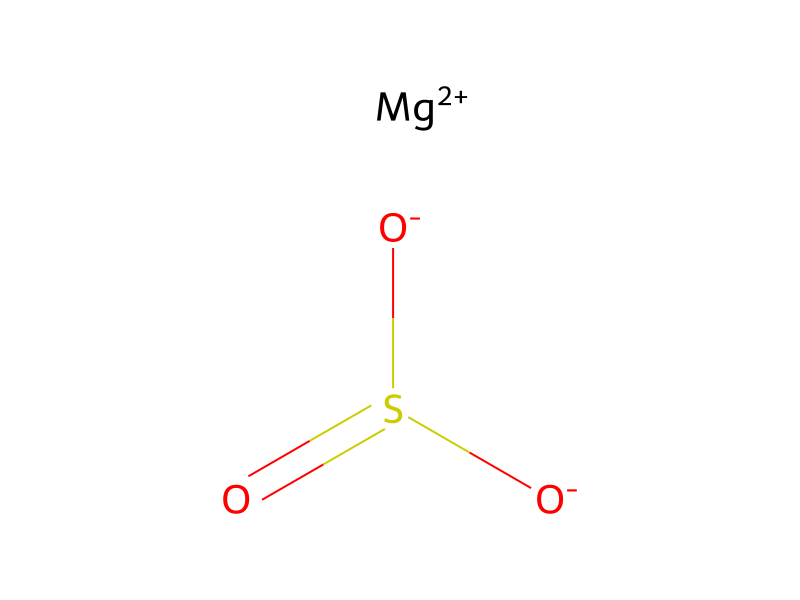
[OH-].[Ca+2].[OH-].[Mg:4].[Cl-].[S:6]([O-])([O-:9])(=[O:8])=[O:7].[OH-].[Mg+2].[OH-].S(=O)=O>>[S:6]([O-:9])([O-:8])=[O:7].[Mg+2:4].[S:6](=[O:7])([OH:9])[O-:8]참가 물질



실험 절차
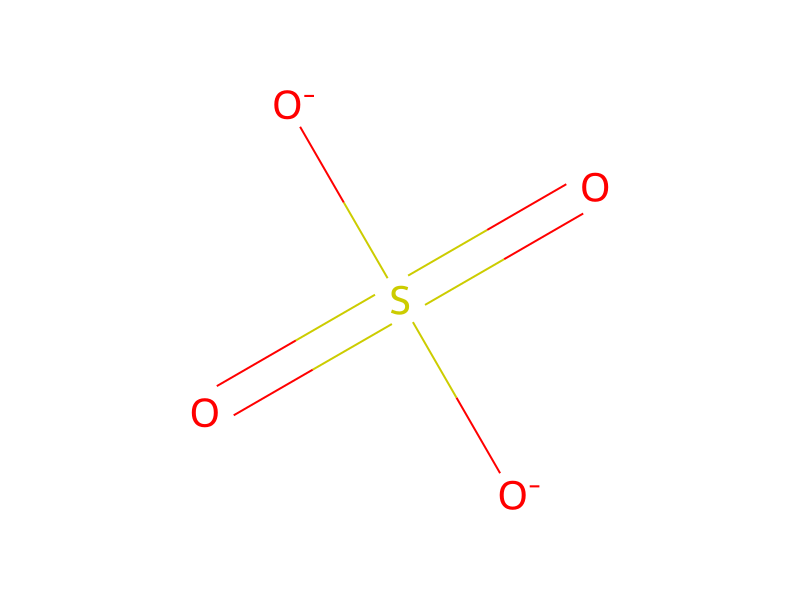
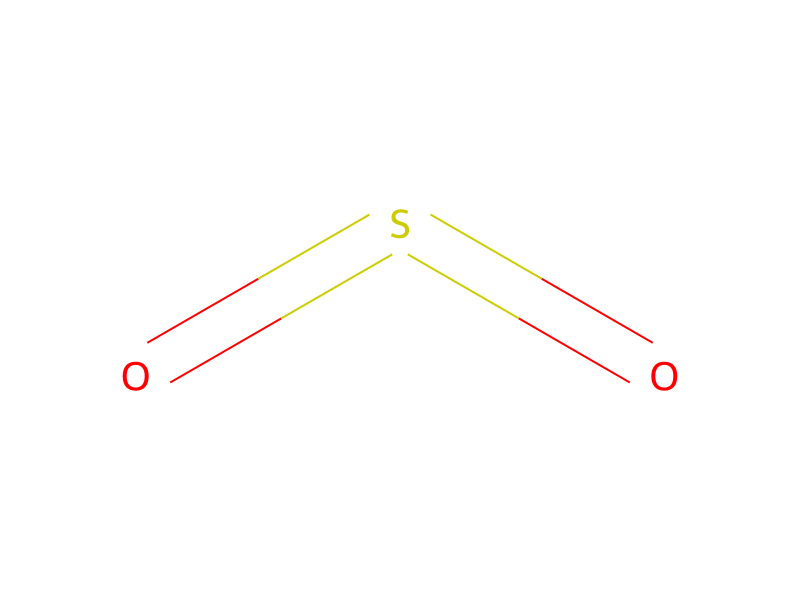
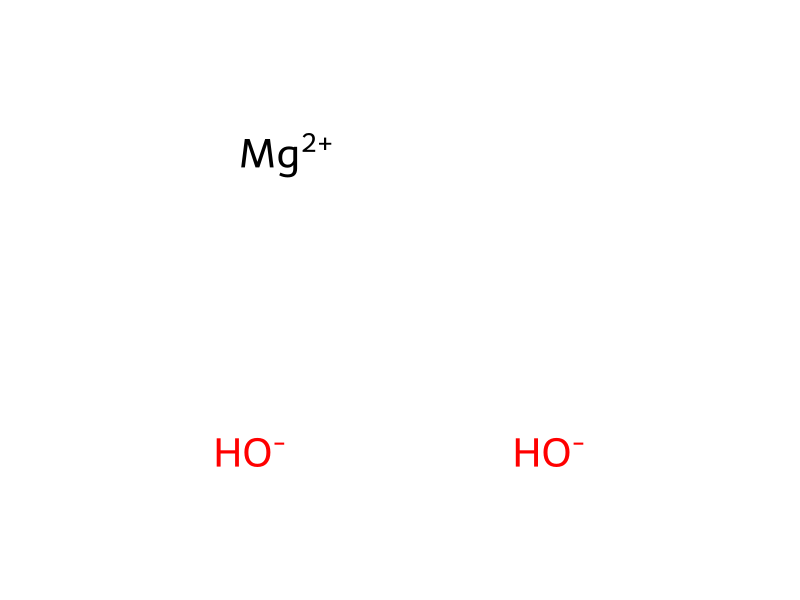
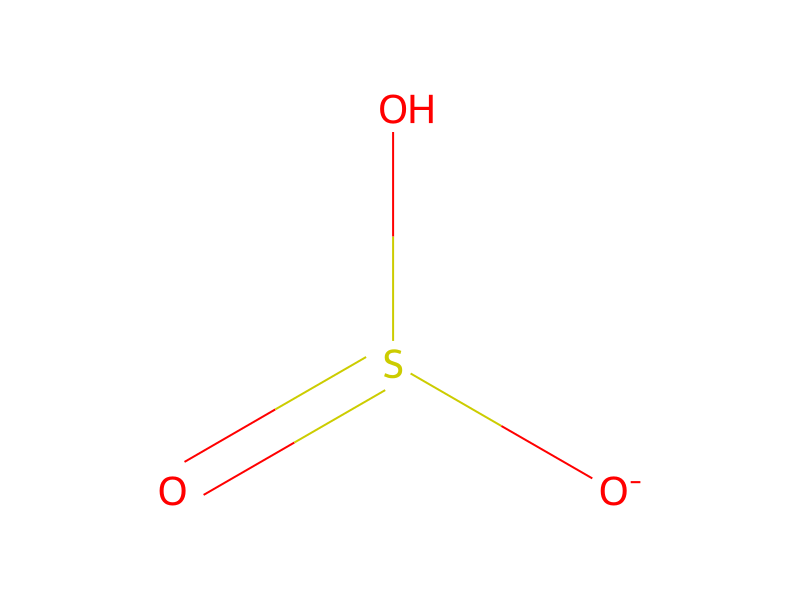
The present invention provides for substantially complete removal of sulfur dioxide (SO2) from SO2 -containing effluent gases, particularly from SO2 -containing flue gas streams of fossil fuel power plants. An absorbent is formed by combining seawater and hydrated lime usually at a pH in the range from 8.0 to 10.0, producing magnesium hydroxide by the reaction of the hydrated lime with soluble magnesium which is naturally present in the seawater as chloride and sulfate. The absorbent is then added to a recirculating absorbent stream, typically at a more acid pH, usually below about 6.0, and the absorbent stream is contacted with the flue gas in a suitable contact vessel. In the contact vessel, the magnesium hydroxide reacts with the SO2 in the flue gas to form magnesium sulfite and bisulfite. The magnesium sulfite and bisulfite, in turn, are oxidized, to soluble magnesium sulfate, typically by air sparging in the contact vessel or a separate tank. Magnesium sulfate reacts with the added hydrated lime to regenerate magnesium hydroxide and produce gypsum. These reaction products are recirculated as a slurry in the scrubber for the removal of SO2 and sulfurous acid without the requirement of separating magnesium hydroxide from the rest of the slurry stream. The gypsum is non-toxic and may safely be returned to the marine environment in soluble form at very low concentrations.
후처리
- additionThe absorbent is then added to a recirculating absorbent stream, typically at a more acid pH, usually below about 6.0
- customthe absorbent stream is contacted with the flue gas in a suitable contact vessel
출처 및 근거
- ORD 기록
- ord-1f649c1fa88b4901b8c0e46a5ba07fc5
- 출처 데이터셋
- uspto-grants-1989_02
- 특허 번호
- US04804523
연결된 노트
불러오는 중…