Z-N-Me-Val-N-Me-Tyr(3-tBu)-NH2 → N-Me-Val-N-Me-Tyr(3-tBu)-NH2
HRID 1383743
반응식

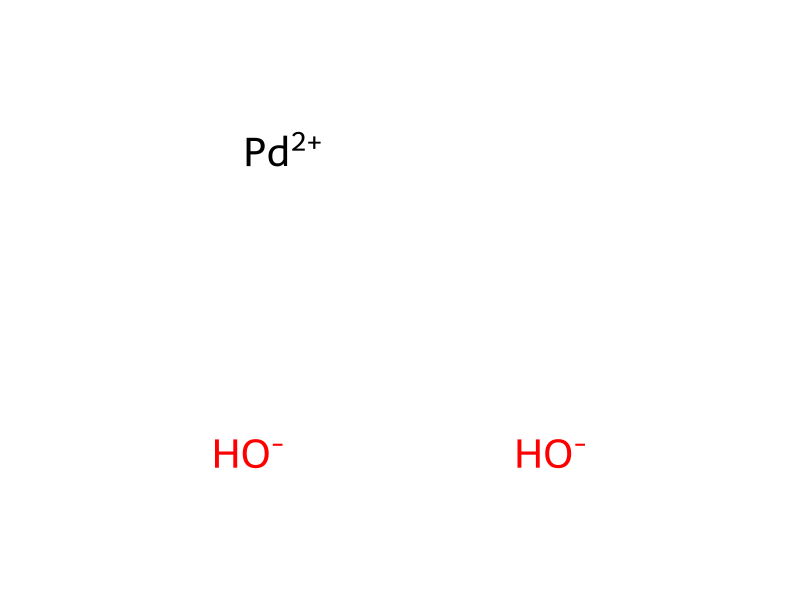
[C:1]([N:11](C)[C@H:12]([C:16]([N:18]([CH3:35])[C@H:19]([C:32]([NH2:34])=[O:33])[CH2:20][C:21]1[CH:26]=[CH:25][C:24]([OH:27])=[C:23]([C:28]([CH3:31])([CH3:30])[CH3:29])[CH:22]=1)=[O:17])[CH:13]([CH3:15])[CH3:14])(OCC1C=CC=CC=1)=O.[H][H]>CO.[OH-].[OH-].[Pd+2]>[NH:11]([CH3:1])[C@H:12]([C:16]([N:18]([CH3:35])[C@H:19]([C:32]([NH2:34])=[O:33])[CH2:20][C:21]1[CH:26]=[CH:25][C:24]([OH:27])=[C:23]([C:28]([CH3:31])([CH3:29])[CH3:30])[CH:22]=1)=[O:17])[CH:13]([CH3:15])[CH3:14]참가 물질
5




실험 절차
A mixture of Z-N-Me-Val-N-Me-Tyr(3-tBu)-NH2 (1.17 g) and 20% palladium hydroxide on carbon (0.24 g) in methanol (20 ml) was stirred at room temperature in a hydrogen atmosphere for 1 hour. The reaction mixture was filtered and washed with methanol. The solvent was distilled off under reduced pressure and the resulting residue was subjected to silica gel column chromatography (eluting solvent consisting of chloroform, methanol and aqueous ammonia at a ratio of 100:10:1) to give N-Me-Val-N-Me-Tyr(3-tBu)-NH2 in the amount of 609 mg (71%).