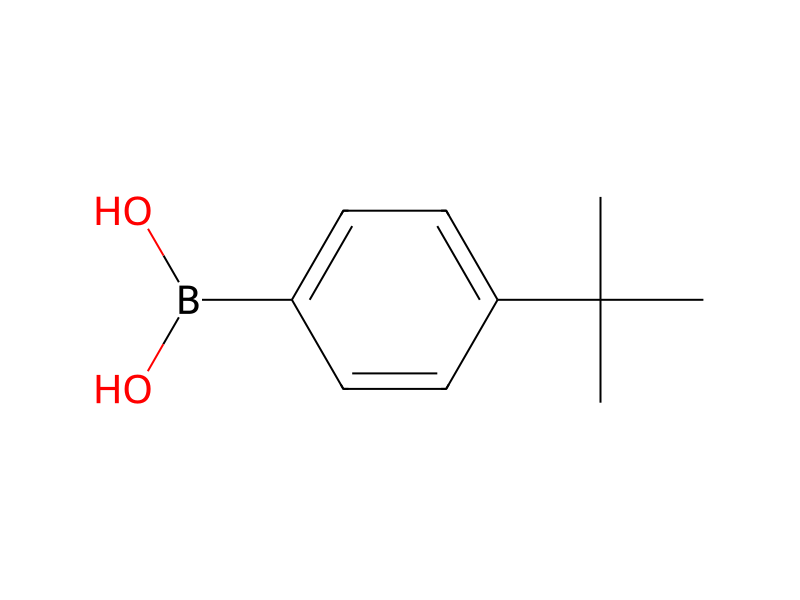
28.0 g of 2-isopropyl-7-chloro-1-indanone, 28.64 g of 4-tert-butylphenylboronic acid, 35.56 g of sodium carbonate, 302 ml of ethylene glycol and 21.6 ml of water are placed in a reaction vessel. The mixture is degassed a number of times by careful application of an oil pump vacuum and subsequent admission of argon, and thus saturated with argon. It is heated to 80° C. and a freshly prepared catalyst solution comprising 60.23 mg of palladium acetate and 1.79 ml of an aqueous TPPTS solution (0.6 molar) in 25 ml of water is then added while stirring vigorously and the reaction mixture is refluxed for 5 hours with further stirring until completely reacted. After cooling to room temperature, 300 ml of water are added. After renewed cooling to room temperature, the ethylene glycol phase is washed 6 times with a total of 900 ml of toluene. The combined toluene phases are washed twice with a total of 250 ml of sodium chloride solution and dried over 150 g of sodium sulfate. Removal of the solvent on a rotary evaporator, drying of the residue and subsequent distillation in an oil pump vacuum gives 40 g (97%) of 2-isopropyl-7-(4′-tert-butylphenyl)-1-indanone as an orange-brown, viscous oil.