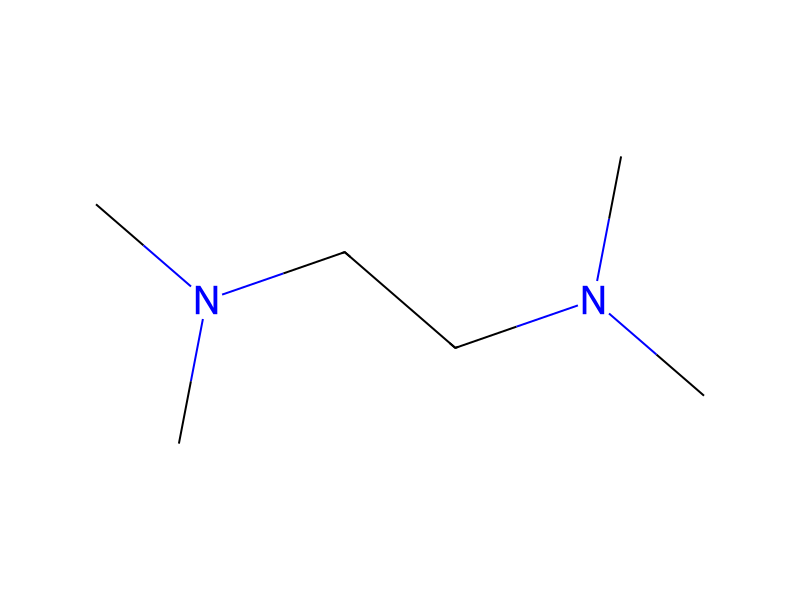
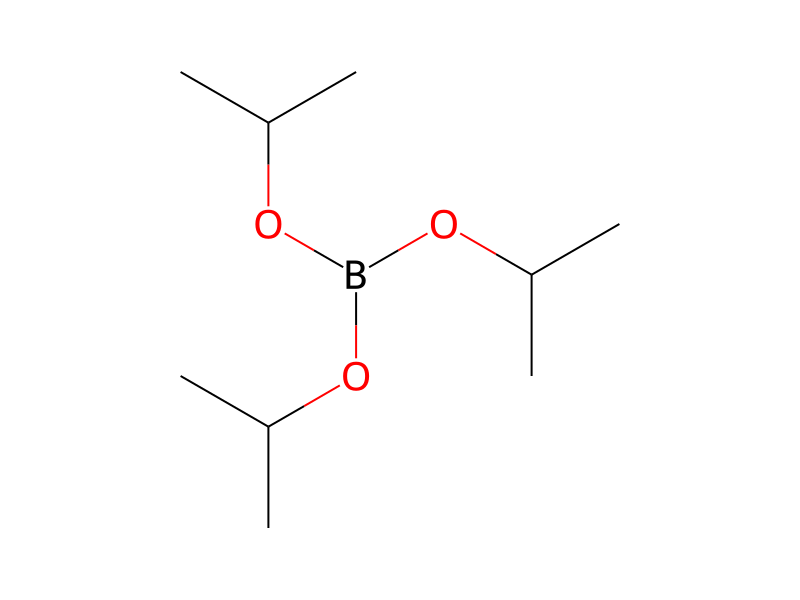
To a solution of 5-fluorobenzofuran (10 g, 73.53 mmol) in dry tetrahydrofuran (250 mL) was added tetramethylethylenediamine (10.2 g, 87.93 mmol). The solution was kept below −60° C. under nitrogen, while BuLi (93.75 mmol, 2.5M solution in hexane) was added dropwise. It was warmed to −10° C. during 45 min and stirred at this temperature for another 30 min. The mixture was cooled again below −60° C. followed by dropwise addition of triisopropyl borate (41.4 g, 220.21 mmol). After warming to room temperature the mixture was quenched with hydrochloric acid (70 mL, 2N) and stirred for 1 h. The alkaline aqueous layer was brought to pH 5 and extracted with ethyl acetate (3×80 mL). All organic layers were combined, dried over sodium sulfate, and concentrated in vacuo to give 5-fluorobenzofuran-2-ylboronic acid (3.5 g, 26%) which was used for the next step without further purification.