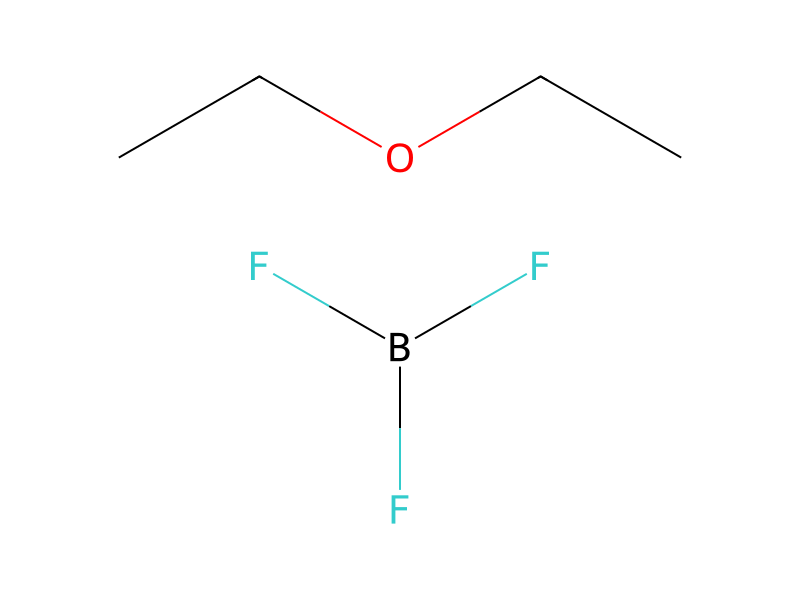
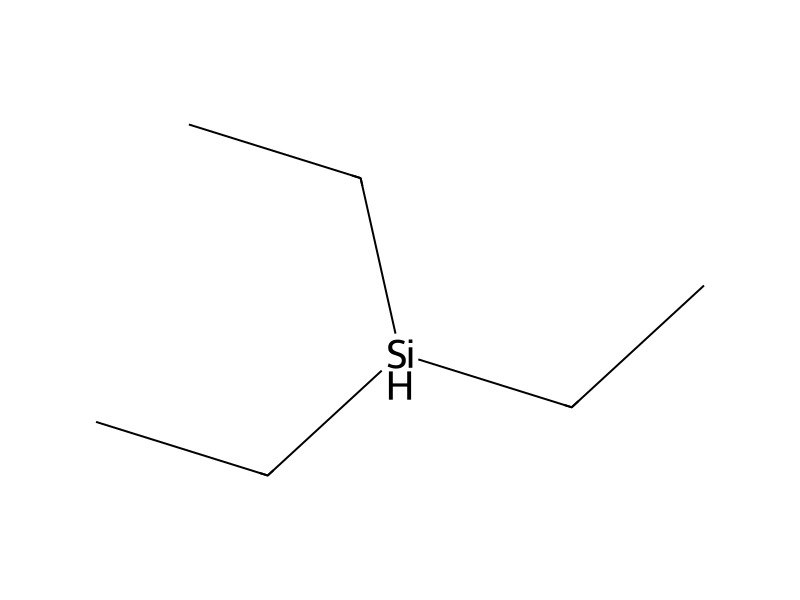
To a stirred −10° C. solution of (5-Bromo-2-chloro-4-methoxyphenyl)(4-ethoxyphenyl)methanone (54.3 mmol) from Step 4 in dichloromethane (150 mL)/acetonitrile (150 mL) was added triethylsilane (20 mL, 109 mmol) followed by boron trifluoride diethyl etherate (16 mL, 109 mmol) at −10° C. The solution was allowed to warm to 0° C. over 2 h prior to quenching with saturated sodium carbonate solution. After removal of organic volatiles under reduced pressure, the residue was partitioned between ethyl acetate and water. Following extraction of the aqueous layer with ethyl acetate, the combined organic layers were washed with water prior to drying over magnesium sulfate. Filtration and concentration under reduced pressure yielded the title compound as a yellowish solid which was used without further purification.