Guaiacol → 4-Methoxy-1-methyl-2-phenoxybenzene
반응식

O[C:2]1[CH:7]=[CH:6][CH:5]=[CH:4][C:3]=1[O:8][CH3:9].Br[C:11]1[CH:16]=[CH:15]C=[CH:13][CH:12]=1.[C:17]([O-:20])([O-])=O.[K+].[K+].N1C=CC=C[CH:24]=1>>[CH3:24][C:6]1[CH:5]=[CH:4][C:3]([O:8][CH3:9])=[CH:2][C:7]=1[O:20][C:17]1[CH:15]=[CH:16][CH:11]=[CH:12][CH:13]=1참가 물질
5


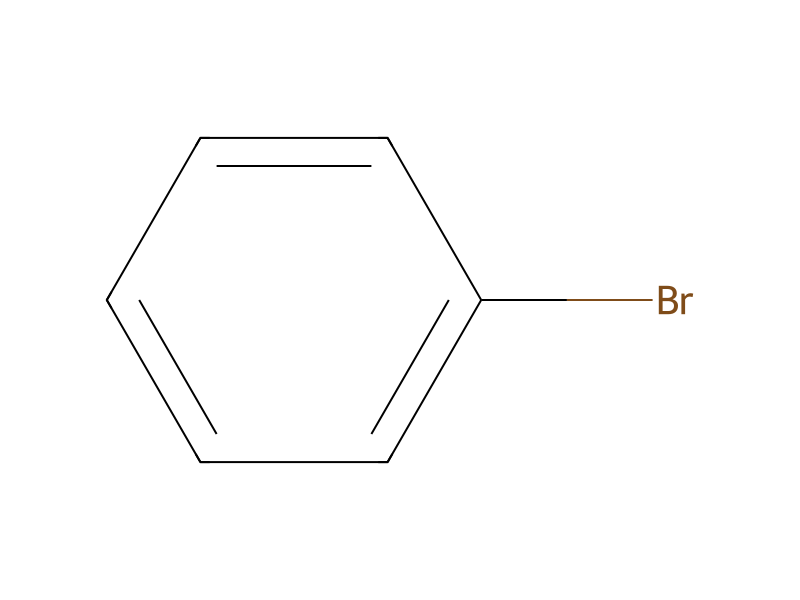


반응 조건
- 온도
- 70 °C
실험 절차
Into 50 mL pyridine, was added 4.14 g (30 mmoles) of the hydroxyanisole prepared above, 3.48 mL (33 mmoles) of bromobenzene, and 4.8 g (60 mmoles) of K2CO3. Under argon, the mixture was heated to 70° C., and 4.8 g (60 mmoles) of powdered CuO was added. The mixture was then heated for 16 hours at reflux with vigorous stirring. Additional CuO (4.8 g,60 mmoles) and bromobenzene (3.5 mL, 60 mmoles) were added, and the reaction mixture was heated 16 hours at reflux. After cooling and filtering, the reaction mixture was evaporated under vacuum. The residue was extracted between EtOAC and cold dilute HCl three times. The organic layer was dried over Na2SO4, filtered and evaporated under vacuum. The product was purified via silica gel flash chromatography (0 to 30% EtOAc in hexane), giving 3.32 g (51.7%) 4-methyl-3-phenoxyanisole as an oil.