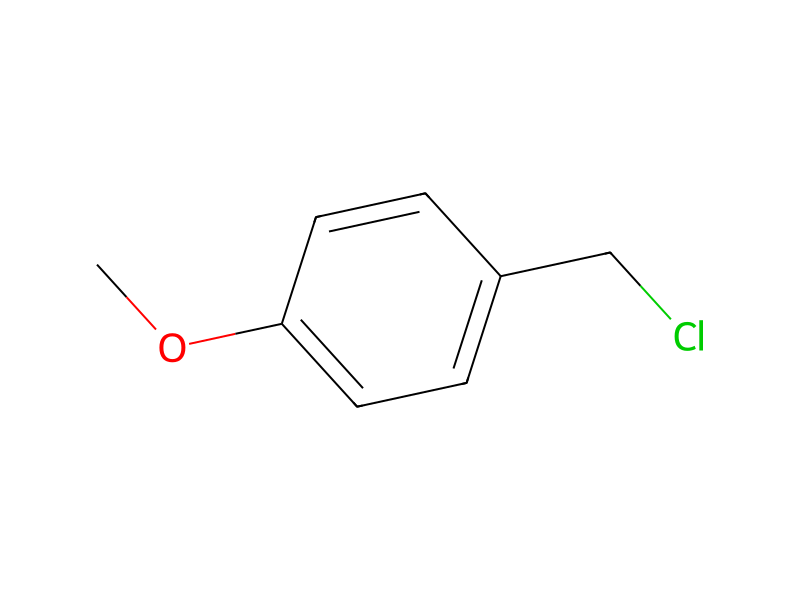
To a screw cap pressure vessel, 7-bromo-4-chloroisoquinolin-1(2H)-one (Ark Chemicals, 2.50 g, 9.67 mmol) was added to a vial followed by cesium carbonate (6.30 g, 19.34 mmol) and DMF (9.67 mL). 1-(chloromethyl)-4-methoxybenzene (1.444 ml, 10.64 mmol) was added, the vial was capped and heated to 50° C. for 1 hours. The reaction was cooled to room temperature and water (20 mL) was added. The reaction was stirred for an additional 1 hour and filtered. The solid was collected and dried under a vacuum to yield 2.25 g of 7-bromo-4-chloro-2-(4-methoxybenzyl)isoquinolin-1(2H)-one as an off white solid. m/z (ESI) 380.1 (M+H)+.