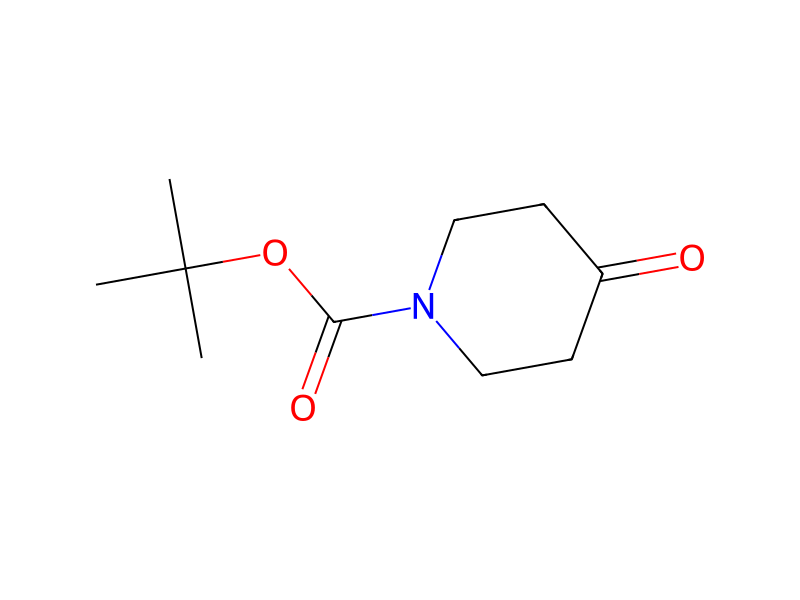
[Cl:1][C:2]1[CH:3]=[C:4]([NH:9][C:10]2[N:14]=[C:13]([NH2:15])[NH:12][N:11]=2)[CH:5]=[C:6]([Cl:8])[CH:7]=1.ClC1C=C(N=C=S)C=C(Cl)C=1C#N.O=[C:30]1[CH2:35][CH2:34][N:33]([C:36]([O:38][C:39]([CH3:42])([CH3:41])[CH3:40])=[O:37])[CH2:32][CH2:31]1.C(O)(=O)C>CO>[C:39]([O:38][C:36]([N:33]1[CH2:34][CH2:35][CH:30]([NH:15][C:13]2[NH:12][N:11]=[C:10]([NH:9][C:4]3[CH:5]=[C:6]([Cl:8])[CH:7]=[C:2]([Cl:1])[CH:3]=3)[N:14]=2)[CH2:31][CH2:32]1)=[O:37])([CH3:42])([CH3:40])[CH3:41]To a stirred solution of N3-(3,5-dichlorophenyl)-1H-1,2,4-triazole-3,5-diamine Intermediate 2 (122 mg, 0.5 mmol) in 10 ml of methanol, tert-butyl 4-oxopiperidine-1-carboxylate (102 mg, 0.512 mmol), was added acetic acid (0.05 mL). The mixture was stirred at rt for 15 min, after which picolineborane (112 mg, 1.047 mmol) was added. The mixture was stirred at rt overnight. LCMS indicated 87% product and 13% SM. Additional picolineborane (50 mg, 0.467 mmol) was added and the mixture was stirred for an additional 24 hours. The solvent was removed under reduced pressure and the residue was dissolved in methylene chloride and treated with saturated sodium bicarbonate to pH=9. The organic layer was separated and the aqueous layer was extracted with methylene chloride (3×10 mL). The solvent was reduced to about 4 mL and the residue was loaded onto a silica gel column. Eluting with 5% methanol/methylene chloride gave 188 mg (88%) of desired product as white solid. MS +m/z: 427.0 (M+H)+