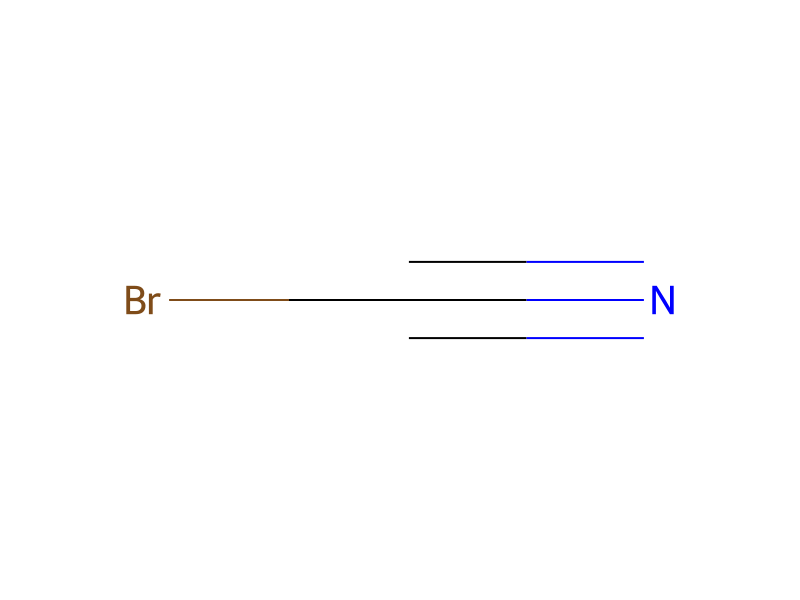
Cyanogen bromide (0.9 g, 0.0083 mole) is added to a solution of 3,5-bis(1,1-dimethylethyl)-4-hydroxybenzoic acid, hydrazide (2.2 g, 0.0083 mole) and sodium bicarbonate (0.7 g, 0.0083 mole) in dioxane (10 ml)/water (10 ml). The resulting mixture is stirred two hours at room temperature. The solution is concentrated to half volume in vacuo and the residue diluted with water. The resulting solid is filtered and recrystallized from ethyl acetate/hexane to give 1.5 g (2.4 g theor., 58%) of 4-(5-amino-1,3,4-oxadiazol-2-yl)-2,6-bis(1,1-dimethylethyl)-phenol after drying in vacuo at room temperature, mp 244°-245° C.