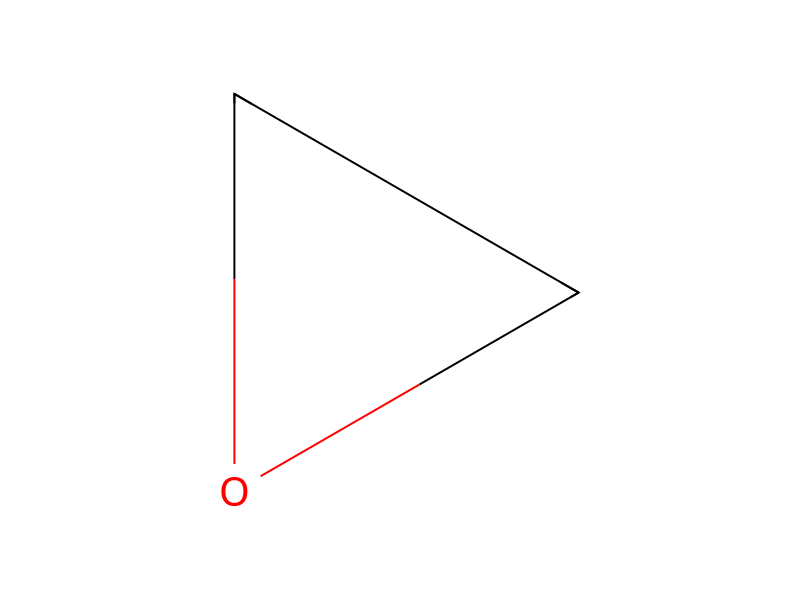
To N-pivaloylanisidine (4.14 g, 0.02 mole) in freshly distilled THF (60 ml) under nitrogen is added 2.3 N butyllithium in hexane (23 ml) at 0° C. and the resultant solution is stirred at 0° C. for 2 hours. Ethylene oxide (liquid, 1.6 ml) is added and the reaction mixture is stirred for an hour at 0° C. and then an additional hour at ambient temperature. Acetic acid (2 ml) and water (30 ml) are added to quench the reaction. The THF is evaporated in vacuo and the aqueous mixture is extracted with ether (2×30 ml). The extracts are combined, washed with 5% sodium bicarbonate solution, brine, dried over sodium sulfate and concentrated to 5.42 g of crystalline material. Recrystallization from n-butyl chloride (13 ml) gives 3.46 g (69%) of 2-(2-hydroxyethyl)-3-pivalamidoanisole, m.p. 118°-119.5° C.