홈MCP워크벤치Skills
홈워크벤치알림마이페이지
llms.txt · MCP 가이드개인정보처리방침 · 이용약관 · 지원v1.8.3
  1. 홈
  2. /반응

Benzene → Caprolactone acrylate

HRID 1583916
인쇄

반응식

HRID 1583916 반응식
[C:1]([OH:5])(=[O:4])[CH:2]=[CH2:3].C1C=CC=CC=1.S(=O)(=O)(O)[OH:13].[C:17]1([CH:24]=[CH:23][C:21]([OH:22])=[CH:20][CH:19]=1)O>O>[C:1]([OH:5])(=[O:4])[CH:2]=[CH2:3].[C:21]1(=[O:22])[O:13][CH2:20][CH2:19][CH2:17][CH2:24][CH2:23]1
참가 물질반응 조건실험 절차후처리출처 및 근거반응 노트

참가 물질

6

반응물 4

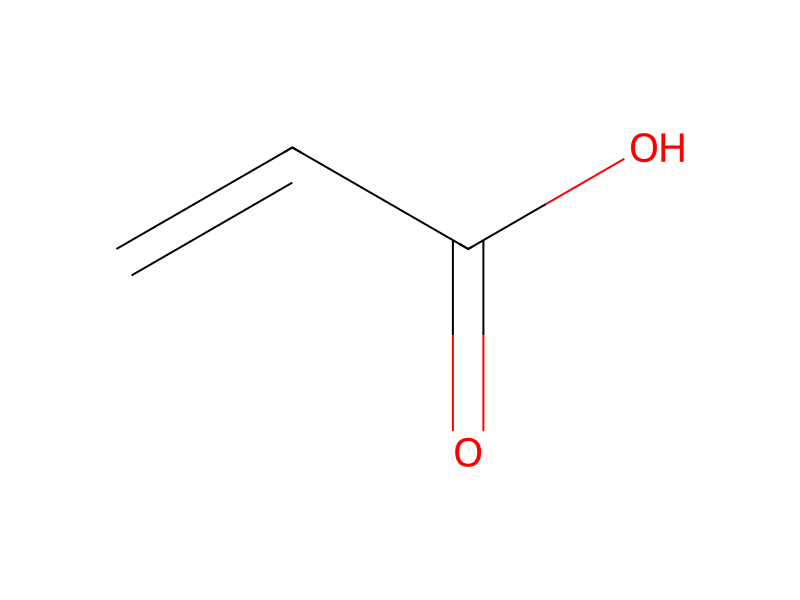
HCID 241BenzeneHCID 785HydroquinoneHCID 1118Sulfuric AcidHCID 6581Acrylic Acid

생성물 1

HCID 66599592Caprolactone acrylate수율 60%

시약·촉매·용매 1

HCID 962Water용매

반응 조건

온도
85 °C

실험 절차

A 2000 ml glass reaction flask was equipped with a stirrer, thermometer and condenser, Dean-Stock trap air inlet and heating mantle and used as the reaction vessel. 300 grams of a trihydroxyfunctional polycaprolactone polyol with an average hydroxyl number of 310 and an average molecular weight of 540 (TONE-0305 obtained from Union Carbide Corporation), 88.4 g. of glacial acrylic acid, 150 ml. of benzene, 5 ml. of concentrated sulfuric acid and 5 g. of hydroquinone were added to the reaction flask at room temperature. The contents of the flask were then heated to about 85° C. over a period of one hour and maintained at reflux at atmospheric pressure until no further water was produced (about 4.5 hours). During the reaction, air was continually bubbled through the reaction. The reaction mixture was cooled to about 60° C. in a separatory funnel and about 50 ml of benzene added. Then, about 200 g of a 15 percent aqueous sodium hydroxide solution was dripped through the separatory funnel. A second aliquot of 200 g of a 15 percent aqueous sodium hydroxide solution was added and then the contents shaken. Excess acid and hydroquinone inhibitor were washed out by shaking the solution three times with 50 g of a 15 percent aqueous sodium hydroxide solution. After the contents settled, 10 g of magnesium sulfate was added while stirring to remove any remaining water, then the contents filtered to remove the magnesium sulfate. 100 parts per million of methylethyl hydroquinone based on the final product was added and the contents were then stripped of solvent. A 60 to 70% yield was obtained. The product had a viscosity of 250 centipoise.

후처리

  1. customwas equipped with a stirrer
  2. temperaturethermometer and condenser, Dean-Stock trap air inlet and heating mantle
  3. temperaturemaintained
  4. customwas produced (about 4.5 hours)
  5. customDuring the reaction, air
  6. customwas continually bubbled through the reaction
  7. temperatureThe reaction mixture was cooled to about 60° C. in a separatory funnel
  8. additionabout 50 ml of benzene added
  9. additionA second aliquot of 200 g of a 15 percent aqueous sodium hydroxide solution was added
  10. washExcess acid and hydroquinone inhibitor were washed out
  11. stirringby shaking the solution three times with 50 g of a 15 percent aqueous sodium hydroxide solution
  12. addition10 g of magnesium sulfate was added
  13. stirringwhile stirring
  14. customto remove any remaining water
  15. filtrationthe contents filtered
  16. customto remove the magnesium sulfate
  17. additionwas added
  18. customA 60 to 70% yield was obtained

출처 및 근거

ORD 기록
ord-a764afc790534d1ca12c1ff30a88564c
출처 데이터셋
uspto-grants-1985_11
DOI
10.6084/m9.figshare.5104873.v1
특허 번호
US04555449

반응 노트

이 페이지에서참가 물질반응 조건실험 절차후처리출처 및 근거반응 노트