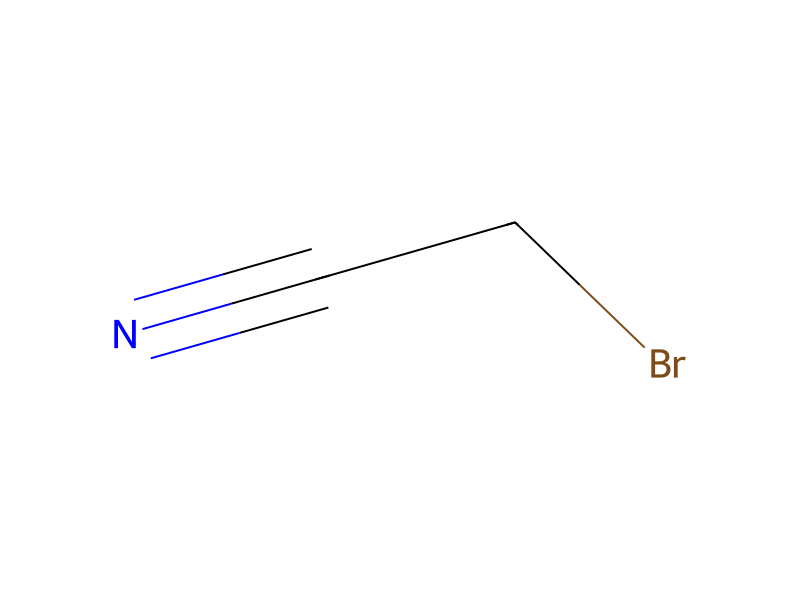
4.52 g of 3-chloro-2-(4-chloro-2-fluoro-5-hydroxyphenyl)-4,5,6,7-tetrahydroindazole in 10 ml of diethyl ketone were added dropwise at approximately 20° C. to a suspension of 2.07 g of potassium carbonate and 2.49 g of potassium iodide in 150 ml of diethyl ketone. The reaction mixture was subsequently treated with 1.86 g of bromoacetonitrile in 10 ml of diethyl ketone. After the mixture had been refluxed for 10 hours, it was cooled, and the solvent was then removed. The residue was taken up in water, whereupon the solids formed were removed, washed with water and finally dried under reduced pressure at approximately 20° C. Yield: 3.20 g