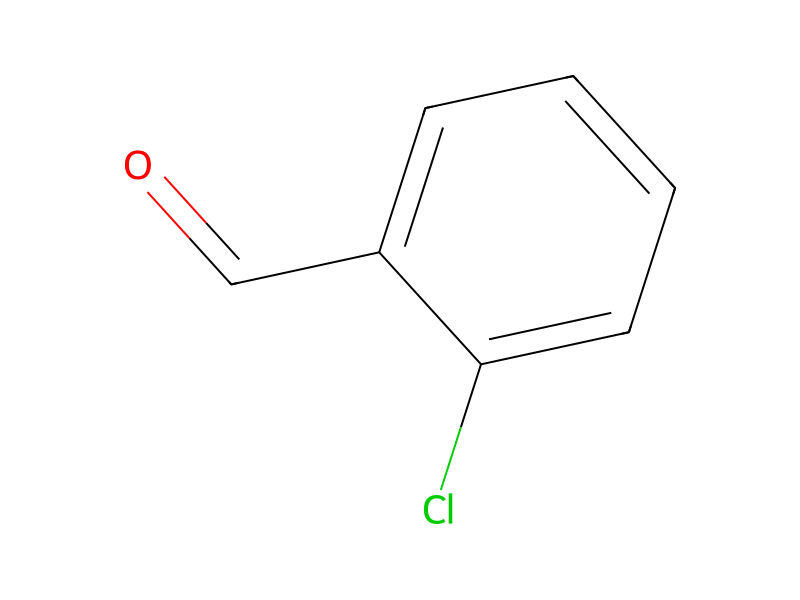
2-Chlorobenzaldehyde → 3-O-ethyl 5-O-methyl 2-(2-azidoethoxymethyl)-4-(2-chlorophenyl)-6-methyl-1,4-dihydropyridine-3,5-dicarboxylate
반응식

[N:1]([CH2:4][CH2:5][O:6][CH2:7][C:8](=O)[CH2:9][C:10]([O:12][CH2:13][CH3:14])=[O:11])=[N+:2]=[N-:3].N(CCO)=[N+]=[N-].[NH2:22]/[C:23](/[CH3:29])=[CH:24]\[C:25]([O:27][CH3:28])=[O:26].[Cl:30][C:31]1[CH:38]=[CH:37][CH:36]=[CH:35][C:32]=1[CH:33]=O>CO>[N:1]([CH2:4][CH2:5][O:6][CH2:7][C:8]1[NH:22][C:23]([CH3:29])=[C:24]([C:25]([O:27][CH3:28])=[O:26])[CH:33]([C:32]2[CH:35]=[CH:36][CH:37]=[CH:38][C:31]=2[Cl:30])[C:9]=1[C:10]([O:12][CH2:13][CH3:14])=[O:11])=[N+:2]=[N-:3]