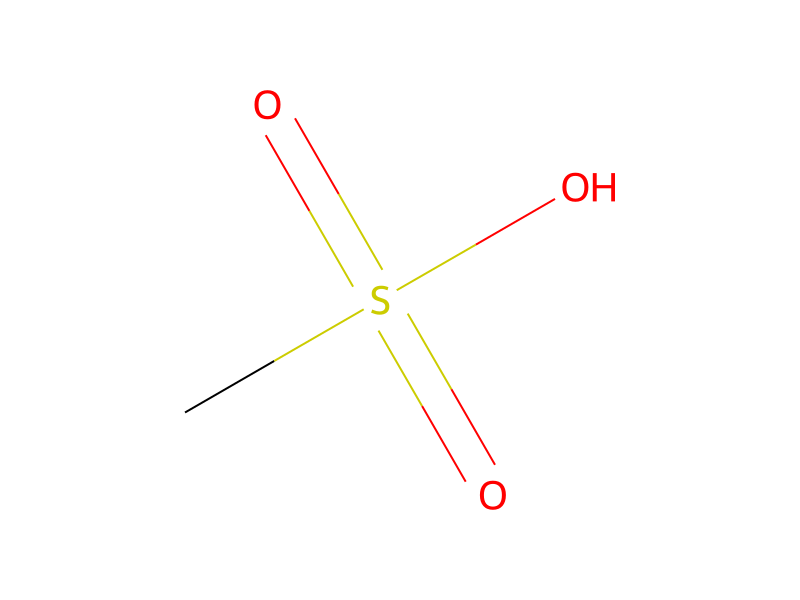
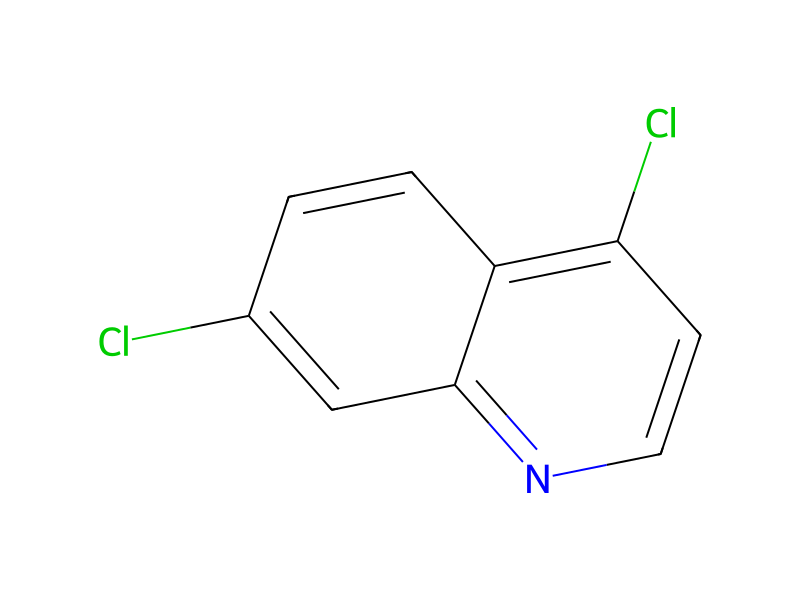
[C@H:1]1([NH2:8])[CH2:6][CH2:5][CH2:4][C@@H:3]([NH2:7])[CH2:2]1.Cl[C:10]1[C:19]2[C:14](=[CH:15][C:16]([Cl:20])=[CH:17][CH:18]=2)[N:13]=[CH:12][CH:11]=1.CS(O)(=O)=O>CN1CCCC1=O.C(#N)C>[Cl:20][C:16]1[CH:15]=[C:14]2[C:19]([C:10]([NH:7][C@H:3]3[CH2:4][CH2:5][CH2:6][C@@H:1]([NH:8][C:10]4[C:19]5[C:14](=[CH:15][C:16]([Cl:20])=[CH:17][CH:18]=5)[N:13]=[CH:12][CH:11]=4)[CH2:2]3)=[CH:11][CH:12]=[N:13]2)=[CH:18][CH:17]=123.2 g of cis-cyclohexane-1,3-diamine and 80.5 g of 4,7-dichloroquinoline are reacted at 150° C. in 400 ml of N-methyl-2-pyrrolidone under argon for 24 hours. After cooling insoluble material is filtered off and the filtrate is treated with 600 ml of water. The separated crude product is introduced into 400 ml of water and 100 ml of glacial acetic acid. The mixture is extracted three times with 200 ml of ethyl acetate each time and then adjusted to pH 12 by the addition of 600 ml of 2N NaOH. The separated crystalline diamine is recrystallized from 270 ml of dimethylformamide, 20.1 g of pure product being obtained. This is converted into the dimethanesulphonate in 200 ml of boiling acetonitrile with 6.4 ml of methanesulphonic acid. 19.5 g of colourless crystalline salt, m.p.:>250° C., are obtained.