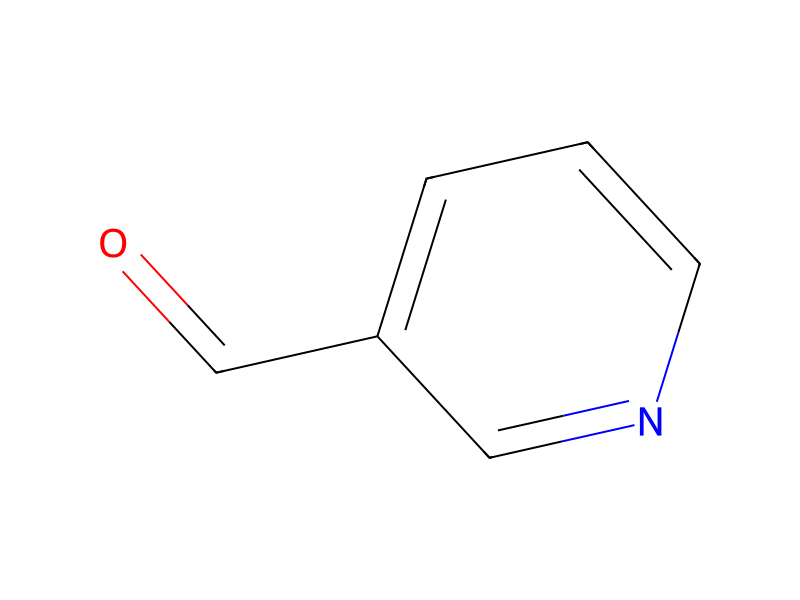
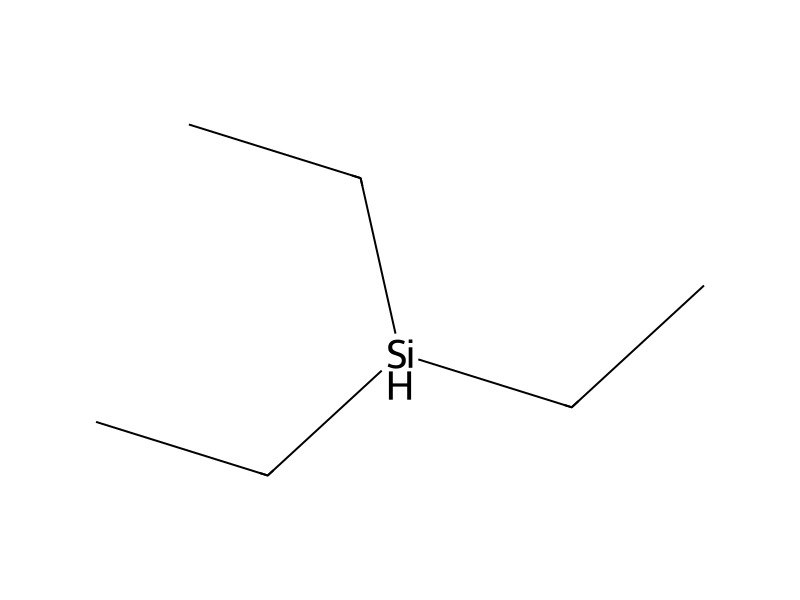
A solution of benzyl (E)-3-[2-methyl-1H-indol-4-yl]-2-propenoate (4.75 g) and pyridine-3-carboxaldehyde (2.10 g) in dry dichloromethane (45 ml) was added dropwise to a stirred solution of triethylsilane (7.82 ml) in trifluoroacetic acid (40 ml) at 0° C. The solution was stirred, allowing the temperature to rise to room temperature, for 45 minutes and then evaporated. The residue was partitioned between dichloromethane and dilute aqueous ammonia solution. The aqueous layer was extracted with dichloromethane, and the combined organic layers were washed with water and dried (MgSO4). The solvent was evaporated and the residue was chromatographed on silica gel. Elution with dichloromethane gave impurity,and further elution with dichloromethane/methanol (19:1) gave pure product.The product fractions were evaporated and the residue was triturated with ether to give the title compound (2.19 g), m.p. 180°-182° C., Rf. 0.35(SS1).