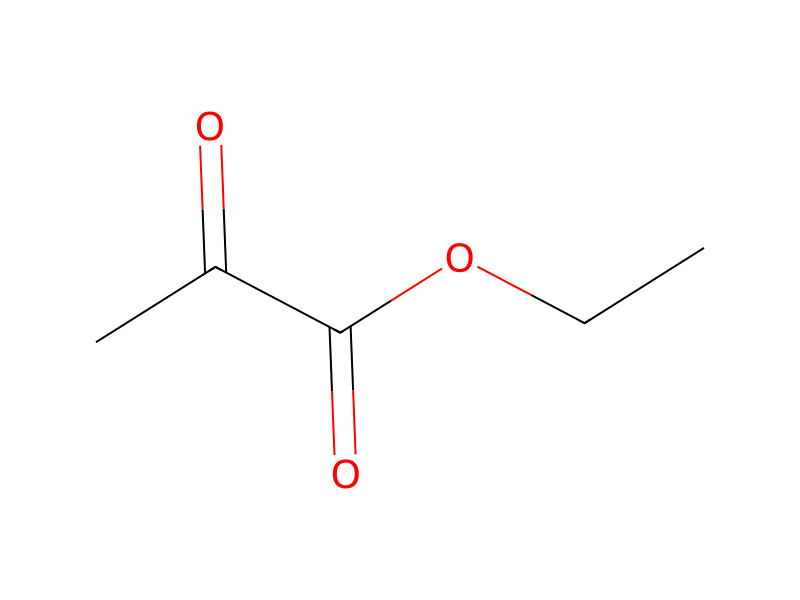
Sulfuric Acid → Ethyl 2-[2-(3,5-dichlorophenyl)hydrazinylidene]propanoate
HRID 1602363
반응식

[Cl:1][C:2]1[CH:3]=[C:4]([NH:9][NH2:10])[CH:5]=[C:6]([Cl:8])[CH:7]=1.[C:11]([O:16][CH2:17][CH3:18])(=[O:15])[C:12]([CH3:14])=O.S(=O)(=O)(O)O.C(=O)(O)[O-].[Na+]>O.C(OCC)(=O)C.C(O)C>[Cl:1][C:2]1[CH:3]=[C:4]([NH:9][N:10]=[C:12]([CH3:14])[C:11]([O:16][CH2:17][CH3:18])=[O:15])[CH:5]=[C:6]([Cl:8])[CH:7]=1