2,10-Epoxypinane → Perillyl acetate
HRID 1604757
반응식

[CH3:1][C:2]([C@@H:4]1[CH2:9][CH:8]=[C:7]([CH2:10][OH:11])[CH2:6][CH2:5]1)=[CH2:3].[CH3:12][C:13]1([CH3:22])[CH:18]2[CH2:19][CH:14]1[CH2:15][CH2:16][C:17]12[O:21][CH2:20]1>>[CH3:3][C:2]([CH:4]1[CH2:5][CH:6]=[C:7]([CH2:10][O:11][C:20]([CH3:17])=[O:21])[CH2:8][CH2:9]1)=[CH2:1].[CH3:12][C:13]1([CH3:22])[CH:18]2[CH2:19][CH:14]1[CH2:15][CH2:16][C:17]12[O:21][CH2:20]1참가 물질
4
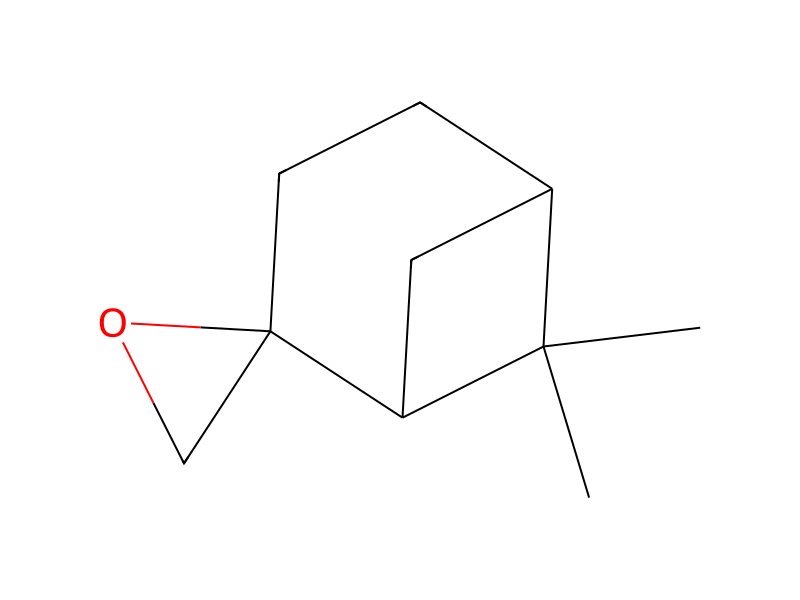


실험 절차
Among other routes that have been developed to prepare perillyl alcohol from beta pinene oxide is that reported by T. K. Keenan in 1966 who produced perillyl acetate from beta-pinene oxide by refluxing beta-pinene oxide with acetic anhydride and acetic acid for seven hours followed by removal of the acetate to afford a nine percent (9%) yield of perillyl alcohol based on the starting beta-pinene oxide (B.S. Thesis Mass. Institute of Tech.). The applicants found the process to be reproducible albeit in low yield. F. C. Delay in Swiss Patent 5671/84 reported the production of perillyl alcohol in which he treated beta-pinene oxide with nitromethane and ammonium nitrite at a temperature between 20° C. and 90° C. in an overall yield of thirty percent (30%). Two years later Wang and co-workers published in Tetrahedron 1986, 620-638 complete details of this procedure and reported an overall yield of sixty-eight percent (68%) perillyl alcohol.