홈MCP워크벤치Skills
홈워크벤치알림마이페이지
llms.txt · MCP 가이드개인정보처리방침 · 이용약관 · 지원v1.8.0
  1. 홈
  2. /반응

2,2-Dimethoxypropane → HCID 22854594, 화합물

HRID 1647562
노트
인쇄 미리보기

반응식

HRID 1647562 반응식
[C:1]([NH:16][C@@H:17]1[C@@H:46]([OH:47])[C@H:45]([OH:48])[C@@H:44]([CH2:49][OH:50])[O:43][C@@H:18]1[O:19][CH:20]([CH2:32][C:33]([O:35][CH2:36][C:37]1[CH:42]=[CH:41][CH:40]=[CH:39][CH:38]=1)=[O:34])[CH2:21][C:22]([O:24][CH2:25][C:26]1[CH:31]=[CH:30][CH:29]=[CH:28][CH:27]=1)=[O:23])(=[O:15])[CH2:2][CH2:3][CH2:4][CH2:5][CH2:6][CH2:7][CH2:8][CH2:9][CH2:10][CH2:11][CH2:12][CH2:13][CH3:14].C[O:52][C:53]([O:56]C)(C)C.[C:58]12([CH2:68]S(O)(=O)=O)C(C)(C)[CH:62]([CH2:63][CH2:64]1)[CH2:61][C:59]2=O.C(=O)([O-])[O-].[K+].[K+]>C(Cl)Cl>[CH2:68]([O:56][C:53]([O:47][C@H:46]1[C@H:45]([OH:48])[C@@H:44]([CH2:49][OH:50])[O:43][C@H:18]([O:19][CH:20]([CH2:21][C:22]([O:24][CH2:25][C:26]2[CH:27]=[CH:28][CH:29]=[CH:30][CH:31]=2)=[O:23])[CH2:32][C:33]([O:35][CH2:36][C:37]2[CH:38]=[CH:39][CH:40]=[CH:41][CH:42]=2)=[O:34])[C@@H:17]1[NH:16][C:1](=[O:15])[CH2:2][CH2:3][CH2:4][CH2:5][CH2:6][CH2:7][CH2:8][CH2:9][CH2:10][CH2:11][CH2:12][CH2:13][CH3:14])=[O:52])[C:58]1[CH:64]=[CH:63][CH:62]=[CH:61][CH:59]=1
참가 물질실험 절차후처리출처 및 근거반응 노트

참가 물질

6

반응물 4

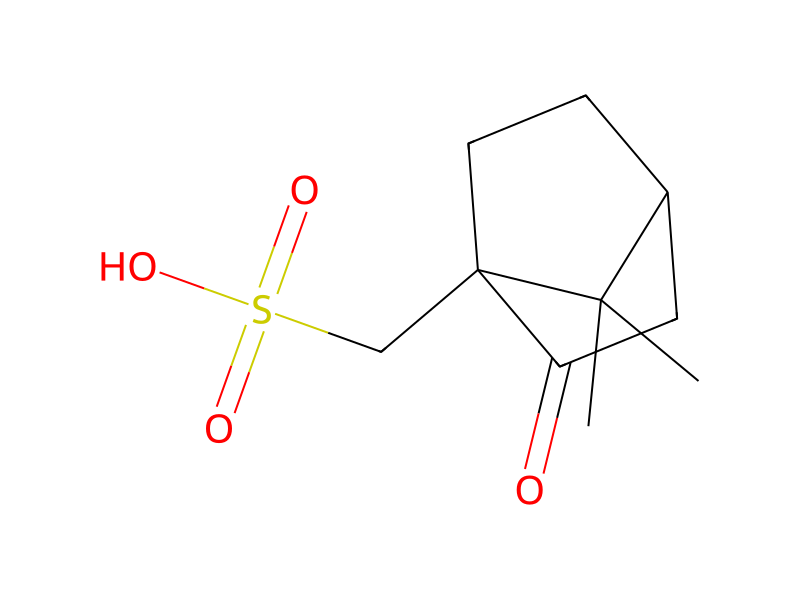
HCID 64952,2-Dimethoxypropane2회HCID 11430Potassium CarbonateHCID 18462Bicyclo[2.2.1]heptane-1-methanesulfonic acid, 7,7-dimethyl-2-oxo-, (1S)-2회HCID 15125697HCID 15125697, 화합물

생성물 1

HCID 22854594HCID 22854594, 화합물

시약·촉매·용매 1

HCID 6344
Dichloromethane
용매

실험 절차

In 15 ml of dried methylene chloride was dissolved 2.32 g of 2-benzyloxycarbonyl-1-(benzyloxycarbonylmethyl)ethyl 2-deoxy-2-tetradecanoylamino-α-D-glucopyranoside, and 2.04 ml of 2,2-dimethoxypropane and 38 mg of camphorsulfonic acid were added thereto at room temperature, followed by stirring at room temperature for 15 hours. Further, 20 mg of camphorsulfonic acid and 2.04 ml of 2,2-dimethoxypropane were added thereto, and the stirring was continued for an additional period of 8 hours. The reaction mixture was neutralized with anhydrous potassium carbonate while stirring, washed successively with water and a saturated sodium chloride aqueous solution, and dried over anhydrous sodium sulfate. The solvent was removed by distillation under reduced pressure. The resulting yellow oily substance was dissolved in 20 ml of dried methylene chloride, and 0.40 ml of pyridine, 0.61 g of N,N-dimethylaminopyridine, and 0.71 ml of benzyloxycarbonyl chloride were successively added thereto at room temperature, followed by stirring at room temperature for 12 hours. The reaction mixture was washed successively with 1N hydrochloric acid, water, and a saturated sodium chloride aqueous solution, and dried over anhydrous sodium sulfate. The solvent was removed by distillation under reduced pressure. The resulting yellow oily substance was dissolved in 50 ml of a 90% acetic acid aqueous solution, and the solution was stirred at 90° C. for 30 minutes. After cooling, the solvent was removed by distillation under reduced pressure. Toluene was added to the residue and then removed by distillation under reduced pressure. Toluene addition and removal were repeated, and the resulting residue was purified by silica gel column chromatography (developing solvent: 5% acetone-containing chloroform, changed en route to 2% methanol-containing chloroform) to obtain a pale yellow oily substance. Recrystallization from hexane followed by filtration gave 2.42 g of the titled compound as a white solid. This solid could be recrystallized from hexane.

후처리

  1. additionwere added
  2. customat room temperature
  3. waitthe stirring was continued for an additional period of 8 hours
  4. stirringwhile stirring
  5. washwashed successively with water
  6. dry with materiala saturated sodium chloride aqueous solution, and dried over anhydrous sodium sulfate
  7. customThe solvent was removed by distillation under reduced pressure
  8. dissolutionThe resulting yellow oily substance was dissolved in 20 ml of dried methylene chloride
  9. addition0.40 ml of pyridine, 0.61 g of N,N-dimethylaminopyridine, and 0.71 ml of benzyloxycarbonyl chloride were successively added
  10. customat room temperature
  11. stirringby stirring at room temperature for 12 hours
  12. washThe reaction mixture was washed successively with 1N hydrochloric acid, water
  13. dry with materiala saturated sodium chloride aqueous solution, and dried over anhydrous sodium sulfate
  14. customThe solvent was removed by distillation under reduced pressure
  15. dissolutionThe resulting yellow oily substance was dissolved in 50 ml of a 90% acetic acid aqueous solution
  16. stirringthe solution was stirred at 90° C. for 30 minutes
  17. temperatureAfter cooling
  18. customthe solvent was removed by distillation under reduced pressure
  19. additionToluene was added to the residue
  20. customremoved by distillation under reduced pressure
  21. additionToluene addition and removal
  22. customthe resulting residue was purified by silica gel column chromatography (developing solvent: 5% acetone-containing chloroform, changed en route to 2% methanol-containing chloroform)
  23. customto obtain a pale yellow oily substance
  24. customRecrystallization from hexane
  25. filtrationfollowed by filtration

출처 및 근거

ORD 기록
ord-16ac52d08d8e41ffba74647e2b44b4fc
출처 데이터셋
uspto-grants-1995_07
DOI
10.6084/m9.figshare.5104873.v1
특허 번호
US05432267

반응 노트

불러오는 중…

이 페이지에서참가 물질실험 절차후처리출처 및 근거반응 노트