Validoxylamine G → Valiolamine
HRID 1650322
반응식

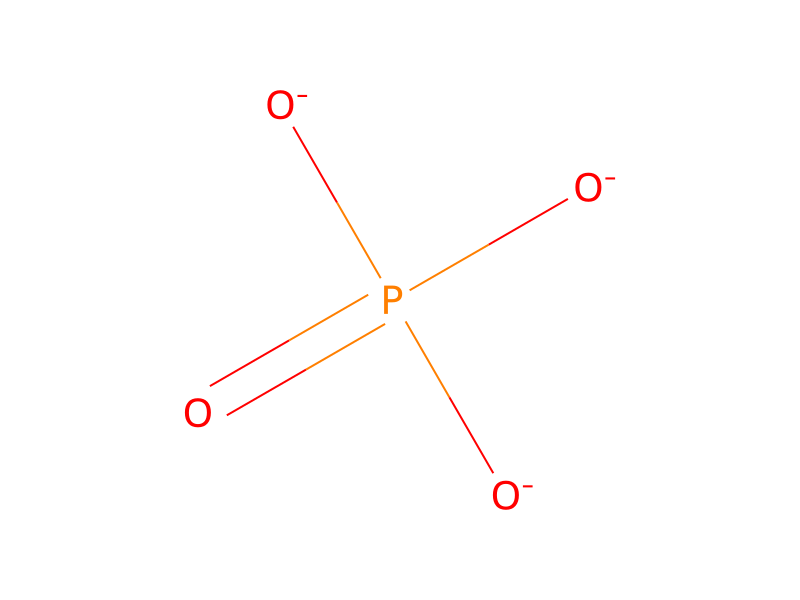
[CH2:1]1[C:6]([OH:9])([CH2:7][OH:8])[CH:5]([OH:10])[CH:4]([OH:11])[CH:3]([OH:12])[CH:2]1[NH:13]C1C(O)C(O)C(O)C(CO)=C1>P([O-])([O-])([O-])=O>[CH2:1]1[C@:6]([OH:9])([CH2:7][OH:8])[C@@H:5]([OH:10])[C@H:4]([OH:11])[C@@H:3]([OH:12])[C@H:2]1[NH2:13]참가 물질
3


시약·촉매·용매 1
실험 절차
Validoxylamine G (100 mg) was dissolved in 0.05 M phosphate buffer (pH 7.0) (20 mL) and wet cells of Flavobacterium saccharophilum IFO 13984 (about 2 g) were added to the solution, followed by incubation at 27° C. for 24 hours with stirring. The reaction mixture was centrifuged for removal of cells, and the supernatant was adsorbed onto a column (50 mL) of Amberlite IRC-50 (NH4+ form, manufactured by Rohm & Haas Co.), followed by washing with water and elution aqueous ammonia. The eluate was concentrated to dryness under reduced pressure, and the residue was adsorbed again onto a column (50 mL) of Amberlite IRC-50 (NH4+ form) and eluted with 0.1N aqueous ammonia. In succession to the fractions containing valienamine (eluate fractions 120-140 mL), the fractions containing valiolamine were eluted (eluate fractions 340-430 mL). The fractions containing valiolamine were concentrated to dryness under reduced pressure, and the residue was submitted to column chromatography on Dowex 1× 2 (OH- form, manufactured by Dow Chemicals Co.; 2 mL) followed by concentration of the eluate to dryness under reduced pressure, to give white powders of valiolamine (35 mg).