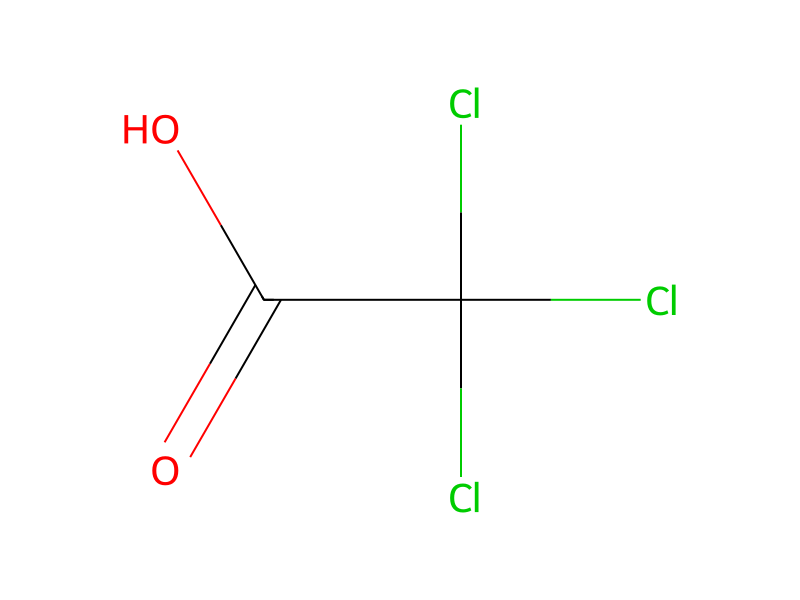
Trichloroacetic Acid → 2-[2-(bis-(2-chloroethyl)-amino)-6-methyl-2-oxo-tetrahydro-2H-1,3,2-oxazaphosphorin-4-yl-thio]-ethanesulphonic acid cyclohexylammonium salt
HRID 1651522
반응식

[Cl:1][CH2:2][CH2:3][N:4]([CH2:14][CH2:15][Cl:16])[P:5]1(=[O:13])[NH:10][CH:9](O)[CH2:8][CH:7]([CH3:12])[O:6]1.[CH:17]1([NH3+:23])[CH2:22][CH2:21][CH2:20][CH2:19][CH2:18]1.[SH:24][CH2:25][CH2:26][S:27]([O-:30])(=[O:29])=[O:28].ClC(Cl)(Cl)C(O)=O>O.CC(C)=O>[CH:17]1([NH3+:23])[CH2:22][CH2:21][CH2:20][CH2:19][CH2:18]1.[Cl:1][CH2:2][CH2:3][N:4]([CH2:14][CH2:15][Cl:16])[P:5]1(=[O:13])[NH:10][CH:9]([S:24][CH2:25][CH2:26][S:27]([O-:30])(=[O:29])=[O:28])[CH2:8][CH:7]([CH3:12])[O:6]1참가 물질
6